Origami Linux Debuts COSMIC On Immutable Fedora
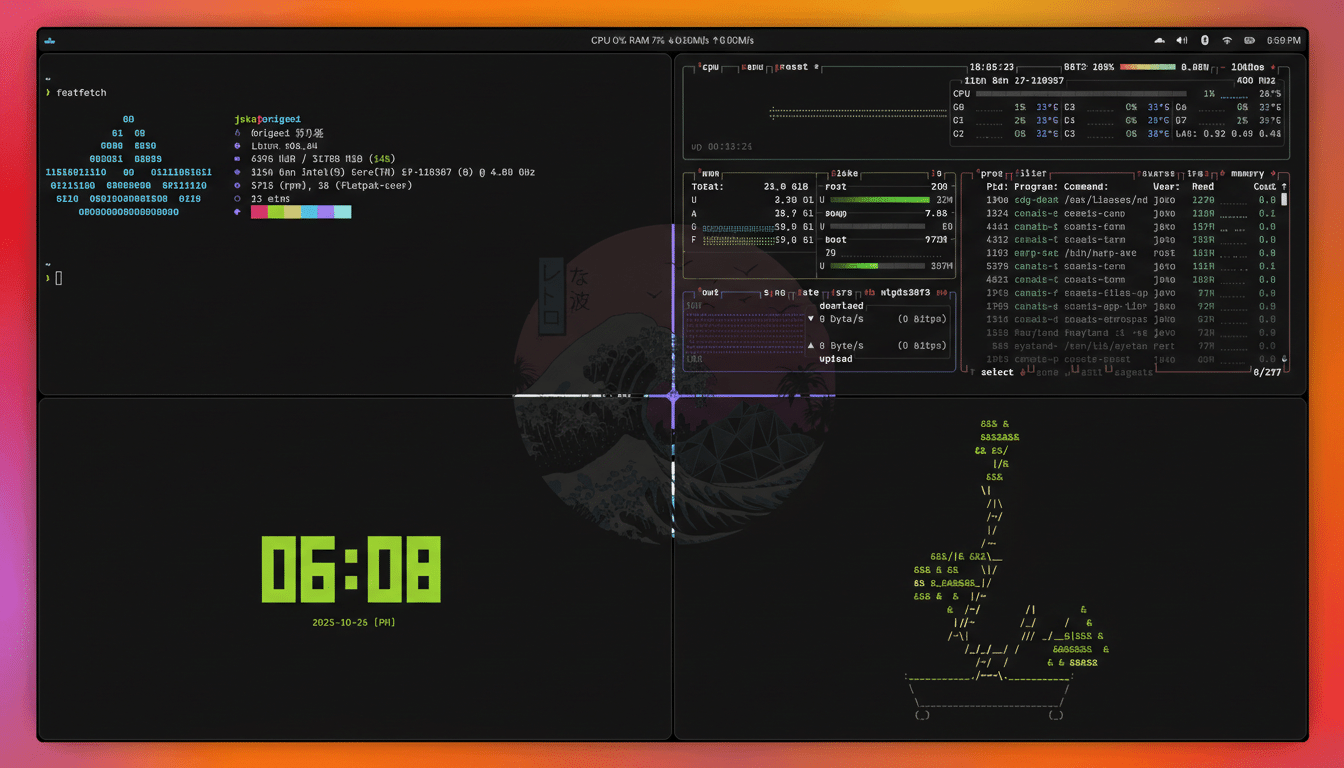
Origami Linux Debuts COSMIC On Immutable Fedora
https://www.findarticles.com/origami-linux-debuts-cosmic-on-immutable-fedora/
Publish Date: 2026-01-26 14:08:00
Source Domain: www.findarticles.com
A newcomer to the Linux scene is pairing one of the freshest desktops with one of the most resilient bases. Origami Linux melds System76’s stylish COSMIC interface with an immutable Fedora foundation, aiming to deliver a workstation that feels fast, looks refined, and stays hard to break.
Why Origami Linux Stands Out Among New Distros
Origami’s headline feature is its composition: COSMIC on top, Fedora’s read-only architecture underneath. That choice is deliberate. COSMIC has earned attention for its modern Wayland-first design and thoughtful ergonomics, while Fedora’s immutable approach helps lock down the core OS. The result is a desktop that’s comfortable out of the box yet engineered for stability and low-maintenance updates.
COSMIC Polish Meets Rust Performance and Safety
COSMIC’s interface gives Origami a consistent, refined feel: a top panel for status and quick toggles, a flexible dock, and nimble workspaces. Customization is straightforward—theme tweaks, panel behavior, and layout shifts can be dialed in within minutes without hunting through obscure settings. Under the hood, COSMIC’s components are written in Rust, a language prized for memory safety and speed. According to the Stack Overflow Developer Survey, Rust has been the most loved programming language for years running, a data point that mirrors the community’s confidence in its reliability for desktop components and compositors.
Immutable Fedora Under the Hood With rpm-ostree
Origami’s Fedora base uses an immutable model similar to Fedora Silverblue, backed by rpm-ostree. That means the system image is mounted read-only, updates are atomic, and rollbacks are one reboot away if something goes sideways. It’s a pragmatic way to cut configuration drift and keep development machines consistent over time. The Fedora Project’s security posture—SELinux enforcing by default, timely kernel updates, and a conservative approach to core packages—strengthens the…


