Why iPhone won’t have removable batteries in 2027
Why iPhone won’t have removable batteries in 2027
https://appleinsider.com/articles/26/07/10/no-eu-iphones-wont-have-a-removable-battery-door-in-2027
Publish Date: 2026-07-10 08:25:00
Source Domain: appleinsider.com
Despite what you might have seen on the internet, iPhones sold in the European Union will not have a removable back panel for easy battery replacement, and they probably never will. Here’s why.
You’ve probably seen AI TikTok slop and random Reddit posts that claim the EU will force Apple to bring user-replaceable batteries to the iPhone in 2027. But in what should be a surprise to nobody, they’re all wrong.
But like so much viral-yet-false information, there’s a kernel of truth to it. The EU does have new iPhone battery legislation that comes into effect in 2027. Apple already meets the requirements.
Apple has a history of going to battle with the EU, and it’s currently arguing over whether it can launch Siri AI in that part of the world. But in this case, the EU has given it an easy out.
To understand how this new regulation doesn’t apply to the iPhone, we first need to understand what the regulation actually says.
Say hello to the snappily-named Commission Regulation (EU) 2023/1670, Annex II, Part A and B, Section 1.1(1)(c)(ii).
The new requirements
Commission Regulation (EU) 2023/1670 specifically applies to smartphones, mobile phones, cordless phones, and slate tablets. At first blush, that should also include the iPhone.
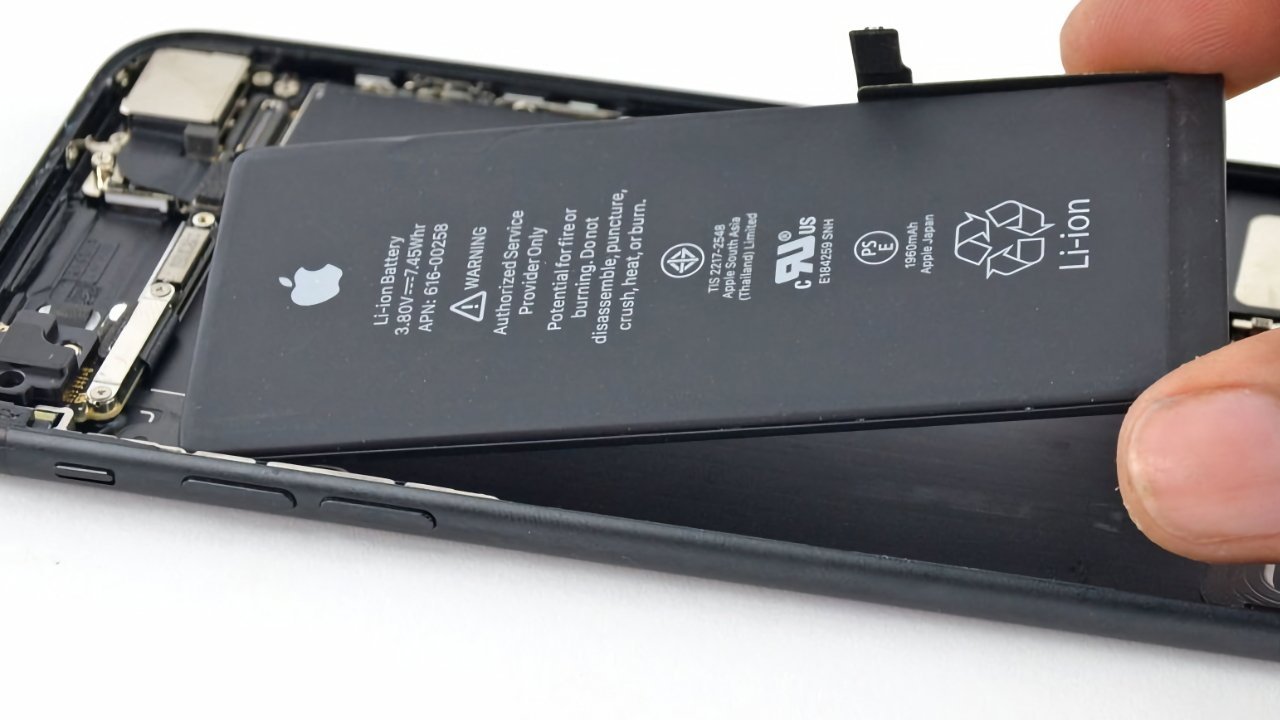
Boiled down to the bit that we’re interested in, the regulation requires that a battery be readily removable and replaceable. The battery and the smartphone must be designed in such a way that a device owner can replace the battery when required.
Further, no specialized tools can be required, and the process must be straightforward enough for an average adult consumer to do it.
With all of that said, you could easily assume that Apple has a problem and a redesigned iPhone will come to EU countries in 2027.
But dig a little deeper, and it’s clear that isn’t the case.
The exemption clause
The same regulation has a clause that specifically applies to iPhones and other premium devices from the likes of Samsung, Google, etc….