Apple Container 1.0 Released as a Native Docker Alternative for macOS
Apple Container 1.0 Released as a Native Docker Alternative for macOS
https://linuxiac.com/apple-container-1-0-released-as-a-native-docker-alternative-for-macos/
Publish Date: 2026-07-03 08:16:00
Source Domain: linuxiac.com
A year after Apple introduced its open-source container tool as a native, Swift-powered alternative for running Linux containers on macOS, the project has reached its first major stable milestone with the release of version 1.0.
For those who missed the original announcement, Apple’s container is a command-line tool to create, run, build, and publish OCI-compatible Linux containers directly from macOS.
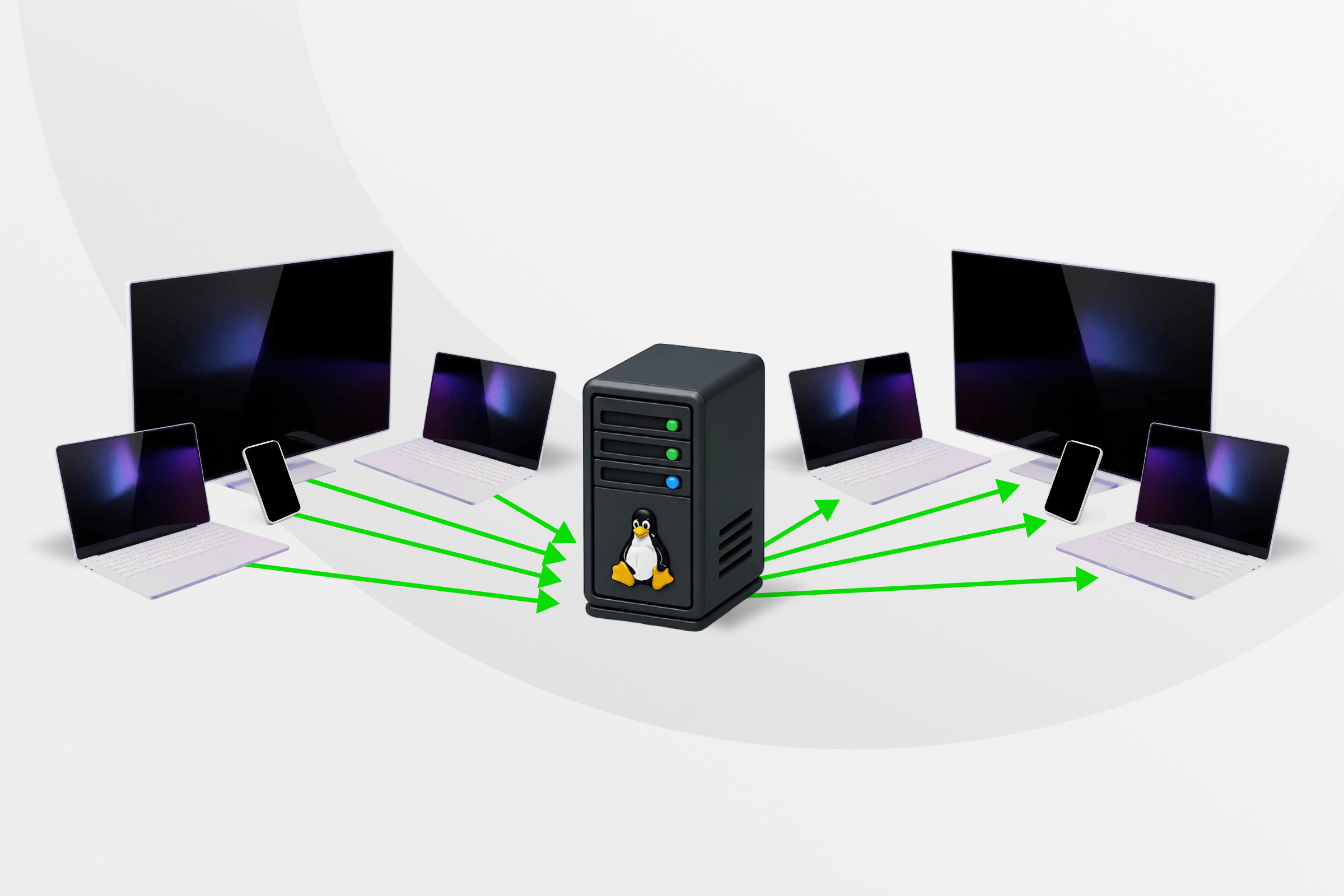
Because macOS does not run Linux containers natively like a Linux host, Apple’s approach relies on lightweight Linux virtual machines, with each container having its own isolated environment.
Unlike regular containers, which are typically modeled around a single application or process, a container machine is designed as a persistent Linux environment. In Apple’s words, it is meant to provide a highly integrated Linux setup that works seamlessly on a Mac, based on standard OCI images that can be built and shared.
And this is important because instead of running only short-lived containers, users can create long-lived Linux environments that persist across sessions, run an init system, and support long-running services.
Regarding host integration, a container machine automatically maps the macOS username and home directory into the Linux environment, making repositories and dotfiles available on both sides. This lets developers edit code using macOS-native tools, such as their preferred IDE or editor, while building and running the same project inside Linux.
Another useful addition is support for real Linux services, which makes the container machine suitable for testing applications against background services inside a Linux environment.
The feature also supports multiple target distro environments. Developers are able to create separate machines for Alpine, Ubuntu, Debian, or other Linux images, while still sharing the same macOS home directory and dotfiles.
Managing these environments is handled through the new container machine…