Did the iPhone cause a baby bust?
Did the iPhone cause a baby bust?
https://www.washingtonexaminer.com/in_focus/4606809/iphone-cause-baby-bust/
Publish Date: 2026-06-14 06:00:00
Source Domain: www.washingtonexaminer.com
In Focus delivers deeper coverage of the political, cultural, and ideological issues shaping America. Published daily by senior writers and experts, these in-depth pieces go beyond the headlines to give readers the full picture. You can find our full list of In Focus pieces here.
The Baby Bust in the United States began in 2008, the year of the financial crisis and the year the Great Recession began. Births and the birthrate have fallen nearly every year since the 2007 peak.
It’s easy, then, to blame the recession, and most commentators do, believing that the Baby Bust is mostly an economic phenomenon. But it’s not mostly economic. It is mostly cultural. And so if we zoom in a bit, we can pinpoint a more precise date when we stopped having babies.
The second quarter of 2008 was the first quarter with a year-over-year drop in births. The four months starting in May 2008 were the first four-month stretch where the year-over-year general fertility rate fell every month.
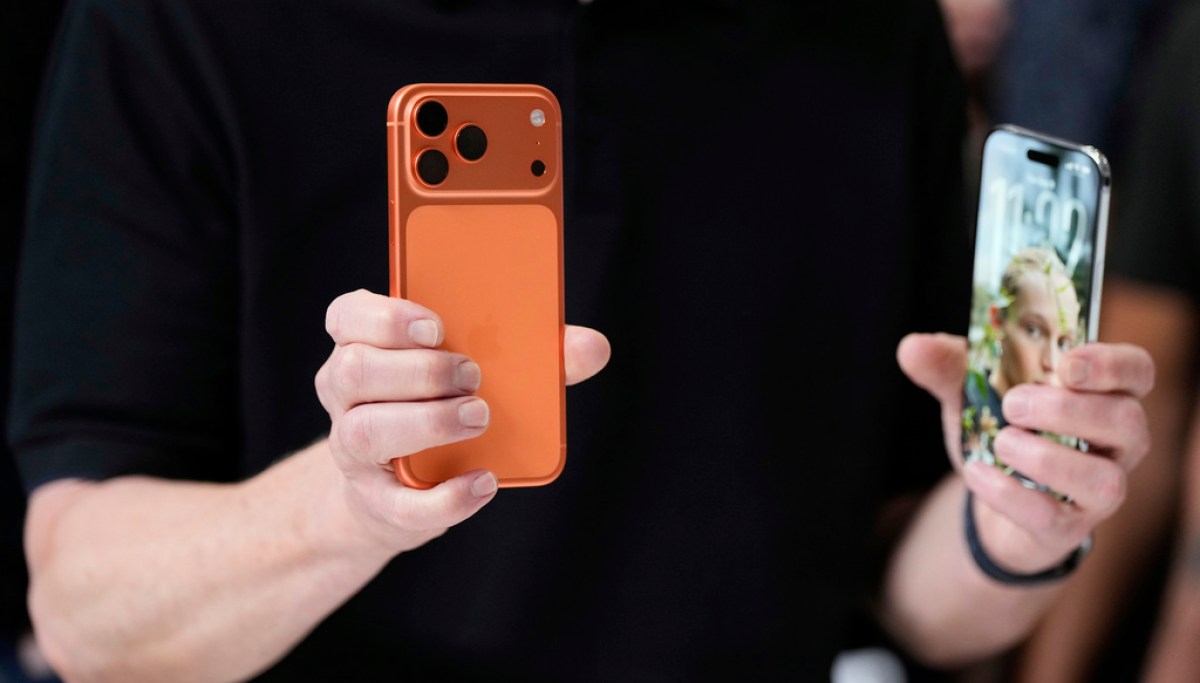
May 2008 was before the stock market crashed. It was, however, nine months after the first iPhone launched.
To some ears, it sounds absurd that smartphones could deter people from having kids. But the iPhone was never just a device. It was a cultural revolution. And when we see a cultural phenomenon as dramatic as the last 18-years’ collapse in marriage and family formation, we should wonder what changed the culture.
Maybe the culture was upended by a device that altered how people spend all their time, how singles date, how fast first-world norms spread across the planet, and frankly, how we understand ourselves.
The evidence
While the timing of the iPhone lineup, that could just be a coincidence. What’s more, something as massive as our reduction in marriage and family formation, obviously, will have many causes.
So economist Caitlin K. Myers and data analyst Ezekiel Hooper tried a more detailed analysis. They took advantage of the fact that the iPhone didn’t launch in…