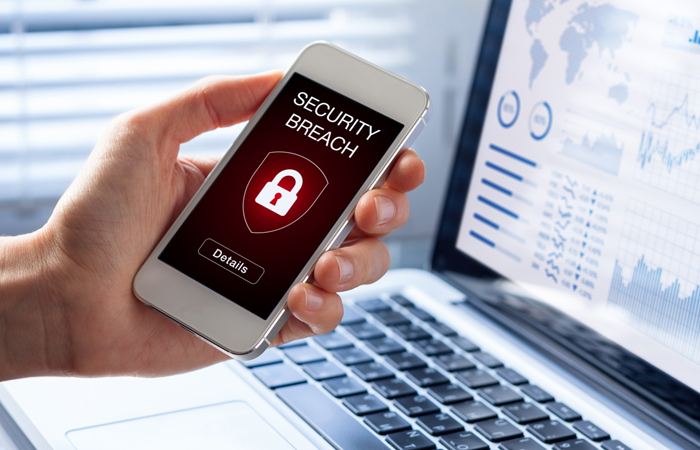
How Cyber Attacks across the Supply Chain can be Smartly Thwarted

How Cyber Attacks across the Supply Chain can be Smartly Thwarted
Publish Date: 2026-06-08 02:00:00
Source Domain: www.cybersecurity-insiders.com
In today’s interconnected digital economy, organizations rarely operate in isolation. Businesses depend on a complex network of suppliers, vendors, logistics providers, software developers, and service partners to deliver products and services efficiently. While this inter-connectedness improves productivity and innovation, it also creates new opportunities for cyber-criminals.
Supply chain cyber-attacks have emerged as one of the most significant threats to organizations worldwide, as attackers often target weaker links within the supply chain to gain access to larger and more secure enterprises. Therefore, implementing smart and proactive measures to thwart supply chain cyber-attacks has become a critical business priority.
A supply chain attack occurs when hackers compromise a third-party vendor, supplier, or service provider to infiltrate a target organization. Such attacks can lead to data breaches, operational disruptions, financial losses, and reputational damage. The increasing adoption of cloud services, remote work environments, and digital transformation initiatives has expanded the attack surface, making supply chain security more challenging than ever.
One of the most effective ways to prevent supply chain cyber threat is through rigorous vendor risk management. Organizations should conduct comprehensive security assessments before engaging with suppliers and continuously monitor their cybersecurity posture. Vendors should be required to comply with recognized security standards and demonstrate their ability to protect sensitive information. Regular audits and security reviews help identify vulnerabilities before they can be exploited by attackers.
Another essential strategy is implementing the principle of least privilege. Suppliers and third-party partners should only be granted access to the systems, applications, and data necessary for their specific roles. Limiting access rights reduces the potential damage if a…