When Cingular chief Stan Sigman backed the original iPhone before its 2007 unveiling, he accepted terms American carriers usually refused: no logo on the device, no control over its software, no preloaded apps, and a share of monthly subscriber revenue flowing back to Apple, after signing on without seeing a prototype
Publish Date: 2026-06-08 03:33:00
Source Domain: maketecheasier.com
Cingular signed on to sell the original iPhone before its executives had seen a working prototype, then gave Apple the kind of control American wireless carriers had spent years refusing to handset makers.
The agreement made Cingular the exclusive U.S. carrier for a phone Apple had not yet shown to the public. It also kept the carrier’s logo off the device, left Apple in charge of the hardware and software experience, and included a revenue-sharing arrangement that sent part of an iPhone customer’s monthly bill back to Apple.
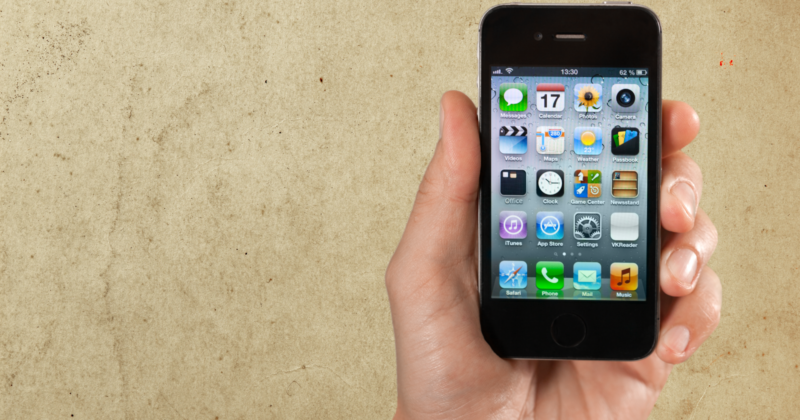
That was the part that made the deal feel almost unnatural in 2007. The phone Cingular agreed to carry did not have 3G, did not have an App Store, did not copy and paste text, did not record video, and did not let the carrier fill the home screen with its own services.
Steve Jobs unveiled it on January 9, 2007, at Macworld in San Francisco. In Apple’s launch announcement, the company described the iPhone as a mobile phone, a widescreen iPod, and an Internet communications device in one handheld product.
The carrier deal came before the finished phone
In the American phone business of the mid-2000s, carriers had the power. Verizon, Cingular, Sprint, and T-Mobile decided which phones reached their networks, how they were sold, what software appeared on them, and how much control users had once they bought them.
Apple wanted the opposite arrangement. Jobs wanted a phone without a carrier logo on the casing, without carrier software shaping the interface, and without the usual committee process that let network operators demand changes before launch.
Verizon had already rejected Apple’s approach. Wired reported in January 2007 that Verizon walked away from the iPhone deal over Apple’s demands for subscription revenue and control over how the phone would be sold.
Cingular accepted what Verizon would not. In Apple and Cingular’s January 9, 2007 announcement, the companies said Cingular would be Apple’s exclusive U.S. carrier partner…