Palo Alto CEO: “The SaaS apocalypse is dead, at least in cybersecurity”
Palo Alto CEO: “The SaaS apocalypse is dead, at least in cybersecurity”
https://www.calcalistech.com/ctechnews/article/sjcth26lml
Publish Date: 2026-06-03 10:41:00
Source Domain: www.calcalistech.com
After reaching an all-time high and a market value of approximately $250 billion, Palo Alto Networks, the largest company traded on the Tel Aviv Stock Exchange, is pulling back. The cybersecurity giant published quarterly results on Tuesday that, for the first time, included a full consolidation of CyberArk’s operations following the completion of its $25 billion acquisition in February. Despite reporting strong results and raising its outlook, Palo Alto’s shares are down following the earnings release.
The primary explanation appears to be profit-taking after a remarkable rally that has seen the stock gain about 65% since the start of the year. Investors are also weighing the impact of recent acquisitions on profitability. Palo Alto reported a net loss in the quarter after an extended period of profitability, although the company argues that the decline is temporary and largely related to acquisition-related expenses. Alongside CyberArk, Palo Alto has also spent $3.3 billion on the acquisition of Chronosphere and approximately $400 million on Israeli cybersecurity startup Koi, whose technology is intended to strengthen the company’s defenses against AI-related threats.
1 View gallery

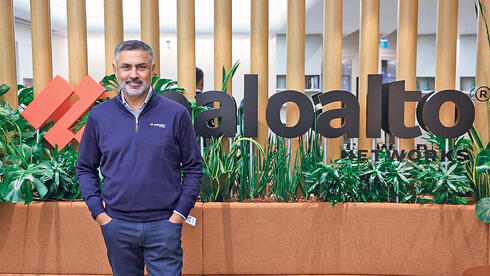
Nikesh Arora.
(Photo: Molly Goldberg)
Palo Alto reported revenue growth of 31% year-over-year to $3 billion, exceeding analyst expectations. Acquisitions contributed $388 million to quarterly revenue, with CyberArk accounting for the majority of that figure. Before its acquisition, CyberArk had already surpassed an annual revenue run rate of $1 billion.
The company also announced that beginning in fiscal 2027 it will report results across three primary business segments, one of which will be CyberArk’s identity security platform. On the bottom line, Palo Alto recorded a net loss of $177 million, largely driven by acquisition-related employee compensation expenses that totaled approximately $500 million. Excluding those items, adjusted earnings came in at $0.85 per share,…