Apple develop holographic iPhone
Apple develop holographic iPhone
https://www.azernews.az/region/258164.html
Publish Date: 2026-05-09 01:00:00
Source Domain: www.azernews.az
By Alimat Aliyeva
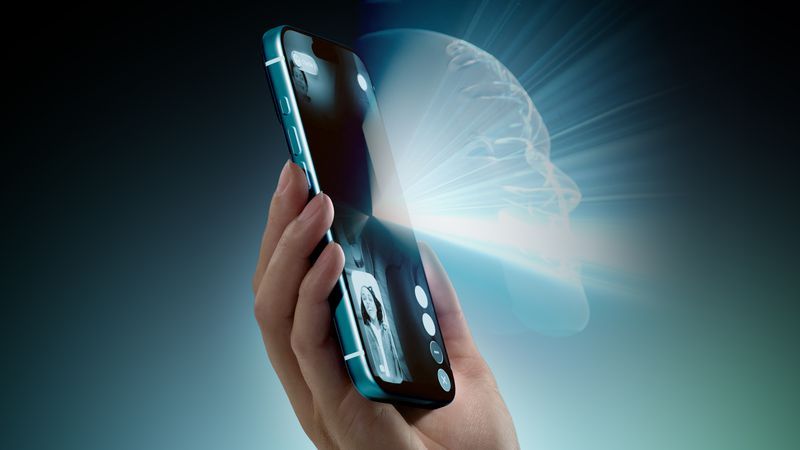
Apple may be working on an iPhone with a holographic display,
which is allegedly appearing in the supply chain under the codename
“Spatial iPhone.” This information was reported by an insider known
as Schrödinger, citing sources familiar with the project,
AzerNEWS reports.
According to the leak, Samsung is developing a new type of
display for this device, internally labeled MH1 or H1. The screen
is expected to combine eye-tracking technology with a
diffraction-based light control system. This would allow the image
to be directed at different viewing angles and create a
three-dimensional visual effect without the need for special
glasses.
The source also claims that the display will feature a
holographic layer based on a nanostructured coating embedded into
an AMOLED panel. Thanks to this, objects could appear to “float”
above the screen surface. In addition, a dedicated algorithm is
reportedly being developed that would adjust the viewing angle
dynamically as the user tilts the phone, enhancing the illusion of
interacting with objects in 3D space.
Despite these innovations, the display is said to retain full 4K
resolution in standard two-dimensional mode. The holographic
functionality would activate only for supported content.
Internally, the system is referred to as “Zero Clarity Loss,” as it
is designed to avoid the sharpness and distortion issues that
plagued earlier 3D and lenticular display technologies.
Schrödinger notes that the project is still in an early research
and development phase, and that mass production of holographic
smartphones is unlikely before 2030. The insider also added that
Samsung is not the only company exploring such technologies, and
that rumors about a “Spatial iPhone” are already circulating among
major component suppliers.
Some industry analysts believe that if such a device becomes
reality, it could mark the beginning of a new computing
paradigm—where smartphones…