NCSC launches SilentGlass, a plug-in device to secure HDMI and DisplayPort links
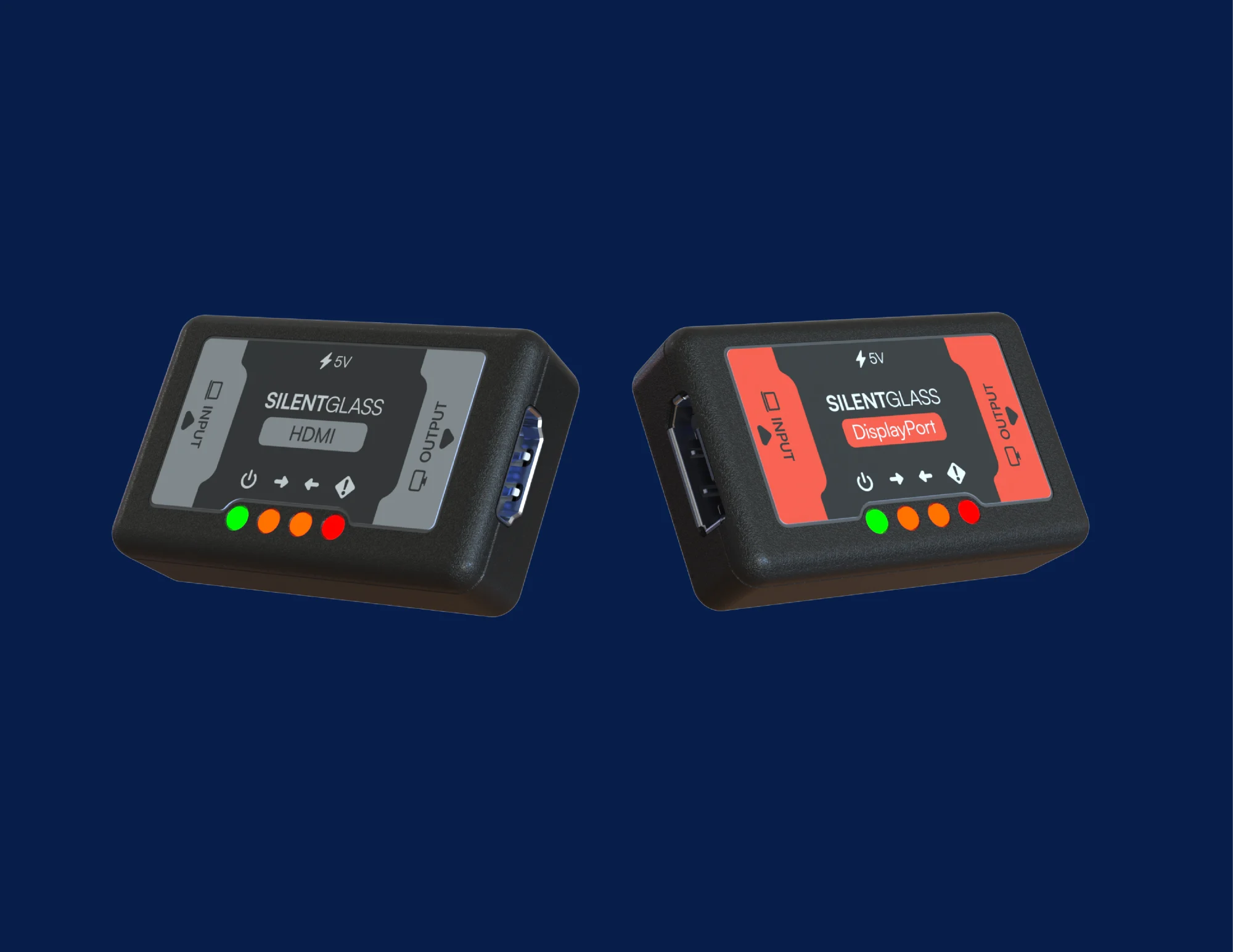
NCSC launches SilentGlass, a plug-in device to secure HDMI and DisplayPort links
Publish Date: 2026-04-28 03:29:00
Source Domain: securityaffairs.com
NCSC launches SilentGlass, a plug-in device to secure HDMI and DisplayPort links
Pierluigi Paganini
 April 28, 2026

NCSC’s SilentGlass blocks malicious HDMI/DisplayPort links, protecting monitors from hardware attacks. Now commercialized for global use.
The UK’s National Cyber Security Centre (NCSC) has launched SilentGlass, a new device to protect one of the most overlooked parts of modern IT systems: the physical links between screens and computers. It is a small plug-in security device designed to monitor and block suspicious activity on HDMI and DisplayPort connections.
Developed through research led by the NCSC and now licensed for production to Goldilock Labs in partnership with Sony UK Technology Centre, SilentGlass represents a shift in how hardware interfaces are treated in cybersecurity. Instead of focusing only on software threats, it addresses risks that arise when physical connections themselves are exploited.
“First commercially available product licensed to use NCSC branding granted to Goldilock Labs in manufacturing partnership with Sony UK Technology Centre.” reads the announcement. “UK government and businesses to be protected at scale by the affordable plug-in cyber security device”
The device works in a simple but powerful way. It sits between a computer and a display and inspects everything passing through the connection. If anything unexpected, unauthorized, or potentially malicious is detected, it immediately blocks the transmission. This prevents attackers from using display channels as an entry point or surveillance path.
According to the NCSC, monitors and screens are increasingly attractive targets for attackers because they often display sensitive information and are widely deployed across organizations. In some cases, they can even be used as an indirect pathway into larger systems, especially in environments where physical access or supply…