From Jurassic Park to dreams of AI doom, pop culture shapes science more than we like to admit
From Jurassic Park to dreams of AI doom, pop culture shapes science more than we like to admit
Publish Date: 2026-04-06 14:20:00
Source Domain: theconversation.com
The relationship between science and pop culture often looks like a one-way street: scientific discoveries inspire films, television and novels, particularly in science fiction. But the relationship really goes both ways, and extends beyond sci-fi.
Increasingly, pop culture shapes how science is imagined, discussed, and in some cases how it is developed.
From Jurassic Park to The Last of Us and cutting-edge debates about the safety of artificial intelligence (AI), fictional narratives do more than entertain.
They shape the frameworks through which audiences – including scientists, policymakers and funders – make sense of complex scientific ideas and of science itself. In doing so, they influence what seems possible and plausible, as well as what we want and fear.
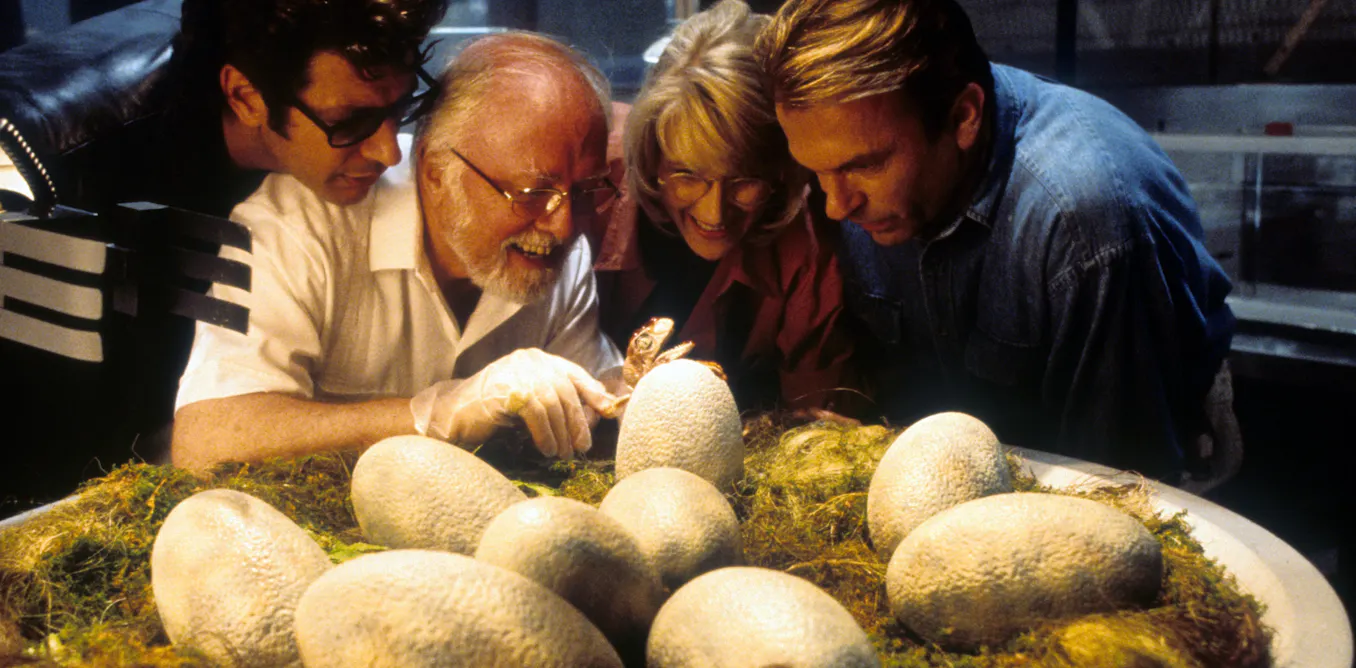
From Jurassic Park to reality
Your scientists were so preoccupied with whether they could, they didn’t stop to think if they should.
This famous line, delivered by fictional mathematician Ian Malcolm in Jurassic Park, has become a touchstone in debates about emerging technologies.
Take de-extinction. When biotechnology company Colossal Biosciences announced plans in 2021 to revive bygone species such as the woolly mammoth, the comparison was immediate: Jurassic Park. The film has become a cultural shorthand for the promises and pitfalls of bringing extinct species back to life.
Scientists and commentators alike invoke its famous ethical warning – that the question of whether we should do something is separate from whether we can. These references are not merely rhetorical. They shape how research is communicated, debated and understood.
By framing de-extinction through a familiar narrative, Jurassic Park has influenced public expectations, ethical anxieties and media discourse. We see projects described as “real-life Jurassic Park”, debates about whether such technologies should be pursued citing the film, and journalists using it as a shorthand when covering emerging…