Linux finally plans life after Linus as aging kernel leaders admit one person running everything was risky long-term
Publish Date: 2026-02-01 12:10:00
Source Domain: www.techradar.com
- Linux finally documents how to select who steps in after its long-time leader
- Decades of stability masked a zero bus factor problem at kernel leadership
- A formal organizer role replaces assumptions during sudden and messy leadership gaps
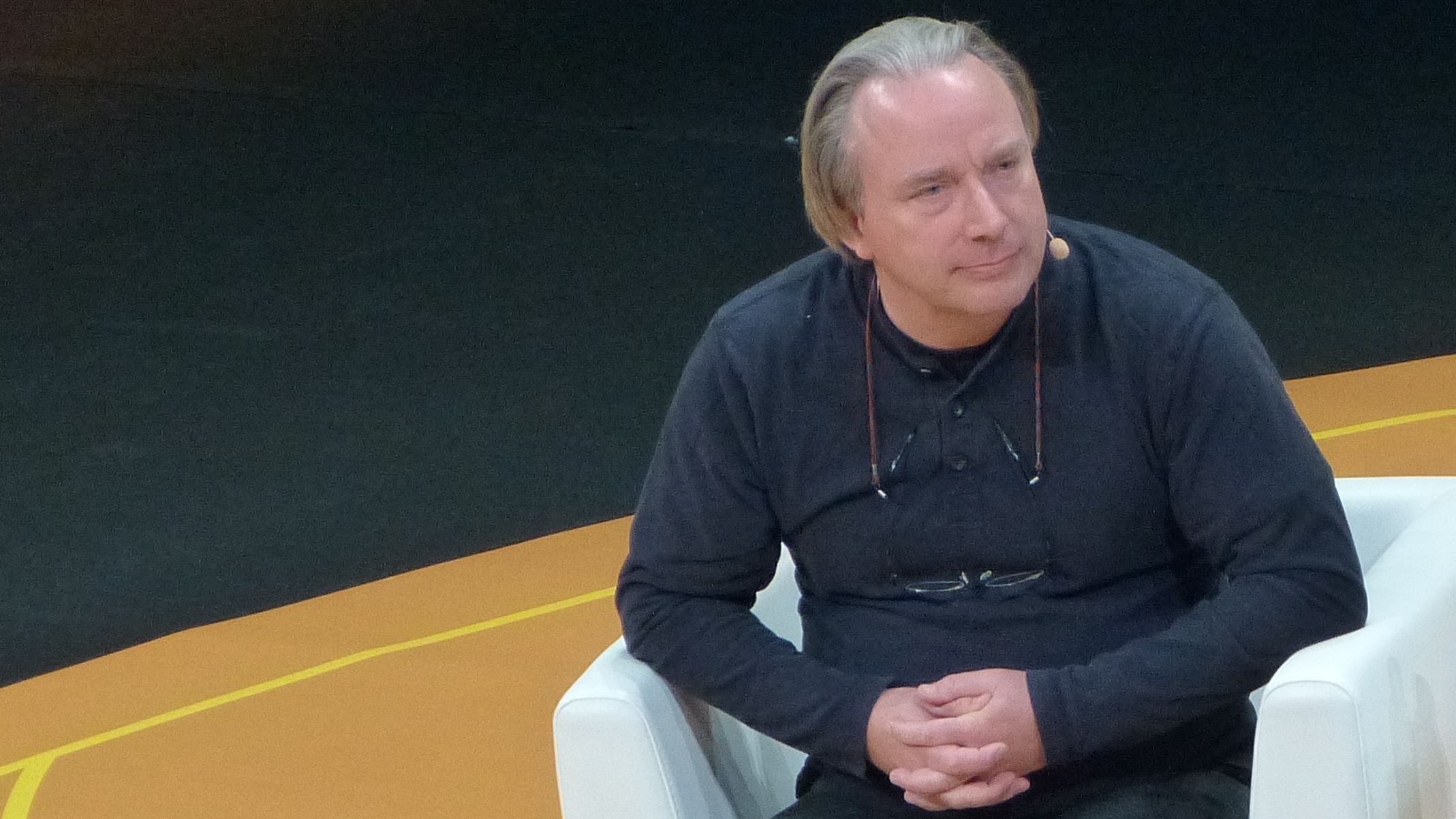
The Linux kernel community has existed for more than three decades under the guidance of one individual, Linus Torvalds, the creator of the Linux kernel, who has been at the helm of affairs since 1991.
But after many years without a written fallback, a formal process now exists to handle leadership change if the current maintainer steps aside.
The succession plan will only be used if Torvalds suddenly leaves a vacuum and there is no smooth handover – in this situation, the first step is selecting an ‘Organizer’, a role assigned either to the most recent Maintainers Summit organizer or the chair of the Linux Foundation Technical Advisory Board.
You may like
How the replacement process would begin
Once named, the Organizer has a limited window to start structured discussions with maintainers who attended the most recent summit.
If too much time has passed since that gathering, the advisory board steps in to decide who should be invited, with flexibility to include additional maintainers where needed.
After discussions begin, the invited group has two weeks to agree on a path forward, with the outcome then shared publicly through established mailing lists, keeping the wider community informed.
The process is deliberately procedural rather than personality-driven, relying on people already trusted with subsystem maintenance.
This approach mirrors how many Linux distros already manage leadership changes, even though the kernel itself has remained an exception for years.
Linus Torvalds has repeatedly noted many kernel maintainers have been active for decades, which reduces the risk of knowledge loss.
At the same…