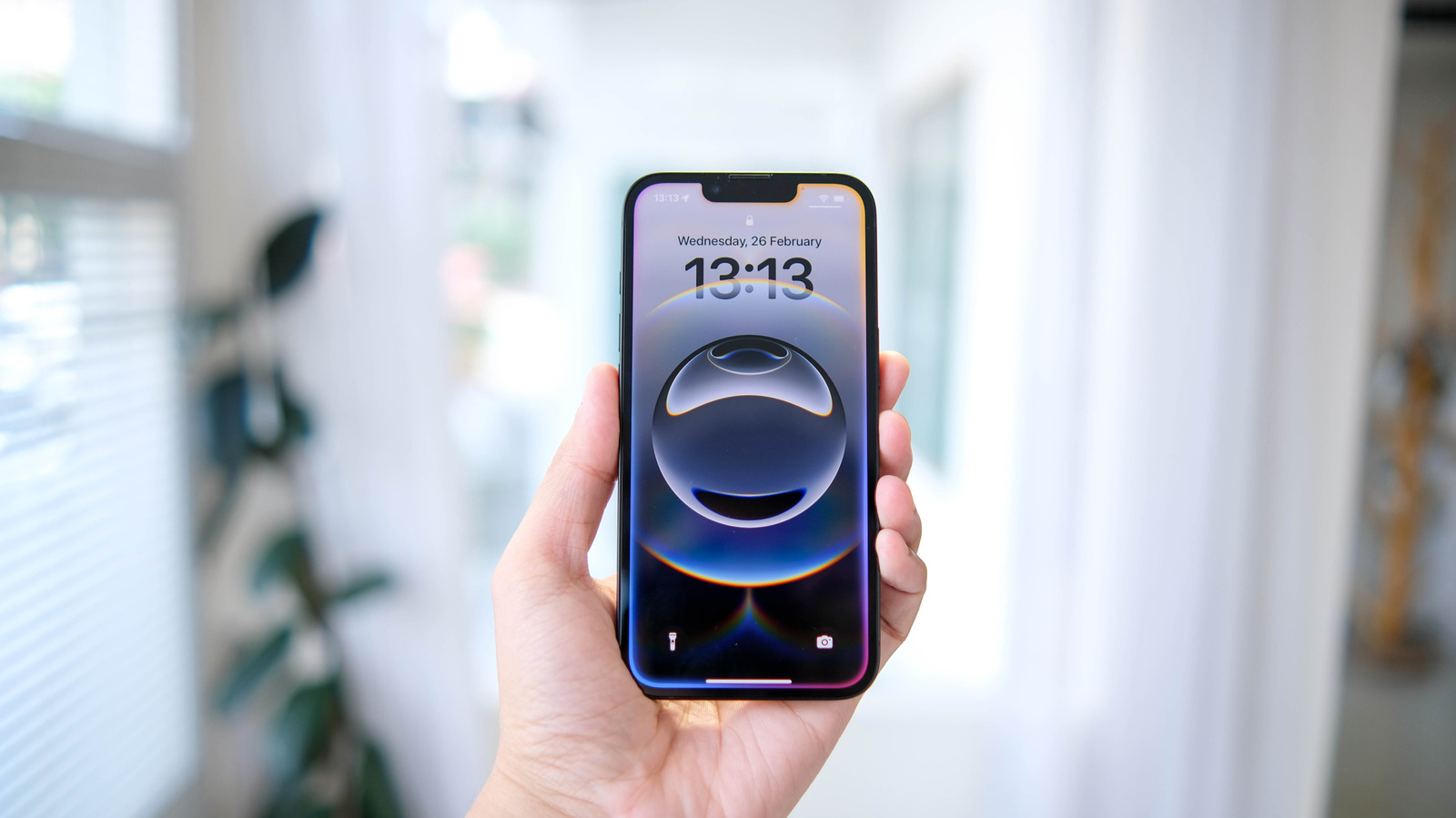
Should You Buy a New iPhone Now? Navigating Apple’s Upcoming Price Hikes

Should You Buy a New iPhone Now? Navigating Apple’s Upcoming Price Hikes
https://jo24.net/eng/article/11605
Publish Date: 2026-07-12 16:33:00
Source Domain: jo24.net
Deciding whether to buy a new iPhone today or wait for the next big release is a classic dilemma. Usually, the summer months are the worst time to upgrade, but this year, things feel different. With global supply chain shifts and rumors of significant hardware changes, the old rule of just waiting for September might not be your best bet.
The Reality of Rising Prices
Apple has been quietly adjusting its pricing strategy across the board. We’ve already seen price bumps for the MacBook Air, MacBook Pro, and the iPad lineup. Now, all eyes are on the iPhone. Analysts suggest that the upcoming Pro models could see a price hike of up to $200 compared to previous generations. Why does this matter? If you are holding out for the latest features, you might end up paying a premium that goes well beyond the standard retail price points we’ve grown accustomed to.
To Wait or Not to Wait?
Think about your actual needs. If you’re eyeing the high-end Pro series or the rumored foldable iPhone, holding off might be smart—but not for the reason you think. The foldable model is expected to carry a hefty price tag, potentially near $2,500. For most of us, that’s a massive investment.
- For the Budget-Conscious: If you don’t need the absolute latest chip, current models like the iPhone 17 or the 17e are solid, reliable choices that won’t require a second mortgage.
- For the Power User: If you want the cutting-edge AI features launching soon, you’ll likely need the processing power found in the upcoming Pro models.
- For the Smart Shopper: Consider refurbished older models. You get the Pro-level camera and battery performance without the steep launch-day markup.
But here’s the thing: Apple is likely staggering its releases. We might not see the entry-level or the ultra-thin ‘Air’ models until next spring. This strategy helps them manage manufacturing and memory chip constraints, but it leaves the average buyer in a state of constant ‘will-they-won’t-they’ anticipation.