The Role of Artificial Intelligence in the 2026 U.S. Elections
The Role of Artificial Intelligence in the 2026 U.S. Elections
https://natlawreview.com/press-releases/role-artificial-intelligence-2026-us-elections
Publish Date: 2026-07-08 12:15:00
Source Domain: natlawreview.com
The AI Voter
AI is on the 2026 ballot. The sharper question is whether anyone is casting a vote because of it.
WASHINGTON, DC, UNITED STATES, July 8, 2026 /EINPresswire.com/ — Artificial intelligence (AI) has emerged as a significant financial and policy issue in the 2026 political cycle, though its direct influence on voter behavior remains a subject of ongoing analysis.
While substantial political spending has entered campaigns centered around AI regulation—such as a June Democratic congressional primary in Manhattan that saw roughly $60 million in combined spending from pro- and anti-AI-regulation groups—data suggests that AI functions primarily as an amplifier of existing public concerns rather than a standalone voting issue.
Key Areas of Electoral Impact
The political relevance of AI has manifested across six localized issues that directly intersect with voter concerns:
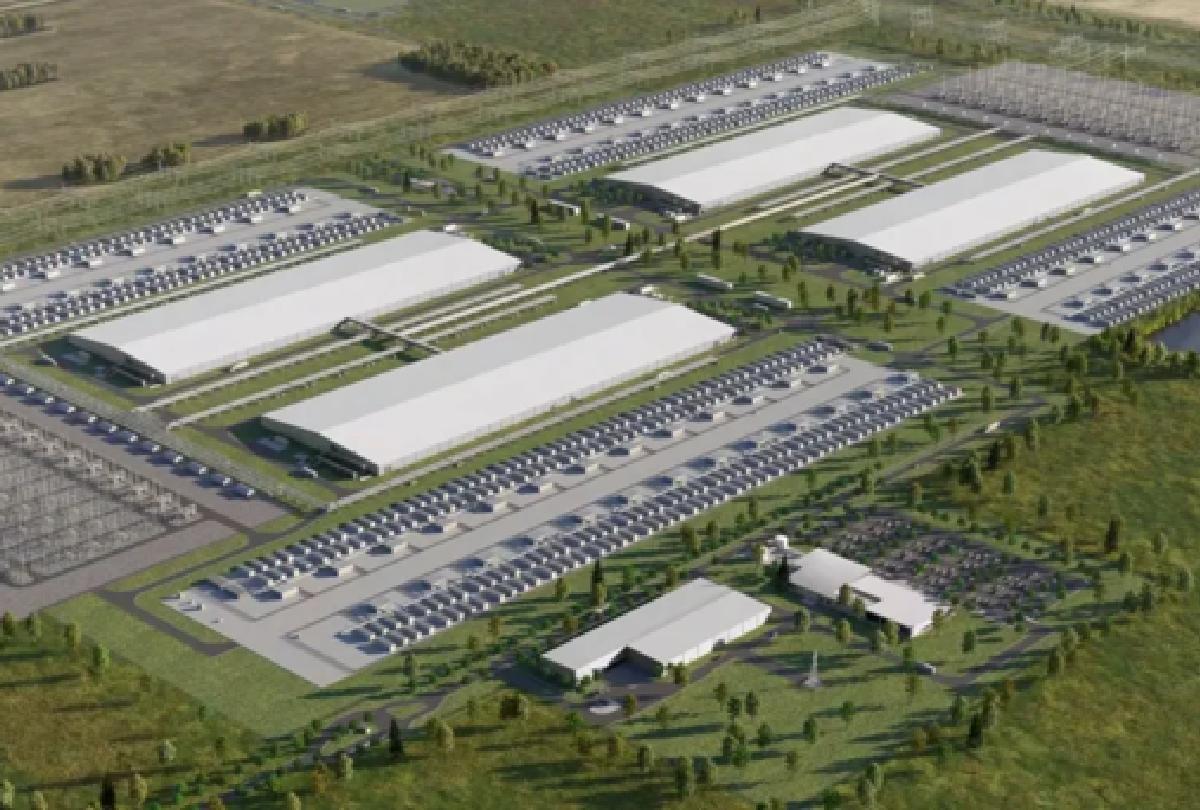
* Data Center Infrastructure: The expansion of AI infrastructure has turned data center development into localized zoning and land-use disputes across states like Virginia, Georgia, Ohio, Texas, and Indiana.
* Utility and Electricity Costs: Increased demand from data centers has impacted local electricity grids. According to a 2025 Quinnipiac poll, 72% of voters opposing new data centers cited rising electricity costs as their primary concern.
* Water Consumption: The high volume of water required to cool data centers has made environmental permitting a point of contention for 64% of data center opponents.
* Employment Expectations: A significant perception gap exists between the public and industry experts regarding automation. A 2025 Pew Research study indicated that 64% of Americans anticipate AI will reduce net jobs over the next two decades, compared to only 39% of AI experts.
* Synthetic Media and Deepfakes: Following early instances like the 2024 New Hampshire robocalls, AI-generated content and attack ads have become regular campaign fixtures, prompting bipartisan concern…