Who’s Regulating Police Technology? It’s Not the Courts.
Who’s Regulating Police Technology? It’s Not the Courts.
https://www.techpolicy.press/whos-regulating-police-technology-its-not-the-courts/
Publish Date: 2026-07-02 16:01:00
Source Domain: www.techpolicy.press
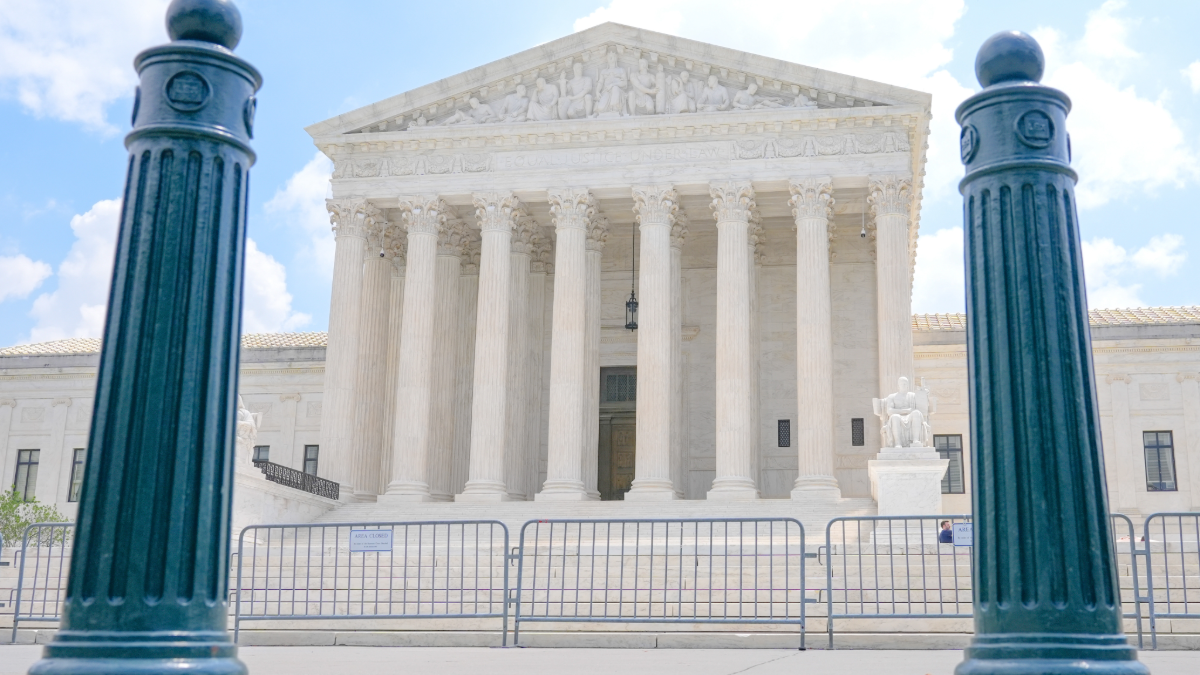
The U.S. Supreme Court is seen Monday, June 29, 2026, in Washington. (AP Photo/Mariam Zuhaib)
On Monday, the Supreme Court determined that when police demand a record of a user’s location history from Google, they ordinarily need to get a warrant based on probable cause.
It’s an important decision. The Court recognized that Google’s practice of creating a “comprehensive catalog” of users’ locations is a boon to law enforcement. What’s more, the majority understood that, whether intentionally or not, Google had helped to create a “virtual panopticon” that the government can now exploit more easily than ever before.
But the case, Chatrie v. United States, also highlights an ongoing revolution in criminal procedure. For centuries, courts and lawmakers have been the primary regulators of law enforcement investigations, placing legal limits on how police can collect information. Now, companies like Google are becoming just as influential.
In the set of events that gave rise to the case decided this week, Virginia police investigating a bank robbery sought a “geofence warrant,” directing Google to give them access to the location history belonging to electronic devices that appeared within a 150 meter radius of the bank. But instead of simply getting the relevant information from Google, law enforcement enlisted Google to help, going back and forth with the company several times as police narrowed their list of users of interest. That data eventually led police to the defendant, Okello Chatrie, who was sentenced to serve over a decade in prison.
As the Court acknowledges, this is an “uncommon” type of search. In fact, Chatrie argued that the demand was so broad as to be unreasonable: In order to even begin to determine who the wrongdoer might be, Google had to sift through the millions of location data points generated by ordinary customers who had done nothing wrong. The Supreme Court’s decision kicks this crucial question back to the Fourth…