Microsoft warns Authenticator now blocks rooted Android and jailbroken iOS, verify if you’re affected
Publish Date: 2026-06-29 22:12:00
Source Domain: www.windowslatest.com
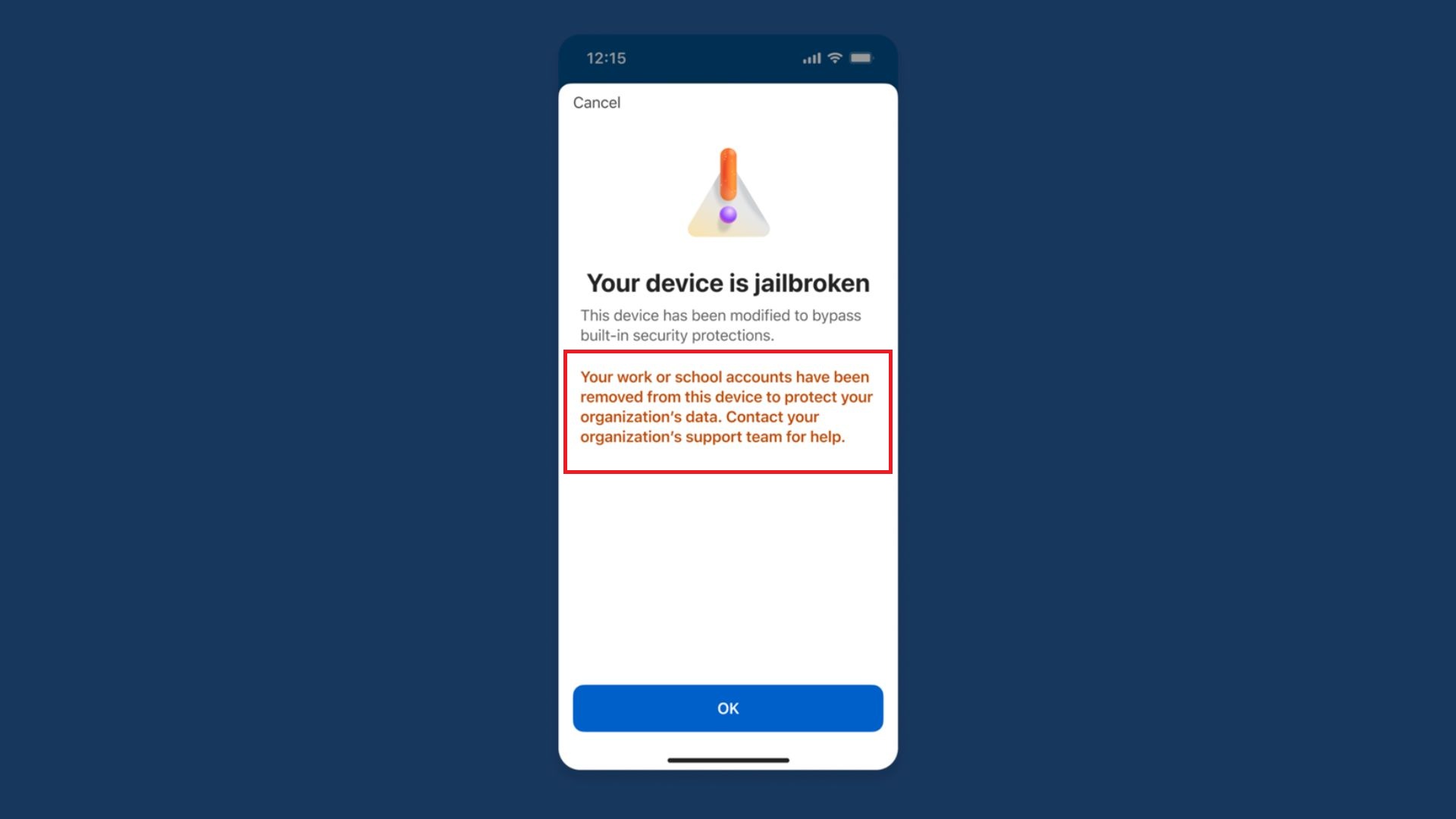
Microsoft previously told Windows Latest that it added jailbreak or root detection (iOS/Android) for work or school accounts in Microsoft Authenticator. At that time, Microsoft did not clarify who is actually affected, and it pointed us to a support document that still says all work and school accounts are affected:
“Microsoft introduced jailbreak/root detection for work or school accounts in Microsoft Authenticator,” Microsoft’s original documentation reads. “If Authenticator detects that your device is jailbroken or rooted, all existing and new work or school accounts will be blocked to protect your organization.”
Now, Microsoft has offered some clarification via an update on its admin portal, which is accessible only via Microsoft 365 Enterprise.
Who is affected by Microsoft Authenticator jailbreak or root restrictions?
Right now, Microsoft Authenticator’s new jailbreak and root detection only applies to Microsoft Entra credentials, which are work or school accounts.
In other words, if you use Microsoft Authenticator to generate codes for your company, school, university, Microsoft 365, Teams, Outlook work, Azure, or Intune account, you will not be able to use it on a rooted or jailbroken device.
Likewise, if someone uses Authenticator to approve sign-ins for [[email protected]](mailto:[email protected]) or [[email protected]](mailto:[email protected]) on a rooted Android phone or jailbroken iPhone, that account can be blocked inside Authenticator.
For example, if you use Authenticator for your company Outlook, Teams, SharePoint, OneDrive for Business, or Microsoft 365 login, Microsoft Authenticator would be affected if your phone is rooted or jailbroken.
However, Windows Latest found that Microsoft Authenticator detection does not apply to third-party 2FA codes stored in Microsoft Authenticator. For example, if you use Authenticator for GitHub, Cloudflare, Facebook, Instagram, or any third-party service where you…

)