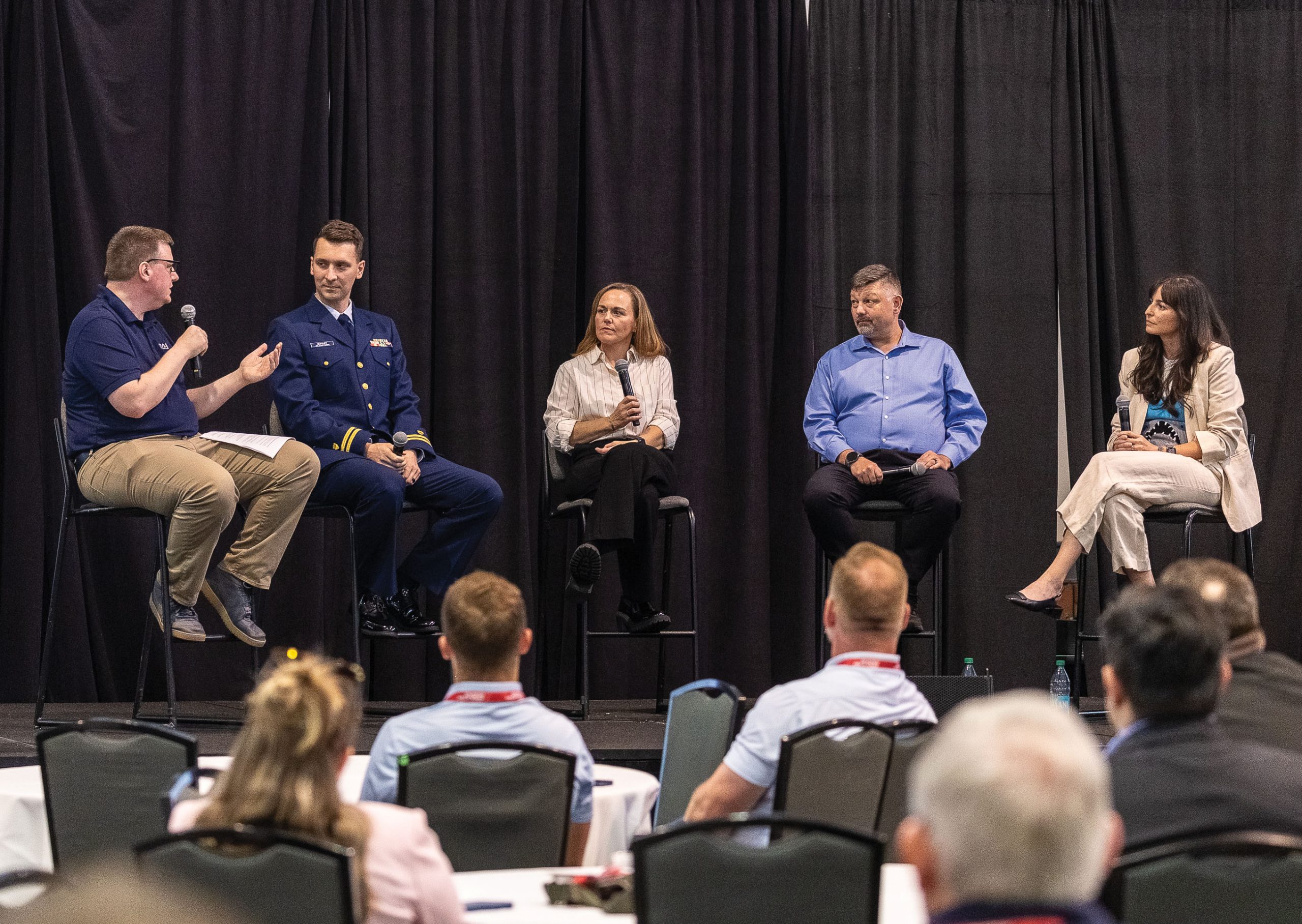
The National Academies Launders Mythos: “Implications of AI for Cybersecurity”
The National Academies Launders Mythos: “Implications of AI for Cybersecurity”
Publish Date: 2026-06-26 03:16:00
Source Domain: www.flyingpenguin.com
In April “The Boy That Cried Mythos” caught Anthropic collapsing its own credibility. In June “Mythos dressed up in a coat, should be called Opus with a moat” caught it again.
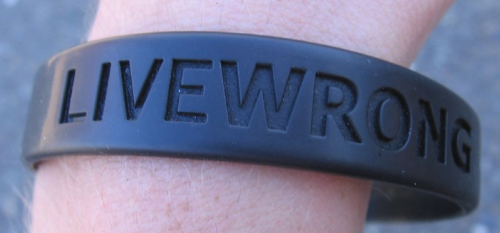
Anthropic wants to play God, feed on claims only they can verify, which is to say it feeds beliefs based on lies. If that sounds harsh, think about how the God of cycling Lance Armstrong treated anyone who suggested he was doping. He sure got a lot of medals for “livewrong“.
Source: Flickr
Now the Mythos lies have spilled their way into a venue claiming to use a formal review process. A new National Academies document (NASEM) freshly launders vendor marketing without any explanation.
National Academies of Sciences, Engineering, and Medicine. 2026. Implications of AI for Cybersecurity: A Rapid Expert Consultation. Washington, DC: The National Academies Press.
This should help clarify, for those who are wondering if we are dealing with a Lance Armstrong of LLMs.
| NASEM Laundry (June 2026) | Prior Evidence |
|---|---|
| Figure 1 plots Mythos at 83.1% on CyberGym as settled capability, sourced to “Wang et al. 2025” | The 83.1% has been repeatedly proven false. It’s a self-reported number by Anthropic. AISLE proved detection reproduced in 8 of 8 open-weight models, even at $0.11 per million tokens, Cisco proved outcome is model-independent |
| Restricted Glasswing access presented as responsible handling of uniquely capable model | The danger warnings are self-serving FUD marketing. Model uniqueness repeatedly disproven. Mythos emailed out of its sandbox only after being instructed to try, showed no sign of altering its weights, and Opus 4.6 finds the same or better flaws |
| Vulnerability discovery framed as a breakthrough enabling novel risk | The flagship FreeBSD CVE-2026-4747 is a 2007 patch in training data, opposite of novel. It was a curated recovery from a backlog of delayed fixes, which any model does. |
| Benchmark score offered as capability evidence | Of 23,019 reported findings, 1,752… |