Apple Raises MacBook Prices as AI Memory Shortage Drives Up Hardware Costs
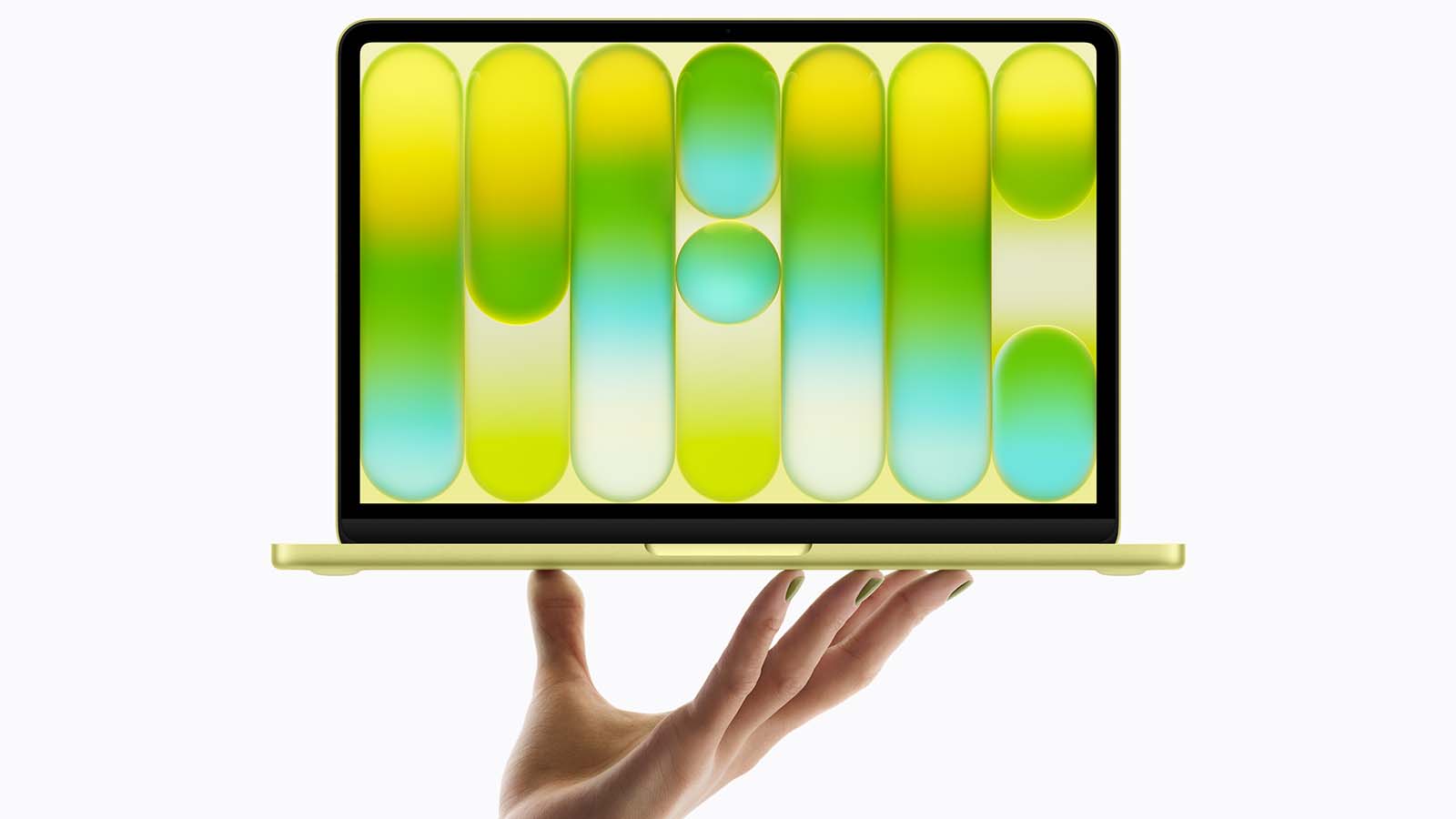
Apple Raises MacBook Prices as AI Memory Shortage Drives Up Hardware Costs
https://thepcenthusiast.com/apple-raises-macbook-prices/
Publish Date: 2026-06-25 17:54:00
Source Domain: thepcenthusiast.com
 Apple’s latest MacBook lineup now costs more as soaring memory and storage prices force the company to pass higher component costs on to consumers.
Apple has officially increased prices across its MacBook lineup, citing rapidly rising memory and storage costs fueled by the AI boom. The move marks one of the company’s largest pricing adjustments in years and reflects a broader supply crunch that is affecting the entire PC industry, not just Apple.
The higher prices primarily affect the MacBook Air and MacBook Pro lineup, although Apple’s entry-level MacBook Neo also received a $100 price increase, rising from $599 to $699. Apple also adjusted pricing on several other products, including select iPads, HomePod, Apple TV, Mac mini, iMac, Mac Studio, and Vision Pro.
The good news is that many MacBook models now include significantly larger base storage configurations than before, helping offset part of the price increase.
MacBook Price Comparison
| Product | Previous Starting Price | New Starting Price |
|---|---|---|
| MacBook Neo | $599 | $699 |
| MacBook Air (M5) | $1,099 | $1,299 |
| MacBook Pro (M5) | $1,699 | $1,999 |
| MacBook Pro 14-inch (M5 Pro) | $1,999 | $2,199 |
| MacBook Pro 16-inch (M5 Pro) | $2,499 | $2,699 |
| MacBook Pro 16-inch (M5 Max) | $3,499 | $3,899 |
Prices shown are Apple’s official starting prices for the affected configurations.

Why Apple Increased Prices
According to Apple CEO Tim Cook, the company has reached a point where further price increases have become unavoidable. The biggest issue isn’t manufacturing costs or tariffs, but memory and storage.
The rapid expansion of AI infrastructure has created enormous demand for DRAM and NAND flash memory. Memory manufacturers are prioritizing high-margin AI server customers, leaving fewer chips available for consumer devices such as laptops, tablets, and smartphones. As a result, component prices have risen sharply throughout 2026.
Industry data shows DRAM prices surged by as much as 98% during the first…