First touch phone: IBM Simon overtakes iPhone in 15 years – LsA magazine
First touch phone: IBM Simon overtakes iPhone in 15 years – LsA magazine
Publish Date: 2026-06-20 18:01:00
Source Domain: www.letemsvetemapplem.eu
When the word touchscreen is mentioned in the tech world, most of us immediately think of the legendary moment from 2007 when Steve Jobs showed the world the very first iPhoneThe Apple company rewrote the rules of the mobile market from the ground up and showed us what a handheld computer should actually look like.
But the real touchscreen revolution began much earlier. At a time when mobile phones were more like unsightly walkie-talkies, IBM took a bold step and introduced a device that was decades ahead of its time.
The emergence and development of the pocket miracle
The project, codenamed Angler, started in the early 1990s. IBM engineers had the seemingly crazy idea of combining a classic mobile phone and a personal digital assistant, the then popular handheld computers (PDAs), in one device. The result was a model called the IBM Simon Personal Communicator.
The prototype was first shown at the Las Vegas trade show in the fall of 1992, but the final product did not hit the shelves of American stores until August 1994. Production for the then giant was provided by the Japanese company Mitsubishi Electric, and the world suddenly stared at something it had only known from sci-fi movies.
Brick at an astronomical price
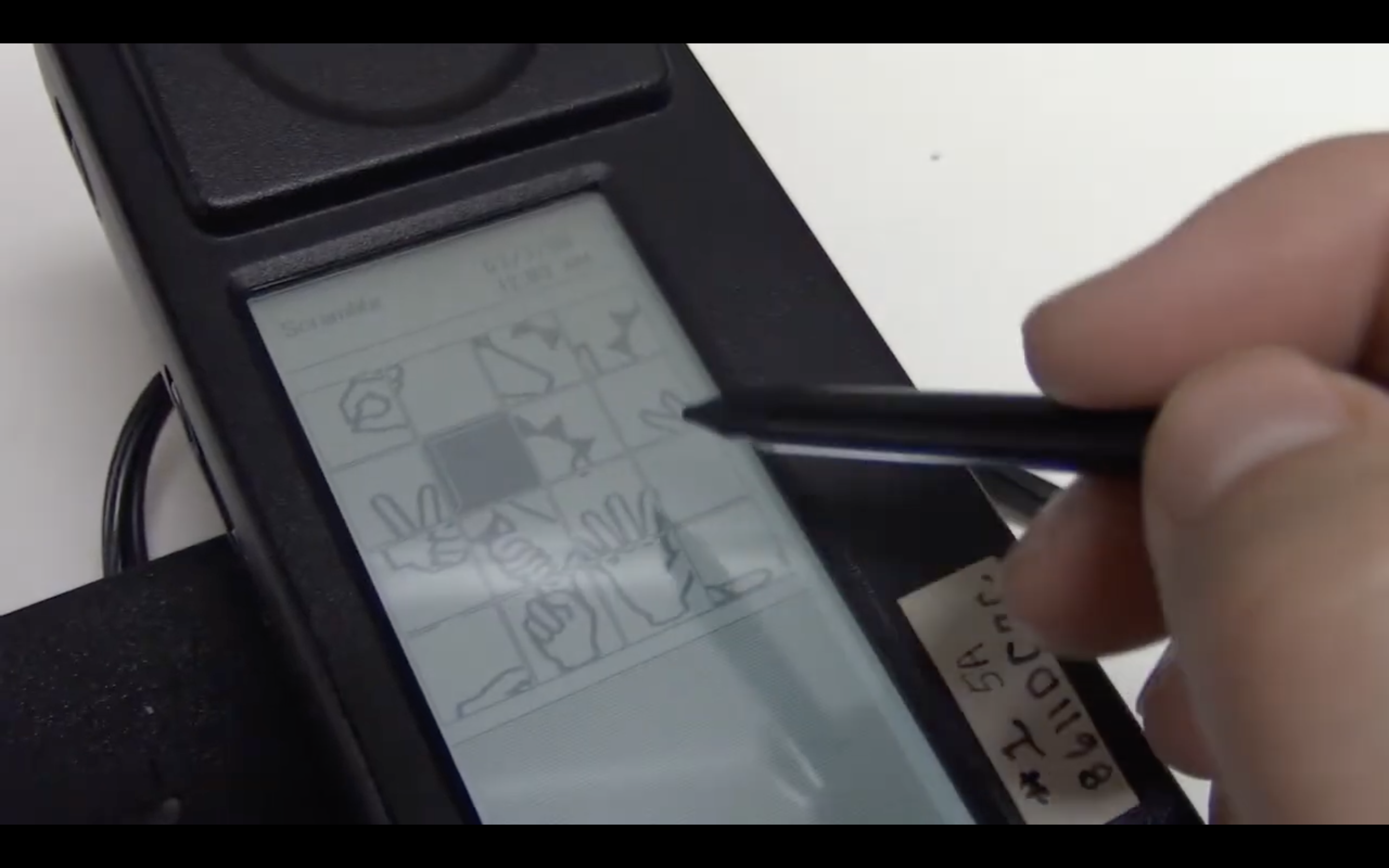
From today’s perspective, when we carry elegant and thin iPhones with enormous computing power in our pockets,onem, the hardware specifications of the very first smartphone are quite laughable. Simon weighed over half a kilogram and measured twenty centimeters in length. The display was, of course, only black and white and relied on older resistive technology that required physical pressure to sense touch.
Users could control this giant device either with their finger or with the help of the included plastic stylus. Under the hood, a sixteen-bit processor ran, and the entire device had exactly one megabyte of RAM and the same amount of internal storage.
Kancwallet packed for travel
But the main thing was hidden in the…


