A word from our Editor-in-Chief: Issue 23
A word from our Editor-in-Chief: Issue 23
https://www.forbes.com.au/covers/magazine/a-word-from-our-editor-in-chief-issue-23/
Publish Date: 2026-06-14 20:27:00
Source Domain: www.forbes.com.au
When a recent graduation speaker at the University of Central Florida said that we are living in a time of profound change and that “the rise of artificial intelligence is the next industrial revolution”, a video of her speech quickly went viral.
This story features on the cover of Forbes Australia: Issue 23 . Tap here to secure your copy.
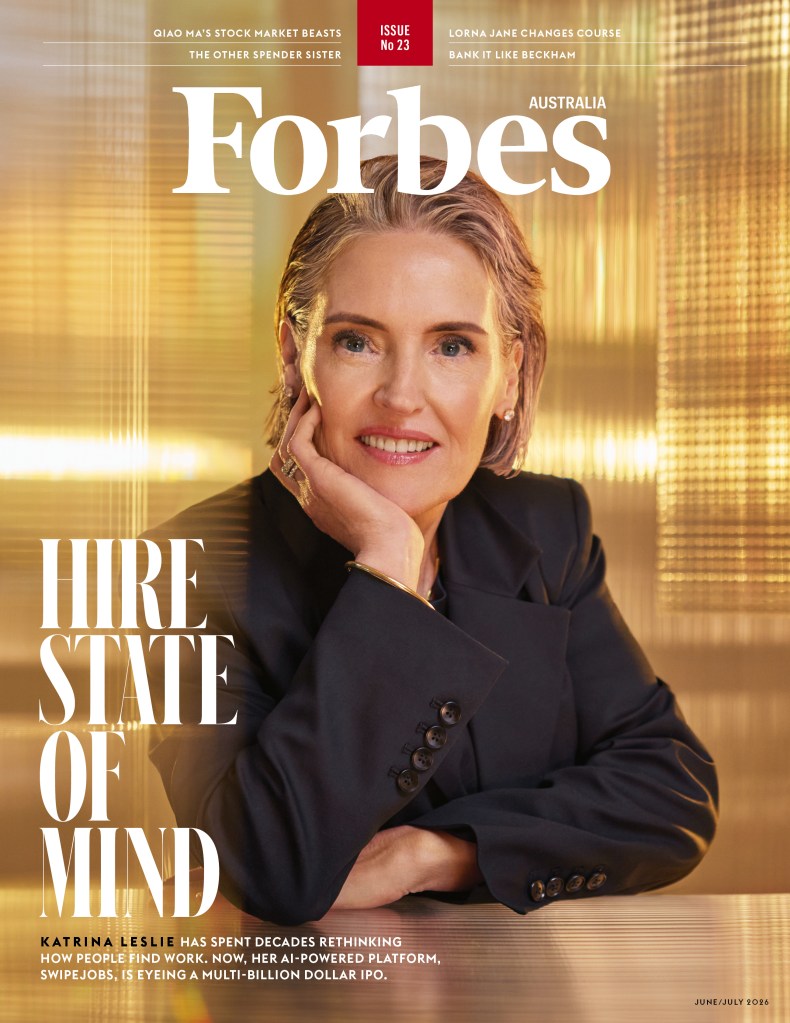
Katrina Leslie on the cover of Issue 23 (Forbes Australia)
Not because she’d made some profound statement – but because an unexpected chorus of boos erupted throughout the auditorium.
It was a visceral reaction from hundreds of students and an early sign of a growing backlash against AI. It wasn’t an isolated incident. In the days that followed, several commencement speeches that lauded AI were met with similar reactions, including one by former Google CEO Eric Schmidt.
While the intention of these speeches was, presumably, to instil optimism in graduates about the possibilities of AI and the future ahead, many young people aren’t feeling it.
It’s a sentiment that I also noticed at the recent Forbes Women’s Summit. One of the strongest audience reactions of the day came when neuroscientist Alexis Fernandez-Preiska warned on stage that outsourcing creativity to AI is “the greatest disservice you can ever do for your brain.” The room erupted in applause.
Fernandez-Preiska went on to explain that when people rely on AI to think creatively for them, they are effectively telling their brains they are incapable of doing it themselves. “So, when you do sit down to be creative, and you don’t have AI by your side, you’ll freak out,” she said.
The reaction in the room, and increasingly in graduation halls around the world, signals this growing tension between the need to embrace AI and the need to protect what makes us human.
On one hand, there’s huge optimism. Before the Summit, we surveyed more than 500 attendees, and by a significant margin, the…