Abdul El-Sayed calls for public ownership of AI, citing risk of ‘human demise’
Abdul El-Sayed calls for public ownership of AI, citing risk of ‘human demise’
Publish Date: 2026-06-09 19:28:00
Source Domain: bridgemi.com
by Lauren Gibbons, Bridge Michigan
June 9, 2026
- Michigan US Senate candidate Abdul El-Sayed calls for public ownership, utility-like government regulation of AI companies
- The idea of public ownership has gained traction in recent weeks as US Sen. Bernie Sanders, President Donald Trump express interest
- How and if the federal government should address AI has emerged as a topic of debate in Michigan’s competitive US Senate race
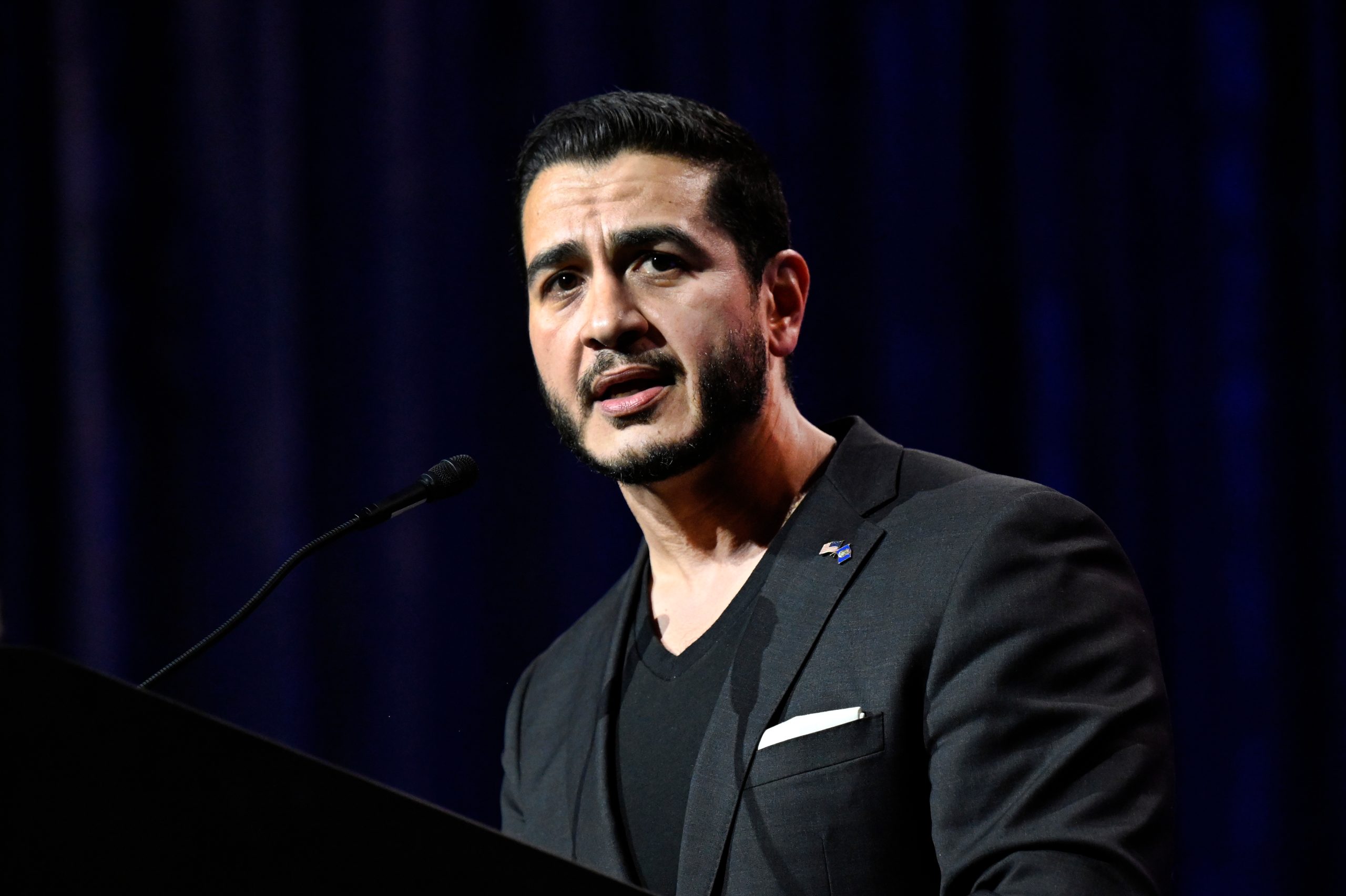
Artificial intelligence amounts to a “tidal wave” or “tsunami” that will reshape society, according to Michigan US Senate candidate Abdul El-Sayed.
And that calls for drastic action to protect humanity, the progressive Democrat has argued, saying in recent forums that “we’re going to have to get to public ownership” of AI and regulate AI firms as public utilities.
“I hear folks who say, ‘Well, that seems pretty intense, we wouldn’t do that in almost any other industry,’” El-Sayed told Bridge Michigan on Tuesday.
“But no other industry has the potential to fundamentally change the nature of the social contract, or cause human demise to the level that AI is offering.”
Related:
How the federal government should respond to the rapidly advancing technology has emerged as a topic of debate in Michigan’s fiercely competitive US Senate race, where El-Sayed faces state Sen. Mallory McMorrow and US Rep. Haley Stevens in the Democratic primary.
El-Sayed is the only candidate in the race to call specifically for public ownership of AI firms, though McMorrow has made AI regulation a touchstone issue of her campaign and Stevens served on a bipartisan AI task force in Congress in addition to working on several AI safety and research bills.
Mallory McMorrow, Haley Stevens and Abdul El-Sayed shared a stage during a Democratic US Senate debate at the Mackinac Policy Conference. (Simon Schuster/Bridge Michigan)
Treating AI like a utility could further complicate efforts to regulate a fast-moving product, McMorrow…