Wall Street HALO Beckons Investors Trying to Ward Off AI-Driven Losses
Wall Street HALO Beckons Investors Trying to Ward Off AI-Driven Losses
Publish Date: 2026-06-07 00:01:00
Source Domain: www.thedailyupside.com
In Renaissance art, halos are indicators of divinity and holiness, or at least spiritual enlightenment.
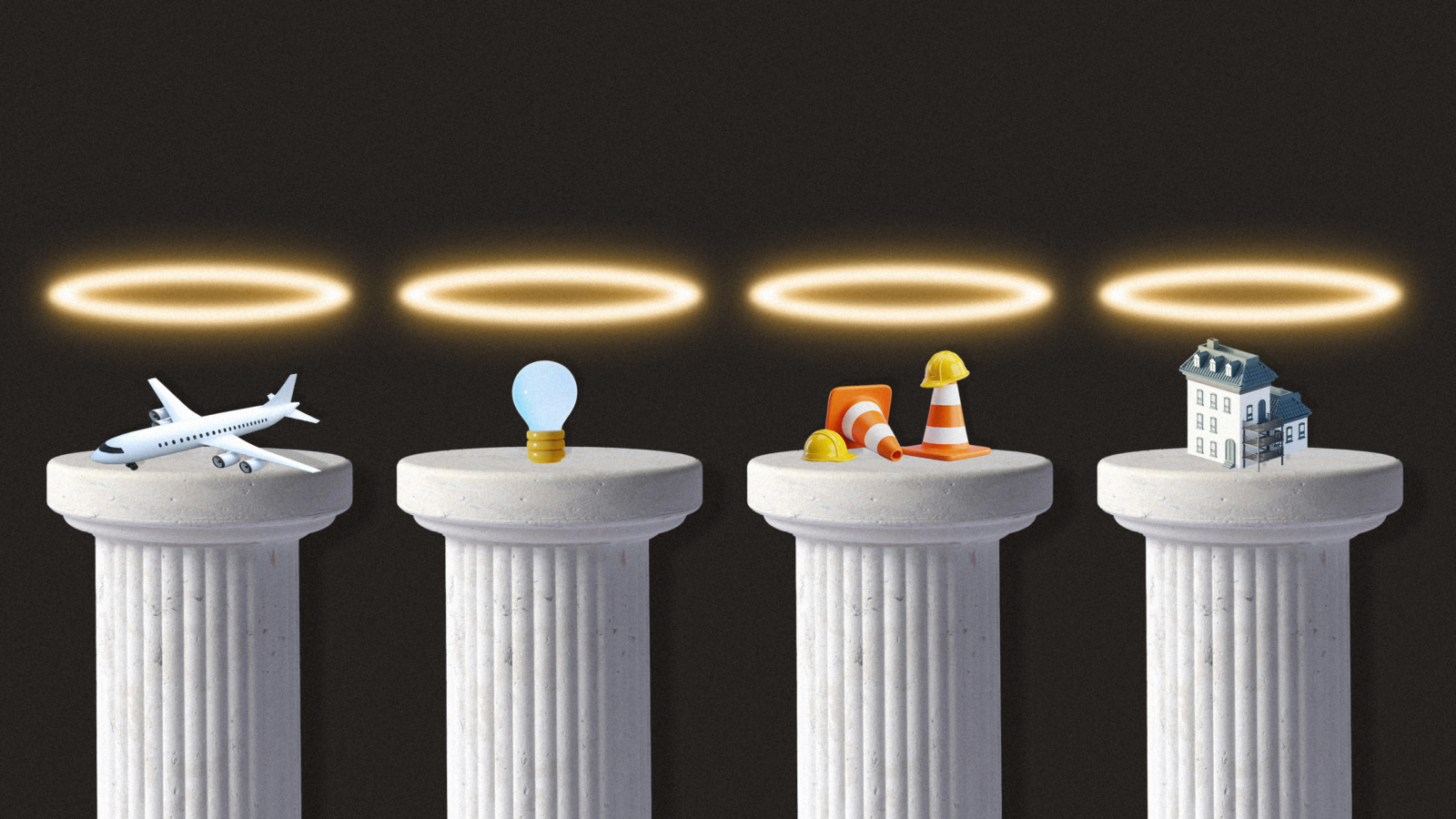
In financial markets, they have a more earthbound association. HALO, an acronym for heavy assets, low obsolescence, refers to a trade that confers a degree of immunity. Immunity from the potentially corrosive effects of AI on some assets, that is.
As the artificial intelligence bull run that’s lifted markets threatens formerly high-growth sectors like software with painful disruption, traders are seeking investments that can arguably sidestep or withstand AI and, in some cases, even benefit from it.
“HALO stocks are immune to Claude Code,” Josh Brown, the Ritholtz Wealth Management CEO, explained when he coined the term back in February. “Anytime people are freaking out about Claude Code and ripping capital out of the shares of its perceived gallery of victims, these are the types of stocks that are being bought instead.”
Apart from their perceived resilience to AI disruption, HALO companies often have little in common with one another, making them an unusual category, he added.
Heavy assets generally mean capital intensive businesses that need money up front, that use or manufacture machinery and that require physical property. For example, Enterprise Products Partners, up 19% this year, operates 50,000 miles of pipelines. Water utility H2O America, up 18%, operates 407,000 water and wastewater service connections.
Low obsolescence means something unlikely to be replaced by AI any time soon, like electric grids, air conditioners or Coca-Cola.
The opposite of this, what’s not HALO, are companies that are capital light, having minimal physical inventory or physical assets. Capital light firms, especially in technology and software, thrived in the era of zero interest rates and widespread liquidity in the decade following the Great Recession because they could raise money on the promise of rapid growth with little startup or…