iPhone 18: could Apple be planning a bold new camera lens?
iPhone 18: could Apple be planning a bold new camera lens?
Publish Date: 2026-06-04 11:14:00
Source Domain: www.digitalcameraworld.com
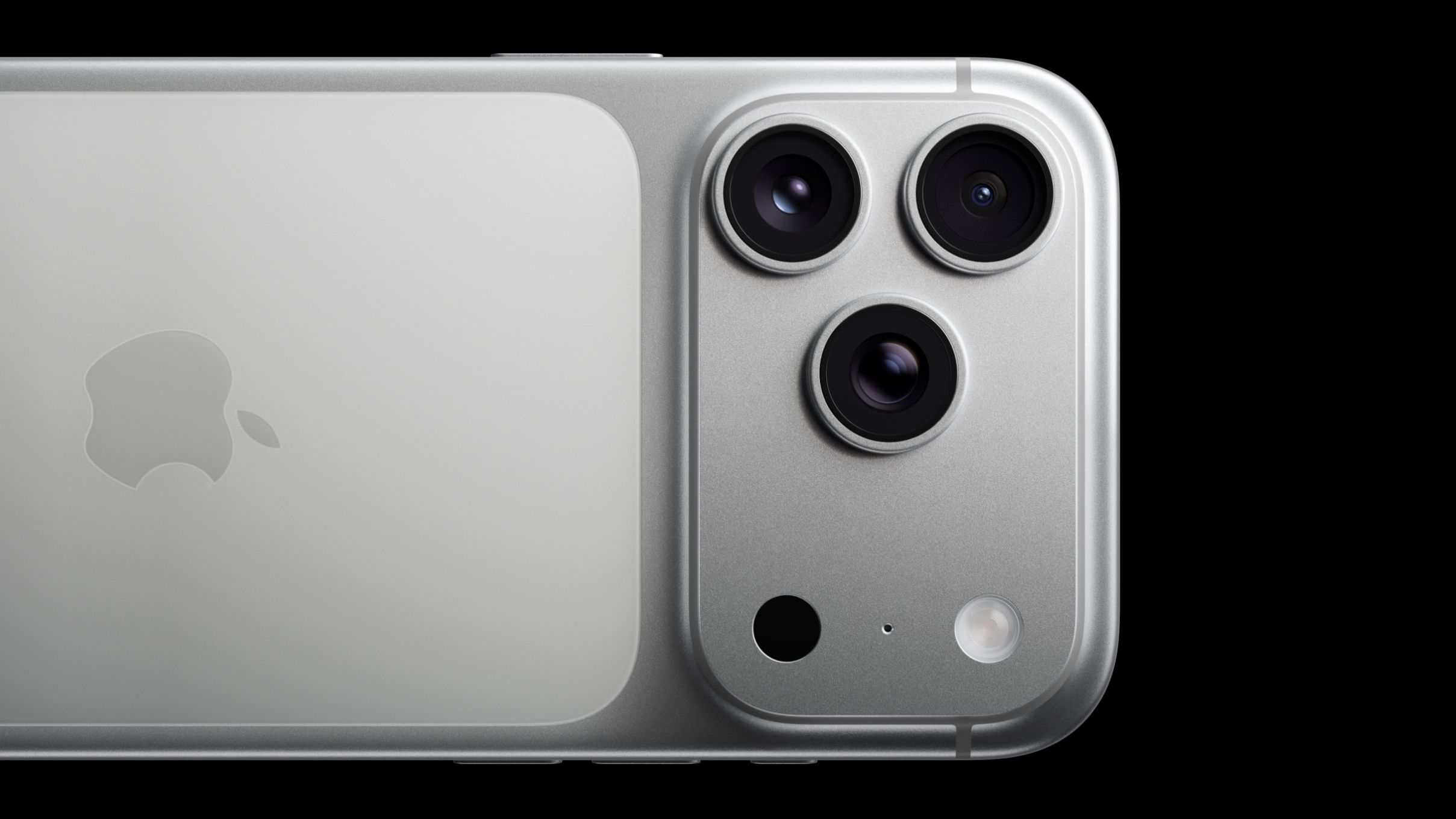
The launch of the new iPhone 18 is likely only a 3-4 months away, and the rumor mill is spinning up with chatter about what camera hardware it may ship with. The latest tip reiterates previous speculation that the iPhone 18 could feature a variable aperture lens for its primary camera module. The rumor comes from respected industry analyst Ming-Chi Kuo, though it has also been reported by a separate source in Apple’s supply chain.
Render of a variable lens aperture design by Tecno (Image credit: Apple)
In the current climate where phone manufacturers often prefer AI image processing improvements over camera hardware upgrades, the news that Apple could be developing a new lens for its next iPhone seems welcome. However, I remain to be convinced that such a feature will have a noticeable improvement to camera usability or image quality.
(Image credit: Future)
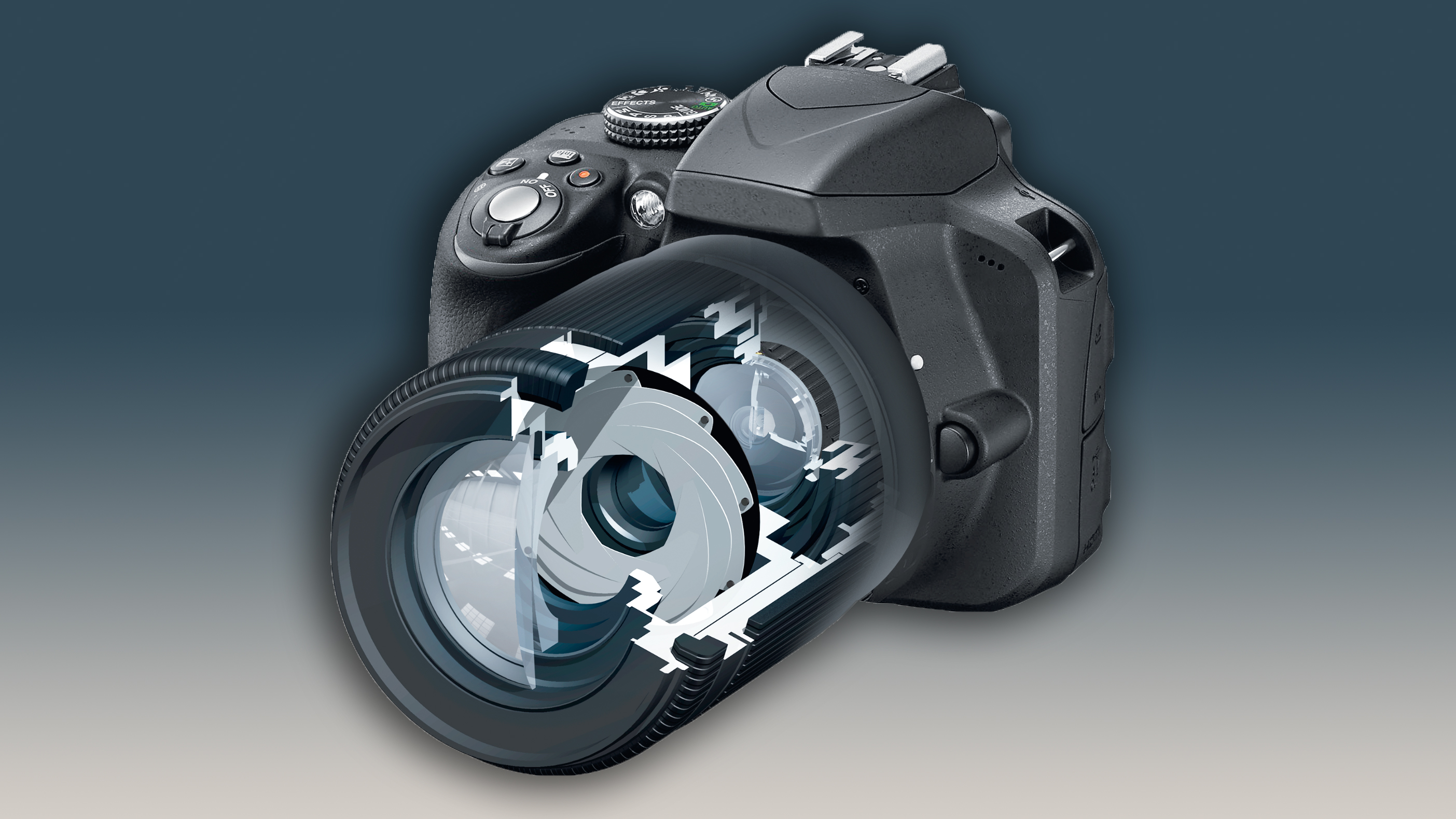
A variable lens aperture is essential in a lens designed for a conventional, large-sensor camera like a full-frame DSLR or mirrorless body. This is because the larger the sensor, the shallower the depth of field at a given aperture. With a full-frame camera, if you want a subject close to the camera and a more distant background to both be in focus, you’ll need to significantly reduce the lens aperture. But shrink the sensor down to 1/1.28″ – the size of the sensor in the iPhone 17 Pro’s primary camera – and, even at the module’s native f/1.8 aperture, there’ll still be a huge depth of field.
Latest Videos From


A shallow depth of field effect being faked by image processing in a phone’s portrait mode – without software trickery, the background in this shot would be considerably more detailed (Image credit: Future / Luke Baker)
As background detail is almost always clearly visible behind a subject snapped by a camera phone, we’ve seen the implementation of portrait modes which use software processing to artificially blur background. The aim here is to emulate the shallow depth of field effect you…