iPhone 18 Rumors 2026: Under-Display Face ID & Camera
iPhone 18 Rumors 2026: Under-Display Face ID & Camera
https://the-gadgeteer.com/2026/06/03/iphone-18-rumors-2026-under-display-face-id/
Publish Date: 2026-06-03 14:00:00
Source Domain: the-gadgeteer.com
If you buy something from a link in this article, we may earn a commission. Learn more
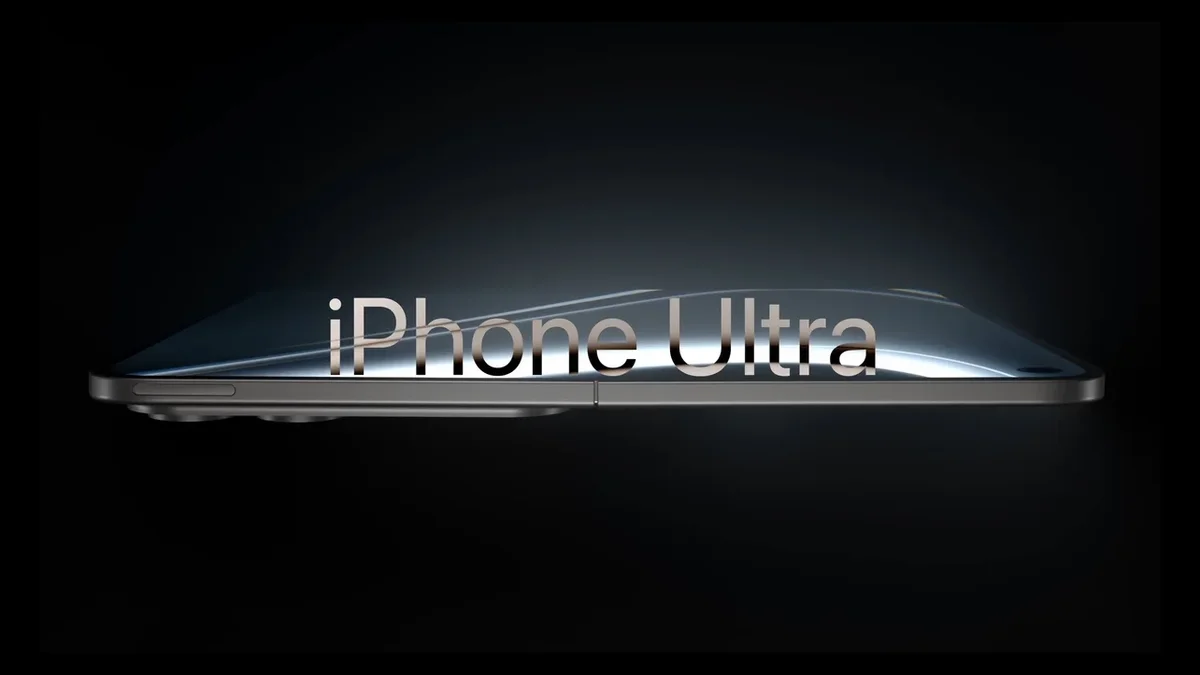
The iPhone 17 has been on the market less than a year, but the supply chain has already moved on. Over the past two weeks, a steady drip of leaks has sketched out Apple’s 2026 lineup in unusual detail, and the picture is messier than any single-year roadmap we’ve seen in a while. Under-display Face ID, a shrunken Dynamic Island, a variable-aperture main camera, a delayed standard model, and a still-mysterious foldable iPhone Ultra are all in play. With production validation testing reportedly already underway for the Pro models, here’s what the most credible rumors actually suggest.
Add The Gadgeteer on Google Add The Gadgeteer as a preferred source to see more of our coverage on Google.
ADD US ON GOOGLE
Under-display Face ID on the Pro models
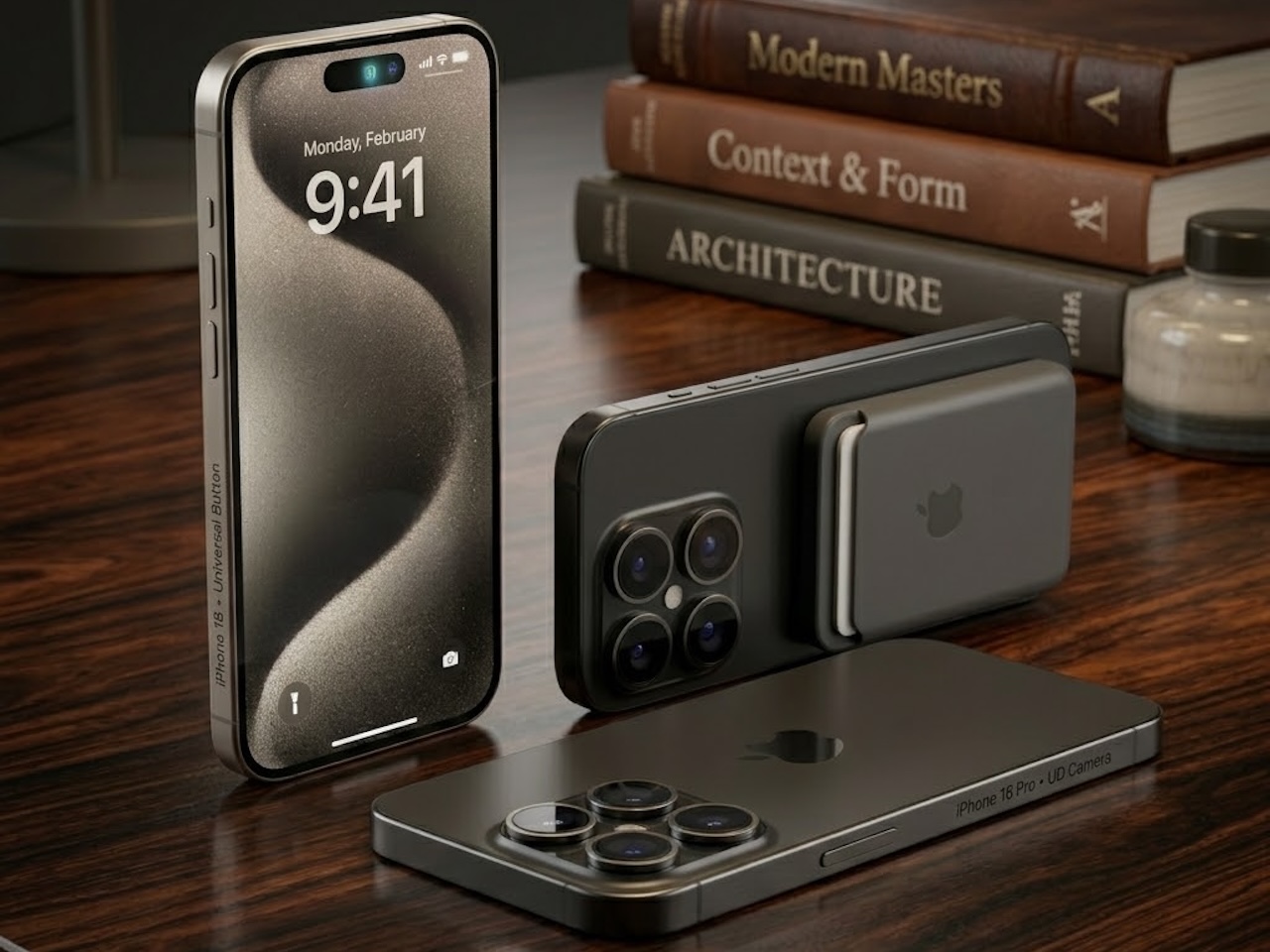
The headline claim, sourced from multiple Asian supply-chain reports, is that the iPhone 18 Pro and Pro Max will hide the Face ID sensor stack beneath the display. If accurate, that would shrink the Dynamic Island into a single pinhole cutout for the front camera, a design Apple has been telegraphing for years.
The technical hurdle has always been transmitting IR dot projection and reading depth data through OLED pixels without degrading recognition speed. Leakers say Apple has finally cleared that bar, but expect the front camera itself to remain visible until at least 2027. For the wider picture on Pro hardware, including the four-color dummy-model leak and the 2nm A20 Pro chip, see iPhone 18 Pro Max Dummy Models Leak: Here’s What to Expect Before September.
A variable-aperture main camera
The second Pro-only upgrade is a mechanical variable aperture on the main camera, similar to what Huawei and Samsung have shipped on their flagships. Instead of the current fixed f/1.78, the lens would step through a wider, adjustable range, letting users control depth of field directly rather than faking it in software.
For Apple,…