iFlytek launches AI glasses as privacy concerns grow over wearable cameras
iFlytek launches AI glasses as privacy concerns grow over wearable cameras
Publish Date: 2026-06-02 11:00:00
Source Domain: www.biometricupdate.com
iFlytek has launched a new pair of AI smart glasses aimed at turning the category from a novelty device into a practical tool for translation, office work, and real-time communication, as the broader market for camera-equipped wearables faces growing scrutiny over privacy, recording, and facial recognition.
The Chinese AI company introduced the iFlytek AI Glasses at BEYOND Expo 2026 in Macau, positioning the device as a “super AI assistant” that can sit directly in front of the user’s eyes rather than inside a phone.
The company had previously showcased the glasses at MWC26 in Barcelona, where it described the device as combining real-time visual and voice translation in a lightweight wearable, and highlighted its lip-movement-based multimodal noise reduction system.
At the Barcelona launch, iFlytek tied the product to its broader “AI for Use” and “AI for Trust” strategy, which emphasizes practical AI deployment and secure, compliant architecture.
The launch comes as smart glasses are moving from experimental hardware into a more aggressive commercial phase. Meta’s Ray-Ban Meta glasses, developed with EssilorLuxottica, have already expanded into Asian markets including Japan and South Korea.
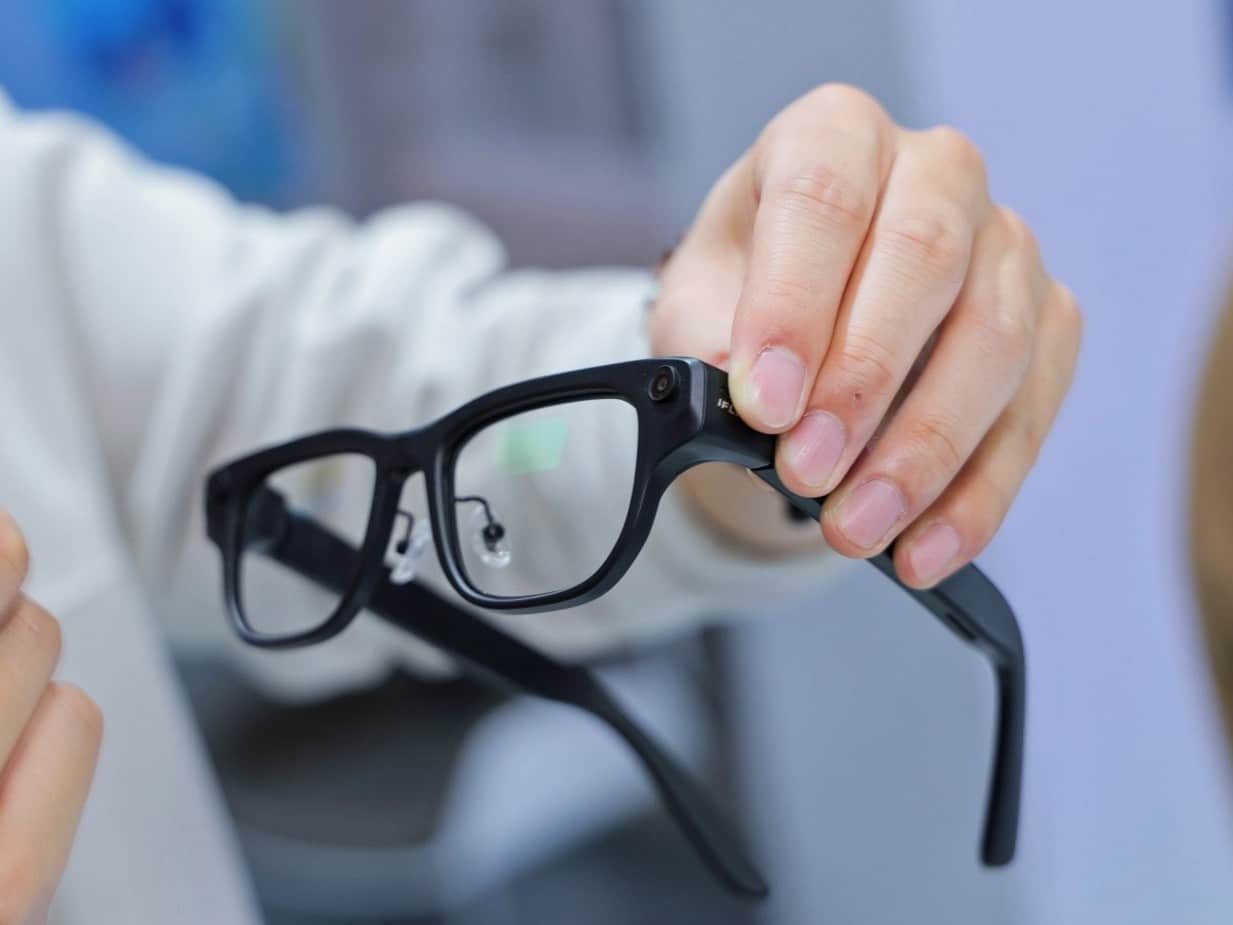
The iFlytek glasses weigh about 40 grams and use a resin waveguide display. They are priced at 4,299 yuan, or about $635.
iFlytek says the glasses support real-time translation across 122 languages, accents and dialects, including face-to-face translation, phone calls, online meetings, and augmented reality translation of text from menus, road signs, and presentation slides.
The more technically significant feature may be the company’s noise recognition system. iFlytek says the glasses combine a 5+1 microphone array, cameras, and bone-conduction technology with lip-motion recognition to identify the person the wearer is looking at and isolate that person’s speech in crowded environments.
The company describes the feature as a “hear who…