“Leave it to Surface to do it best”: Privacy screens are changing, and I dug into how Microsoft’s approach differs from HP, Lenovo, and Dell
https://www.windowscentral.com/hardware/surface/surface-privacy-screen-hp-lenovo-dell-history
Publish Date: 2026-05-24 10:00:00
Source Domain: www.windowscentral.com
Cale Hunt
(Image credit: Windows Central)
What I’m working on this week: Unseasonal weather has forced me indoors, where I’m happy to begin my Forza Horizon 6 journey. Otherwise, I’m cheering for the last Canadian team remaining in the NHL playoffs.
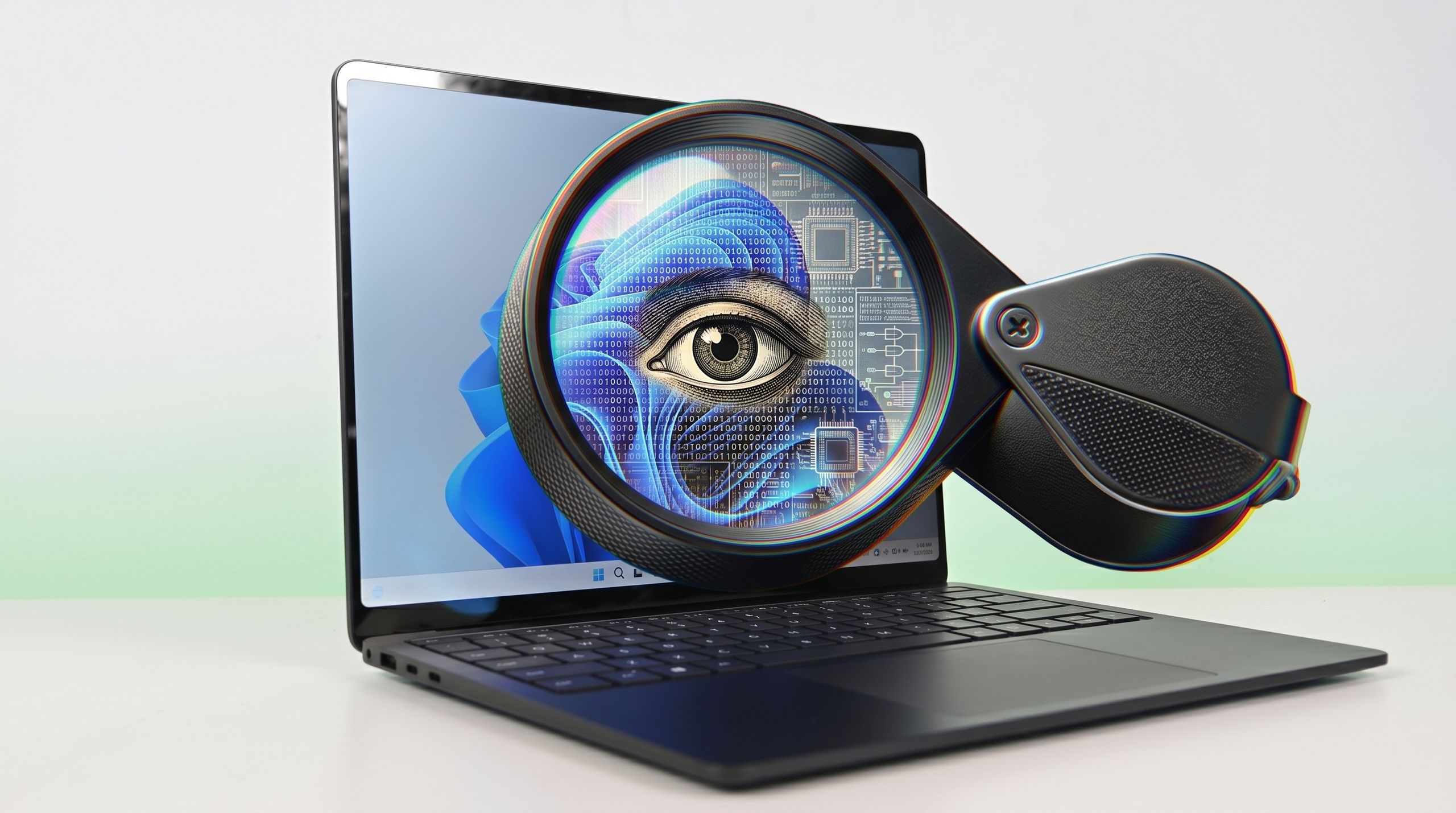
Microsoft’s new Surface Laptop for Business (8th Edition), aka the Surface Laptop 8, has one defining feature that I think is reason enough for many to seek a generational upgrade.
I’m talking about the integrated privacy screen, a first for any Surface product and a key tool in a busy professional’s fight against data security.
It’s an optional upgrade that’s only available on the 13.8-inch Surface Laptop 8, but hey, at least it’s something that further separates the “for Business” and regular consumer Surface devices.
You may like
Surface isn’t the only brand offering integrated privacy screens, nor was it the first. Far from it. I’m going back to when this sort of privacy feature first arrived at HP, and I’m taking a look at how it’s been implemented by some of the big laptop brands in the following years.
Which brand had the first integrated laptop privacy screen?
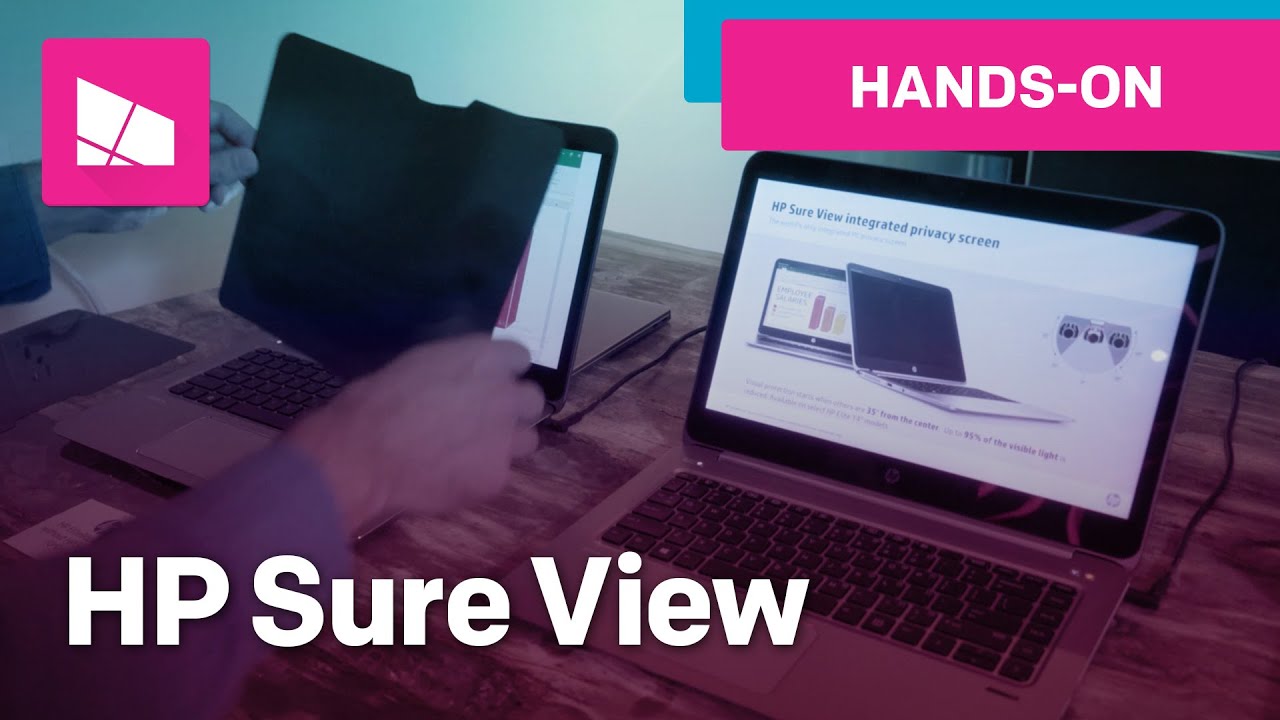
HP Sure View: World’s first integrated privacy screen – YouTube
Watch On
Surface is far from the first laptop to feature an integrated privacy screen. HP’s Sure View method made its debut in 2016 on the EliteBook 840 G3 and EliteBook 1040 G3, and we actually have a hands-on video with the original implementation, which I’ve embedded above.
Blast from the past
The top comment on the 2016 Sure View video reads, “They already have this. It’s called screens with crappy viewing angles…” Sometimes it’s nice to be reminded of how far display tech has come in the last decade!
Like any good privacy screen, HP’s Sure View was capable of cutting out 95% of visible light when viewed from an angle, effectively making the screen impossible to see if you weren’t sitting head-on like the actual user.
It wasn’t a permanent…