Generative artificial intelligence (AI) is erasing the line between reality and illusion to the point where seeing is no longer believing. We need a social and legal framework that will separate real-world images from those generated by AI, as well as technical innovations, such as universal “AI watermarks,” that will help viewers immediately distinguish real images from fake ones. Without such a framework in place, we risk losing the trust that real-world photography brings. And that would be a disaster for democracy.
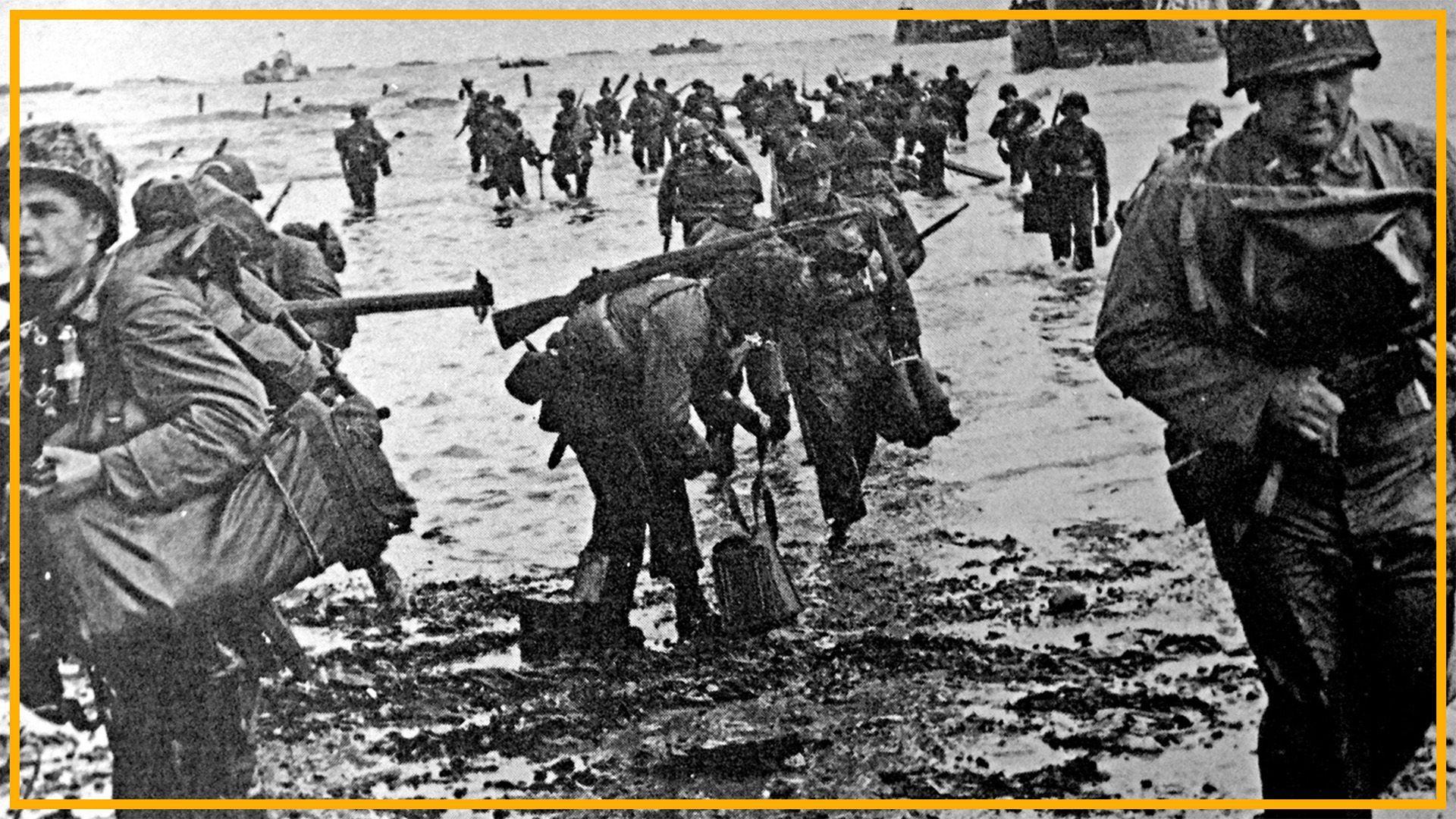
On June 6, 1944, Allied forces stormed the beaches of Normandy. The photographs that emerged — grainy, blurred, chaotic — did more than document history; they shaped it. For millions who would never see the battlefield, those images became the war — visceral proof of sacrifice, courage and collective purpose. They transcended language, collapsing distance between the observer and the event.
The same can be said of other defining moments. The lone figure standing before tanks in Tiananmen Square. The falling man from the World Trade Center. The lifeless body of 3-year-old Alan Kurdi on a Turkish shore. These images are not merely records; they are cultural touchstones. They form a shared visual substrate upon which public understanding — and, often, political will — is built. They allow societies to coordinate emotion, judgment and action at scale.
You may like
But what happens when that substrate erodes?
Advances in generative AI make it possible to create images that are not only realistic but emotionally compelling and contextually plausible. Unlike earlier forms of manipulation, which required skill and often left detectable traces, today’s synthetic images can be produced rapidly, cheaply and at scale. They can depict events that never occurred and people who never existed, in scenes that nevertheless feel uncannily authentic. And AI image generators are getting better.