AI already drives our purchases: the $15 trillion rise of Agentic Commerce
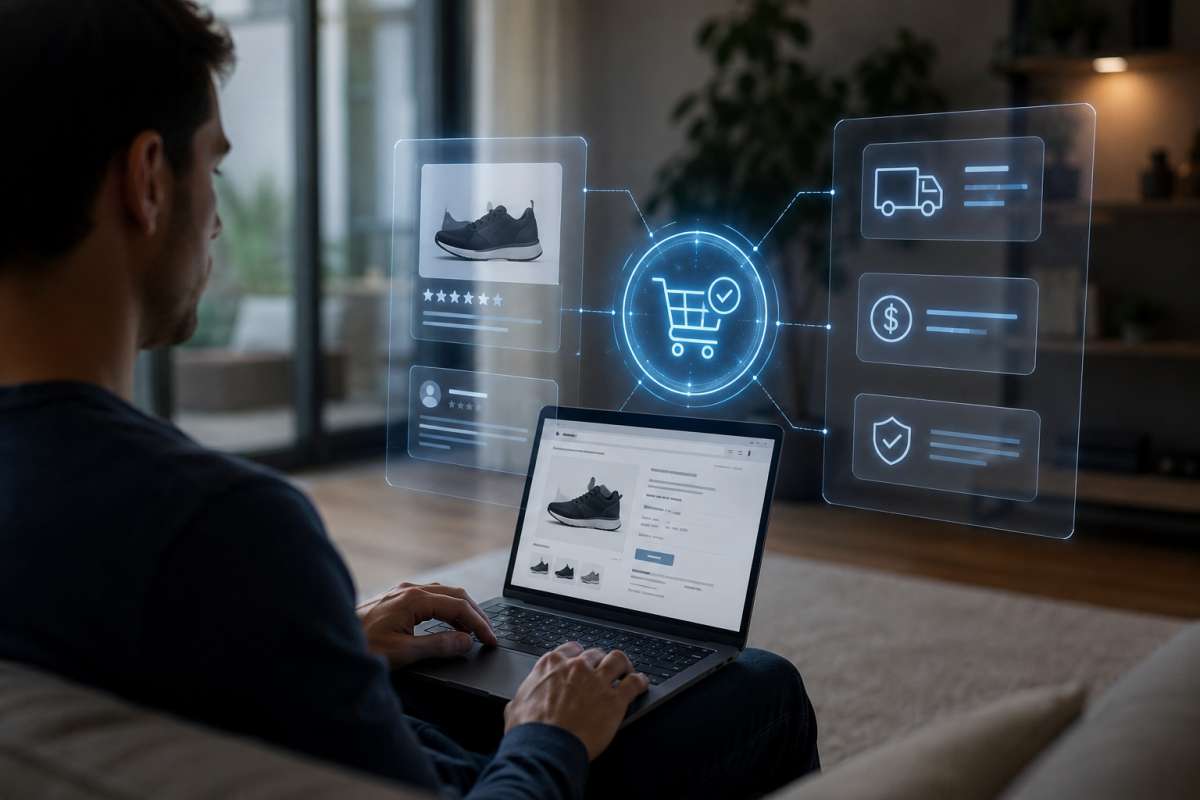
AI already drives our purchases: the $15 trillion rise of Agentic Commerce
Publish Date: 2026-05-23 01:20:00
Source Domain: www.escudodigital.com
A new scenario has already opened up: what happens when the decision-maker in purchasing is no longer a human consumer? Artificial intelligence not only answers questions or recommends products.
New autonomous agents are beginning to take on complete tasks: comparing prices, analyzing reviews, checking availability, and executing decisions on behalf of the user.
Purchasing ceases to be a traditional process and becomes an automated operation based on data, patterns, and previous preferences.
The phenomenon has a name that is gaining prominence among major tech companies, consultants, and specialists: Agentic Commerce.
Agentic Commerce no longer acts like a person
Currently, around 900 million people use ChatGPT weekly, and about 2 billion consult AI-based integrated response systems monthly.
Simultaneously, the traffic generated from artificial intelligence tools to e-commerce platforms recorded a 4,700% year-on-year growth during the last major holiday shopping season.
The forecasts are even more striking. Gartner estimates that by 2028, AI agents could manage up to 15 trillion dollars in B2B operations.
The magnitude of the figure anticipates, unsurprisingly, a structural change and not a mere passing trend.
Spain has already begun to adopt this change
And no, it is not a phenomenon reserved for Silicon Valley or large international markets; it has also arrived in Spain.
13% of Spanish consumers already use AI-based tools during purchasing processes. Additionally, one in three users turned to conversational systems to compare prices during the last Black Friday.
There is also a particularly relevant fact: artificial intelligence has already become one of the most reliable sources for shoppers, surpassing elements that have dominated consumption decisions for years, such as influencer recommendations, traditional reviews, or digital advertising.
This radically changes the logic of marketing.


