The global race for AI sovereignty: Why countries are fighting to control their artificial intelligence future
Publish Date: 2026-05-19 15:17:00
Source Domain: news.az
Artificial intelligence is no longer viewed merely as a technological innovation. Around the world, governments increasingly see AI as a matter of economic survival, geopolitical influence, military competitiveness, national security, and digital independence.
As a result, a new global competition has emerged around what experts call “AI sovereignty” — the ability of countries to develop, control, regulate, and deploy their own artificial intelligence infrastructure, models, chips, data systems, and digital ecosystems without excessive dependence on foreign powers.
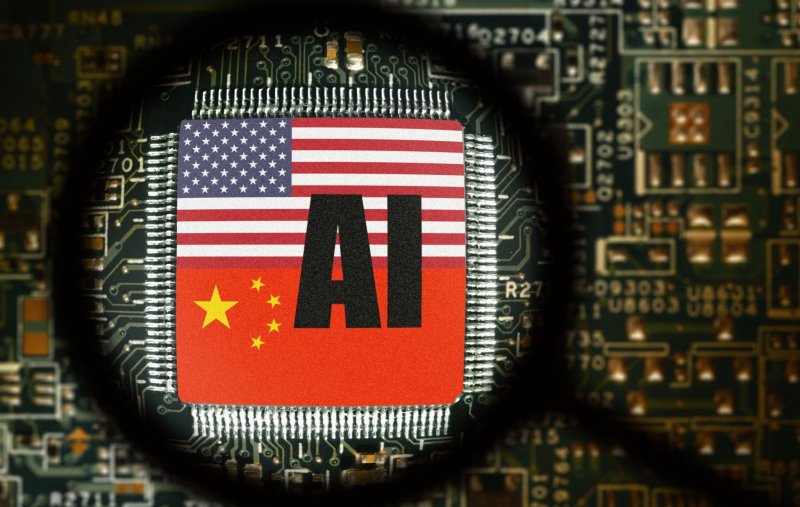
At the center of this race are the United States and China, which currently dominate most advanced AI technologies, semiconductor development, cloud infrastructure, and large language model ecosystems. However, many other countries and regions including the European Union, India, Saudi Arabia, United Arab Emirates, France, and Japan are now investing billions of dollars to avoid technological dependence and secure strategic positions in the AI economy.
Governments fear that countries unable to build sovereign AI capabilities could become permanently dependent on foreign technology companies for critical digital infrastructure, economic productivity, military systems, and even information control.
Below is a detailed FAQ explainer examining what AI sovereignty means, why it matters, and how the global competition is reshaping international politics and economics.
What is AI sovereignty?
AI sovereignty refers to a country’s ability to independently develop, control, regulate, and deploy artificial intelligence technologies and infrastructure.
This includes several components:
– Domestic AI models and software
– Semiconductor and chip manufacturing capacity
– Data storage and cloud infrastructure
– National cybersecurity systems
– Computing power and data centers
– Local language AI systems
– Regulatory control over AI deployment
–…