Amazon quietly grabbed Apple’s impossible-to-buy Mac Studio systems and turned them into cloud servers for desperate developers
Publish Date: 2026-05-18 18:05:00
Source Domain: www.techradar.com
- AWS secures rare Mac Studios while ordinary Apple customers remain completely locked out
- Apple’s hidden 256GB Mac Studio configuration surfaced through Amazon’s cloud infrastructure unexpectedly
- AI developers exhausted Mac Studio inventory running local language models across expensive Apple hardware
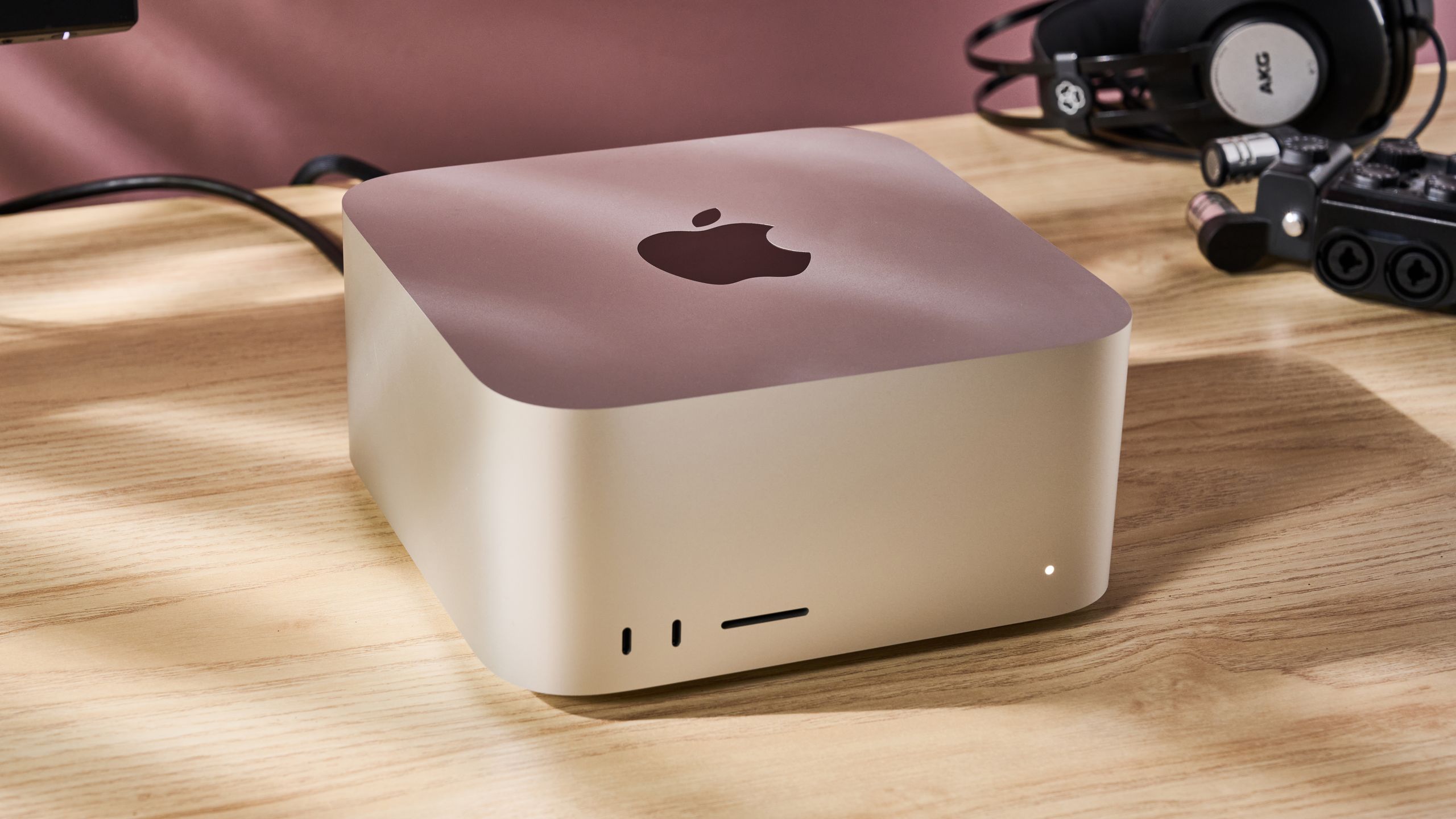
Amazon Web Services (AWS) has acquired a significant number of Apple’s Mac Studio computers, a workstation-grade desktop regular consumers currently cannot buy due to ongoing RAM shortages.
According to Apple, prospective buyers of this device will have to wait for over two months before the device arrives, as AI enthusiasts have been snapping up available stock to run local language models like OpenClaw, further constraining the already tight supply.
Apple currently sells the Mac Studio with a maximum of 96GB of unified memory for regular customers – however AWS has announced it is now offering a cloudy M3 Ultra configuration with 256GB of unified memory a specific configuration which does not appear as an option on Apple’s consumer website.
Latest Videos From
You may like

AWS taps into scarce Mac Studio supply
The Mac Studio that AWS has racked and stacked features Apple’s most powerful M3 Ultra system on a chip.
The cloudy M3 Ultra runs on actual Mac Studios that pack a 28-core CPU, a 60-core GPU, and a 32-core Neural Engine.
AWS recommends its cloud Macs as an ideal platform for developers to build and test applications for all of Apple’s operating systems.
This includes support for visionOS, the software that powers Apple’s widely unloved Vision Pro virtual reality goggles.
Apple allows users to create and run macOS virtual devices, but only on Apple hardware and with just two VMs allowed per host device.
The company also restricts the use of its virtual machines to four specific purposes, including…