More tarot readers are turning to AI for advice, another sign of our growing reliance on chatbots for emotional support
Publish Date: 2026-05-17 11:49:00
Source Domain: www.pbs.org
This article is republished from The Conversation.
If you’ve ever turned to artificial intelligence to try to figure out how to handle a tricky situation with a friend or colleague, you’re far from alone. For many, AI has become a modern oracle – a source of guidance, emotional support or clarity in moments of uncertainty – though critics worry that they could lead to emotional dependence on the technology.
Of course, the urge to seek answers from forces beyond ourselves is hardly new. For generations, people have turned to psychics, astrology charts or tarot cards for reassurance.
Once fringe, these practices have increasingly become mainstream. According to a 2025 Pew Research survey, nearly 1 in 3 Americans consult tools such as tarot or astrology at least once a year, interest that’s thought to largely be fueled by Gen Z and social media.
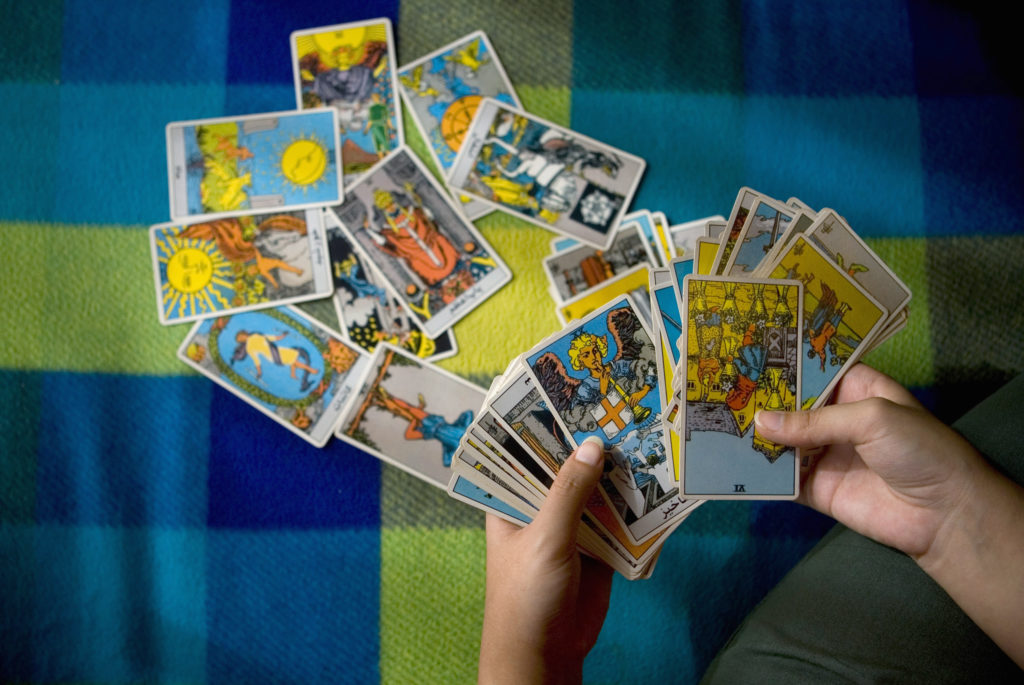
Now, we’re seeing these two forces – AI and occult practices – meeting in strange and fascinating ways. An increasing number of tarot readers, from novices to seasoned practitioners, have been turning to AI to help make sense of their tarot readings.
What makes this pairing so striking is that interpretation is the whole point of tarot. And yet AI often brings little knowledge of your history or your unique situation when it dispenses advice.
In a study published in April 2026, we examined which aspects of the practice that tarot readers were delegating to AI, and how the technology was shaping their interpretations.
The mainstreaming of occult practices
Tarot cards are experiencing a revival.
Tarot did not start out as a spiritual or fortune-telling tool. It began as a popular card game in the Italian Renaissance, before spreading across Europe.
Over time, readers and occultists layered the cards with mystical symbolism drawn from Kabbalah, Egyptology, numerology and other mystical and symbolic traditions. In the early 20th century, the British publisher William Rider & Son released the…