Dr. “GPT” tells OSF physicians AI will transform disease detection and patient care
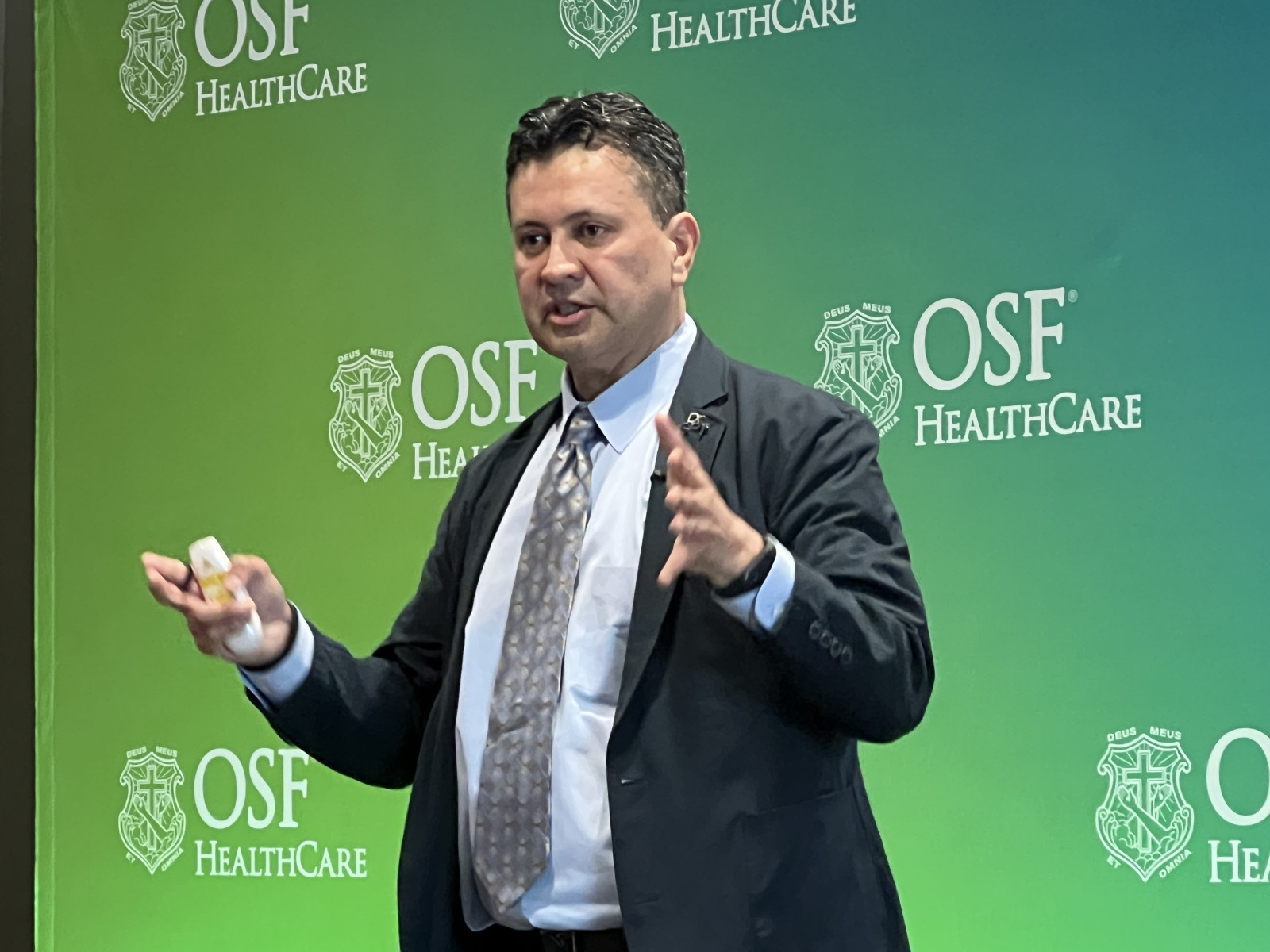
Dr. “GPT” tells OSF physicians AI will transform disease detection and patient care
Publish Date: 2026-05-14 17:52:00
Source Domain: newsroom.osfhealthcare.org
A physician and artificial intelligence expert is telling health care leaders at Peoria, Illinois-based OSF HealthCare that AI is rapidly reshaping medicine and could dramatically improve early disease detection, patient care and diagnostic speed in the coming years.
Harvey Castro, MD, known professionally as “Dr. GPT,” highlighted the growing role of artificial intelligence in health care during an OSF Innovation Showcase at Jump Trading Simulation & Education Center, emphasizing its potential to shift medicine from a reactive system to one focused on prevention and predictive care.
During an interview ahead of his presentation, Castro said people don’t come to the emergency department until something’s wrong, but he thinks advances in AI-powered predictive analytics could give health care providers opportunities to intervene before diseases progress.
“Now we’re going to be able to do predictive analytics and know that you’re going to have a heart attack in five years, 10 years from now. Or, like I was saying, this conversation you could say, ‘You know what, the AI is detecting that Dr. Castro has prediabetes and I didn’t know that. And so now the AI is telling me. Now, I’m like wait I need to lose weight, I need to take care of myself, and now I don’t even get diabetes because I’m jumping on it years before the actual condition.”
AI will speed time to diagnosis
Dr. Castro suggests that today’s five-year-old could live to 150 because of the advancements in longevity that artificial intelligence will bring. He also highlighted the technology’s potential in pediatric medicine and rare disease diagnosis, where patients and families often wait months or years for answers. AI systems trained to recognize patterns in symptoms and medical histories could help physicians identify rare conditions faster and begin treatment sooner.
“But what if we could take that year and a half and crunch it down to a day or two, and now we…