Agentic AI and the future of cybersecurity
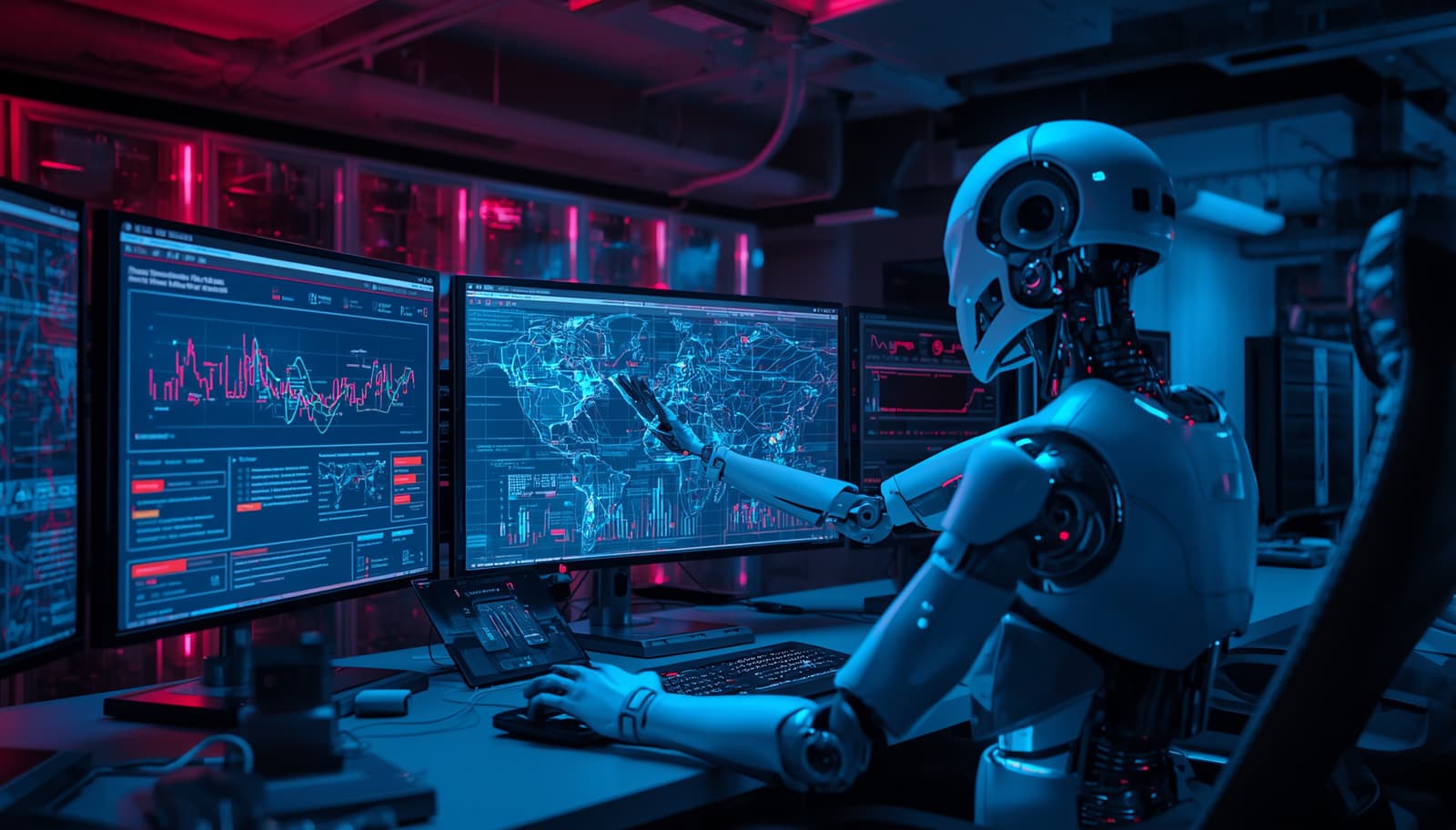
Agentic AI and the future of cybersecurity
https://dig.watch/updates/agentic-ai-role-in-the-future-of-cybersecurity
Publish Date: 2026-05-13 04:49:00
Source Domain: dig.watch
With the rapid expansion of AI technologies, agentic AI is rapidly moving from experimentation to deployment on a scale larger than ever before. As a result, these systems have been given far greater autonomy to perform tasks with limited human input, much to the delight of enterprise magnates.
Companies such as Microsoft, Google, Anthropic, and OpenAI are increasingly developing agentic AI systems capable of automating vulnerability detection, incident response, code analysis, and other security tasks traditionally handled by human teams.
The appeal of using agentic AI as a first line of defence is palpable, as cybersecurity teams face mounting pressure from the growing volume of attacks. According to the Microsoft Digital Defense Report 2025, the company now detects more than 600 million cyberattacks daily, ranging from ransomware and phishing campaigns to identity attacks. Additionally, the International Monetary Fund has also warned that cyber incidents have more than doubled since the COVID-19 pandemic, potentially triggering institutional failures and incurring enormous financial losses.
To add insult to injury, ransomware groups such as Conti, LockBit, and Salt Typhoon have shown increased activity from 2024 through early 2026, targeting critical infrastructure and global communications, as if aware of the upcoming cybersecurity fortifications and using a limited window of time to incur as much damage as possible.
In such circumstances, fully embracing agentic AI may seem like an ideal answer to the cybersecurity challenges looming on the horizon. Systems capable of autonomously detecting threats, analysing vulnerabilities, and accelerating response times could significantly strengthen cyber resilience.
Yet the same autonomy that makes these systems attractive to defenders could also be exploited by malicious actors. If agentic AI becomes a defining feature of cyber defence, policymakers and companies may soon face…