Watch Newly Deciphered Sabotage Malware May Have Targeted Iran’s Nuclear Program—And Predates Stuxnet
Publish Date: 2026-04-29 03:00:00
Source Domain: www.wired.com
A mysterious piece of sabotage-focused malware
known as FAST16 has after many years
finally been deciphered.
It’s a piece of code designed to silently tamper with
and corrupt calculations and research
and engineering software.
This malware seems to have been created by the US
or an ally,
and it may have been used against Iran’s nuclear program.
It also rewrites the entire history
of state-sponsored cyber sabotage operations as we know it.
Let’s start at the beginning.
Fast16 first came to light in April, 2017,
when the hacker group known as Shadow Brokers
leaked a vast collection of NSA tools.
One of those tools appeared designed to help NSA operators
who were hacking into networks around the world
avoid conflicts with other hacking operations.
That program merely notes for Fast16,
Nothing to see here, carry on,
strongly suggesting FAST16 was created by the US
or an allied country.
It wasn’t until 2019 that cybersecurity researcher,
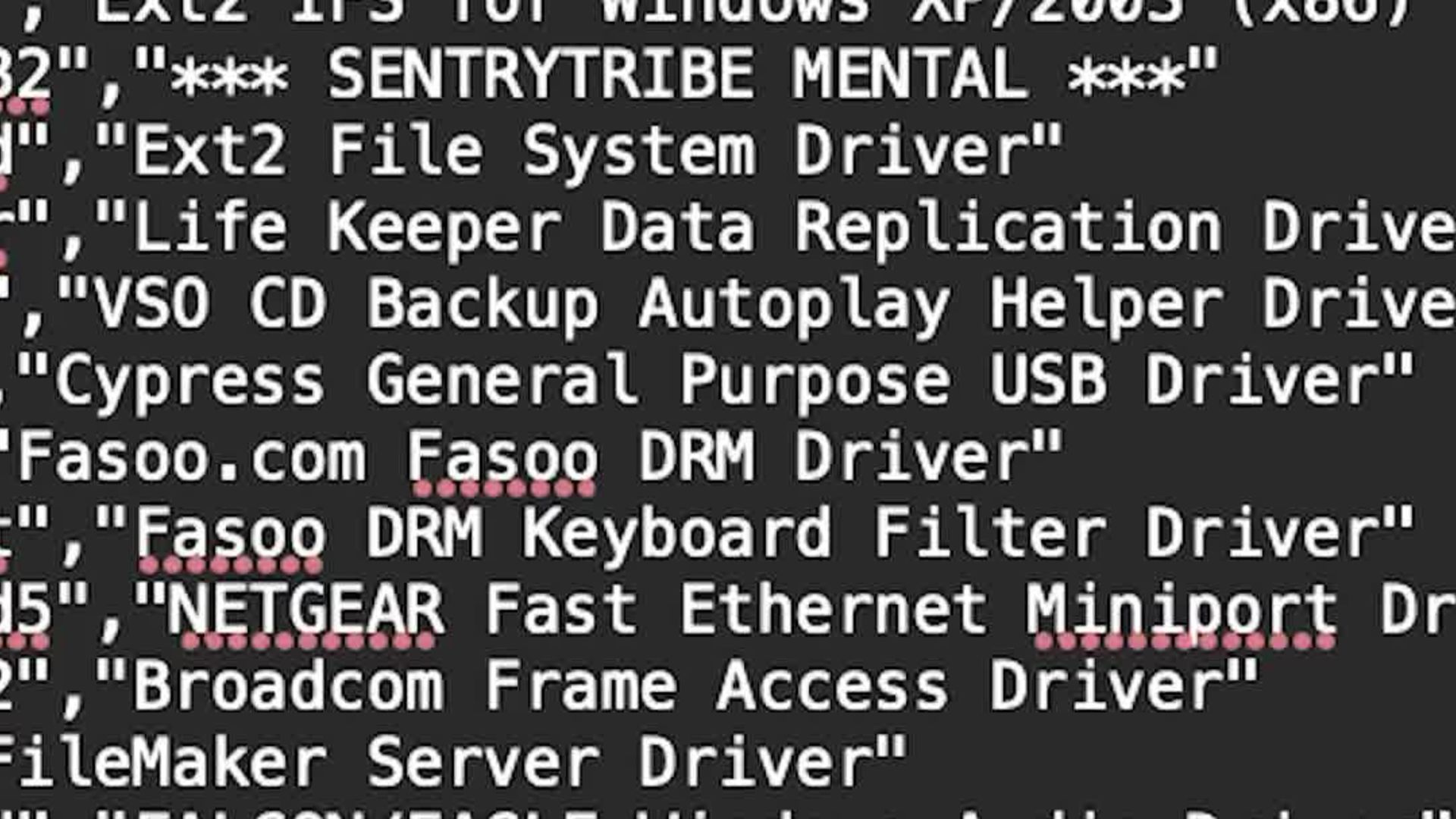
Juan Andres Guerrero-Saade found the actual code for FAST16
which dates back to 2005.
That means it was created even before the legendary Stuxnet,
malware that the US
and Israel deployed against Iran in 2007
to silently accelerate nuclear enrichment centrifuges
until they destroyed themselves.
It still took another seven years to figure out
what Fast16 actually did.
Now, Guerrero-Saade
and his colleague, Vitaly Kamluk,
at cybersecurity firm SentinelOne say they’ve cracked it.
Fast16 was designed to carry out the most subtle form
of sabotage ever seen in a malware tool found in the wild.
This malware can, according to researchers,
automatically spread within a network
and silently alter the results of programs
that perform high-precision mathematical calculations
and simulate physical phenomena
while remaining almost undetectable.
Through these invisible manipulations,
Fast16 can cause failures
that range from faulty research results
to catastrophic damage to real world equipment.
The researcher’s analysis of the tool
has produced an unconfirmed, but still tantalizing theory
that it…