Who leads, who lags in cybersecurity
Who leads, who lags in cybersecurity
https://thephilbiznews.com/2026/04/22/who-leads-who-lags-in-cybersecurity/
Publish Date: 2026-04-21 19:18:00
Source Domain: thephilbiznews.com
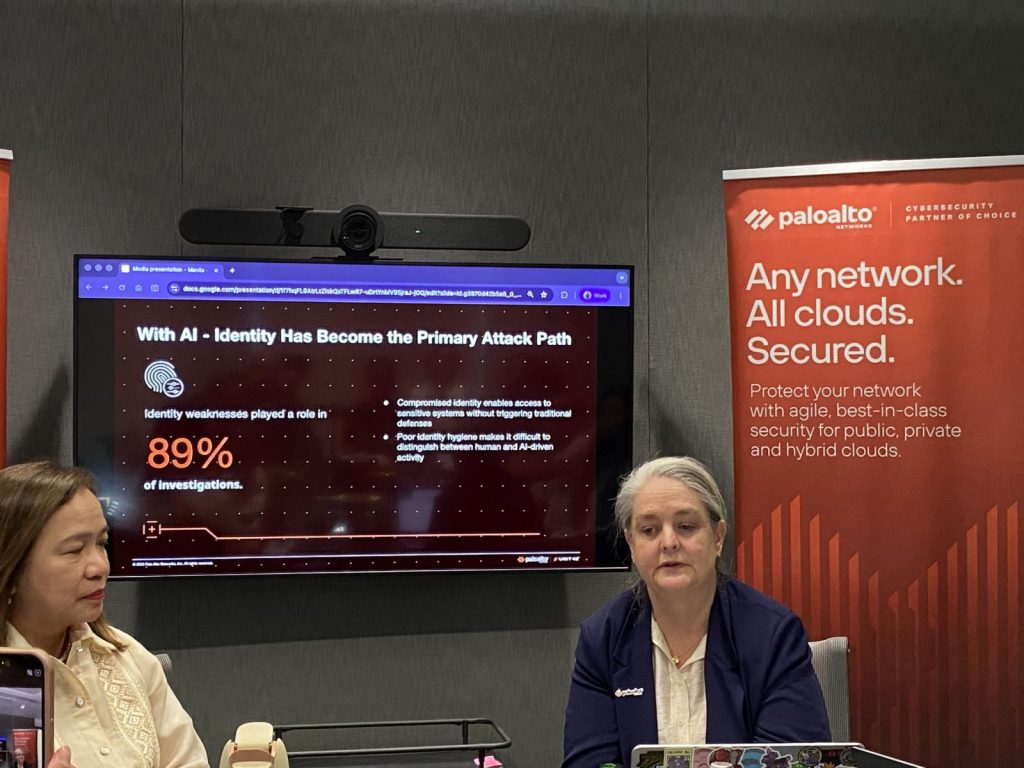
Highly regulated industries such as banking and telecommunications are leading the way in cybersecurity, while more complex and less coordinated sectors like healthcare, remain among the most vulnerable, according to a cybersecurity executive from Palo Alto Networks.
Nicole Quinn, Vice President for Policy and Government Affairs for Japan and Asia Pacific at Palo Alto Networks, said organizations that understand the value of their data and the risks of losing it tend to invest more in protecting their systems.
“The financial sector have often been very forward leaning… they’re protecting someone’s money. If they got that wrong, you know, that’s their business model,” Quinn said.
She explained that industries handling sensitive data or critical services are naturally more cautious, as their operations depend heavily on secure digital infrastructure.
“We see it in high-risk… companies who recognize that the data that they had, or the services that they provide, rely on that data infrastructure,” she added.
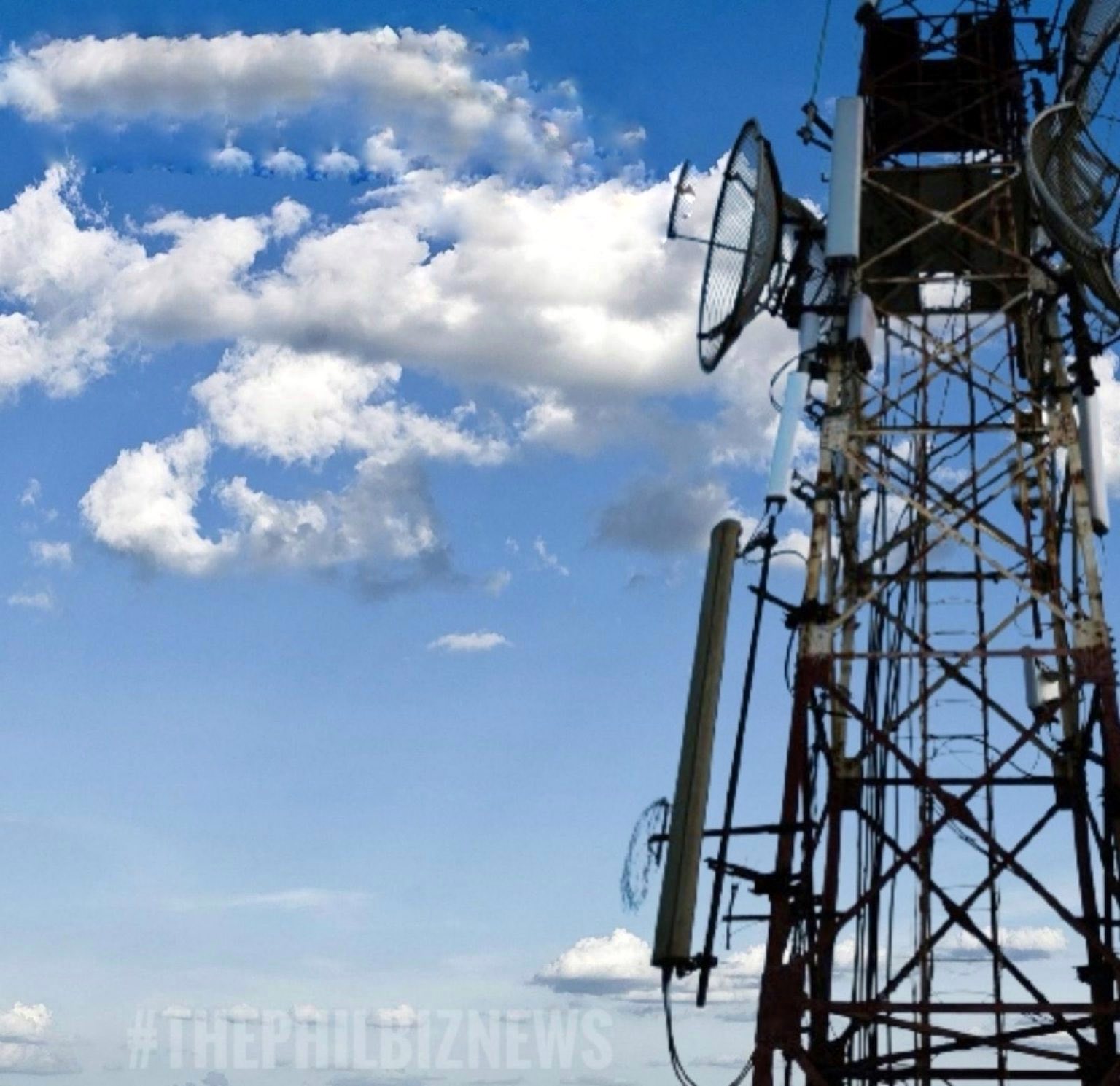
FILE PHOTO
These sectors include banking, telecommunications, and other industries considered vital to national and economic security.
According to Quinn, government regulation has played a key role in pushing these organizations to strengthen their cyber defenses.
“The banking and financial sector, for example, the telecommunications sector, those areas where we recognize that these were at the heart of our economic and national security… they are often more forward leaning in this type of security posture,” she said.
Parts of government also fall into this category, particularly those dealing with national defense and intelligence.
“There’s certainly elements of government… the obvious one… would be that defense national security lens,” Quinn said.
However, not all sectors are equally prepared. Quinn pointed to healthcare systems as a major concern, citing structural complexity and fragmented operations as key weaknesses.
 Source