Even in 2026, Linux Is Still Adding Support for Sega Dreamcast’s GD-ROM from the ’90s
Even in 2026, Linux Is Still Adding Support for Sega Dreamcast’s GD-ROM from the ’90s
https://itsfoss.com/news/linux-draeamcast-gd-rom-support/
Publish Date: 2026-04-06 12:48:00
Source Domain: itsfoss.com
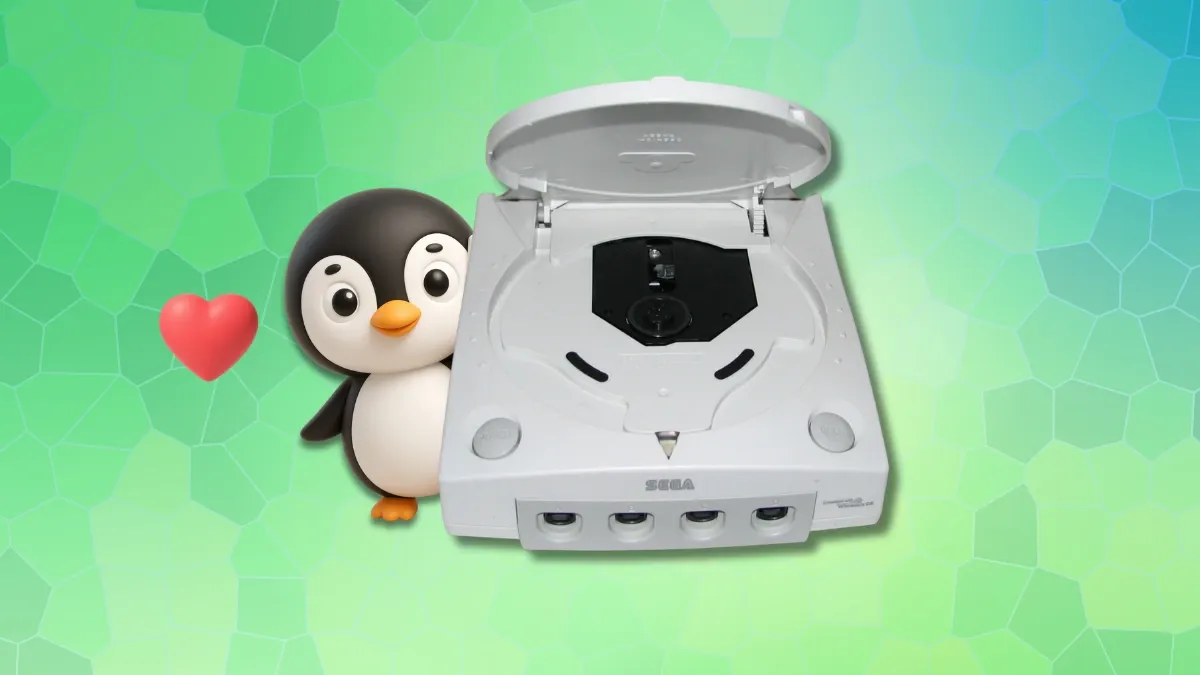
Another morning, another moderately (but pleasantly) surprising move in the Linux development storyline. In the big 2026, Linux is definitively fixing its support for the GD-ROM driver, which is used by Sega Dreamcast.
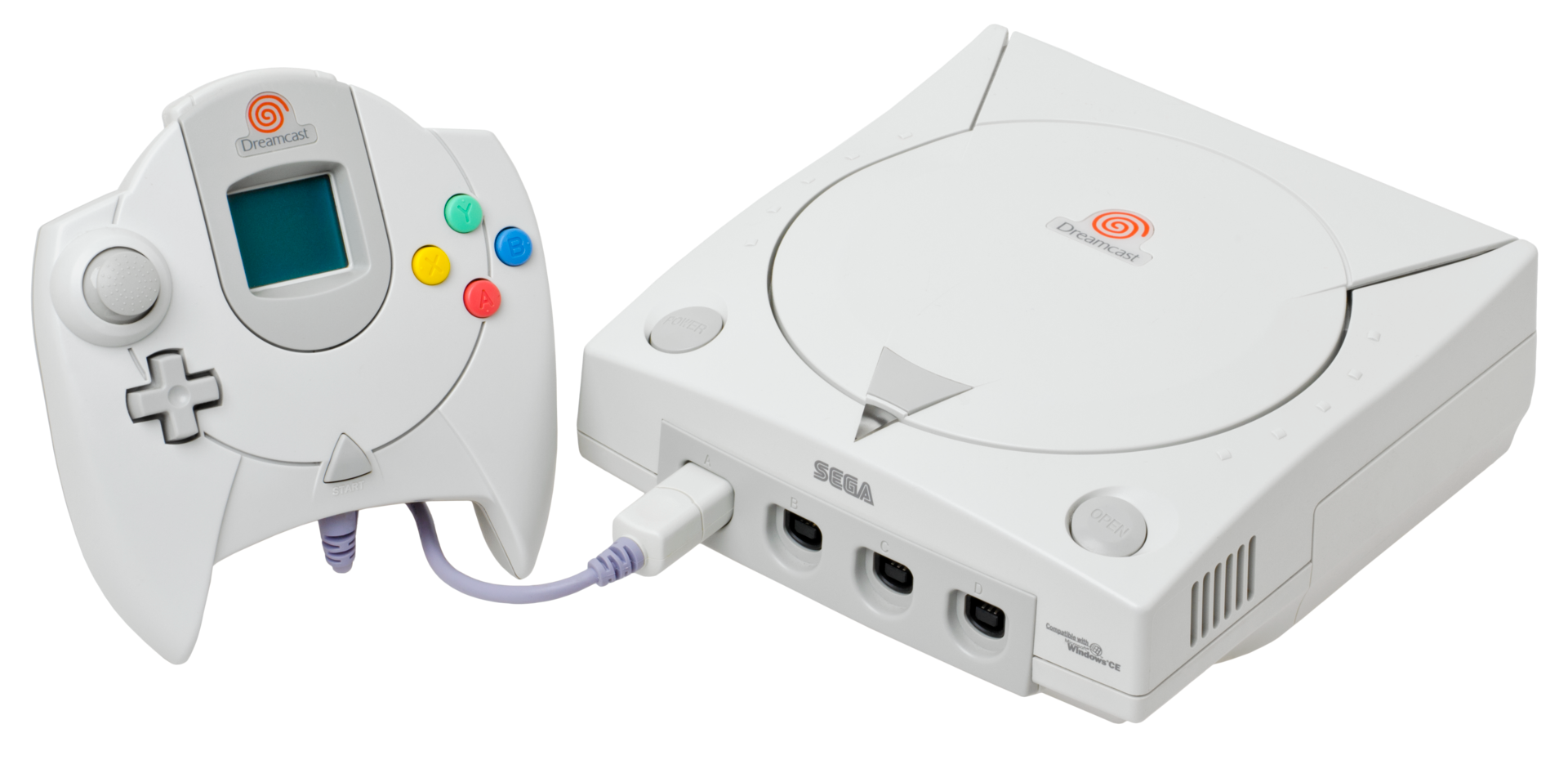
Sega what?
For context, Sega Dreamcast is a gaming console made by Sega and released in 1999. At the time, Sega came up with a proprietary disc format called GD-ROM, which could store more data than a normal, everyday CD-ROM disc. This gave Sega an edge in their game storage as well as performance.
Even though it had to take on a giant opponent, the PlayStation 2, Sega did well with its Dreamcast. It had a robust set of titles to start with, like “Jet Set Radio,” “Phantasy Star Online,” “Crazy Taxi,” “Sonic Adventure,” and “Soul Calibur.” It had equally robust hardware, with a unique controller and a proper arcade feel that the people got attached to. The Dreamcast still, however, maintains a cult following, with new titles being developed for it even now.
The unsurprisingly brilliant part of all this is the endurance that open source development has always shown, and still shows. The arrival of support for something that was fresh almost 27 years ago now, with only an infinitesimal part of the community asking for it is not a minor feat, it is a testament to the core philosophies of FOSS. The beautiful cornerstone principle of open source software is that it exists mostly and purely because the developers want good software to exist. There are no bounds to the whimsy and personal gratification that they can bring.
It has been known that Linux gives a second life to old hardware, making it usable when the software that it came with has already discarded the possibilities. Posts about revival of old hardware with Linux to make them into something usable, like servers or media centers or so on are very commonplace on platforms like Reddit. That extends not only to personal computers, as we can see, but also…