3 reasons why MX Linux is more popular than Ubuntu, Fedora, and Zorin OS
3 reasons why MX Linux is more popular than Ubuntu, Fedora, and Zorin OS
https://www.howtogeek.com/the-unpopular-distro-outranks-popular-distros/
Publish Date: 2026-04-06 11:30:00
Source Domain: www.howtogeek.com
Most people shortlisting distros completely skip over MX Linux. There’s no glossy marketing campaign behind it, most YouTube channels don’t cover it, and you probably won’t see it trending on social media. However, at the time of writing, MX Linux ranks number three on DistroWatch, beating popular names like Ubuntu, Fedora, and even Zorin OS—which recently got a million downloads. Here are three reasons that justify its dominant position.
DistroWatch doesn’t track active users or total downloads. Instead, it ranks distros using a metric called Hits Per Day (HPD), which measures how often a distro’s page is viewed. It’s an imperfect but useful signal of what the community is curious about. Notably, MX Linux has held this position for the past 12 months, so it’s not a fluke or the result of a viral moment.
MX Linux runs on (almost) any hardware
One distro for every type of hardware
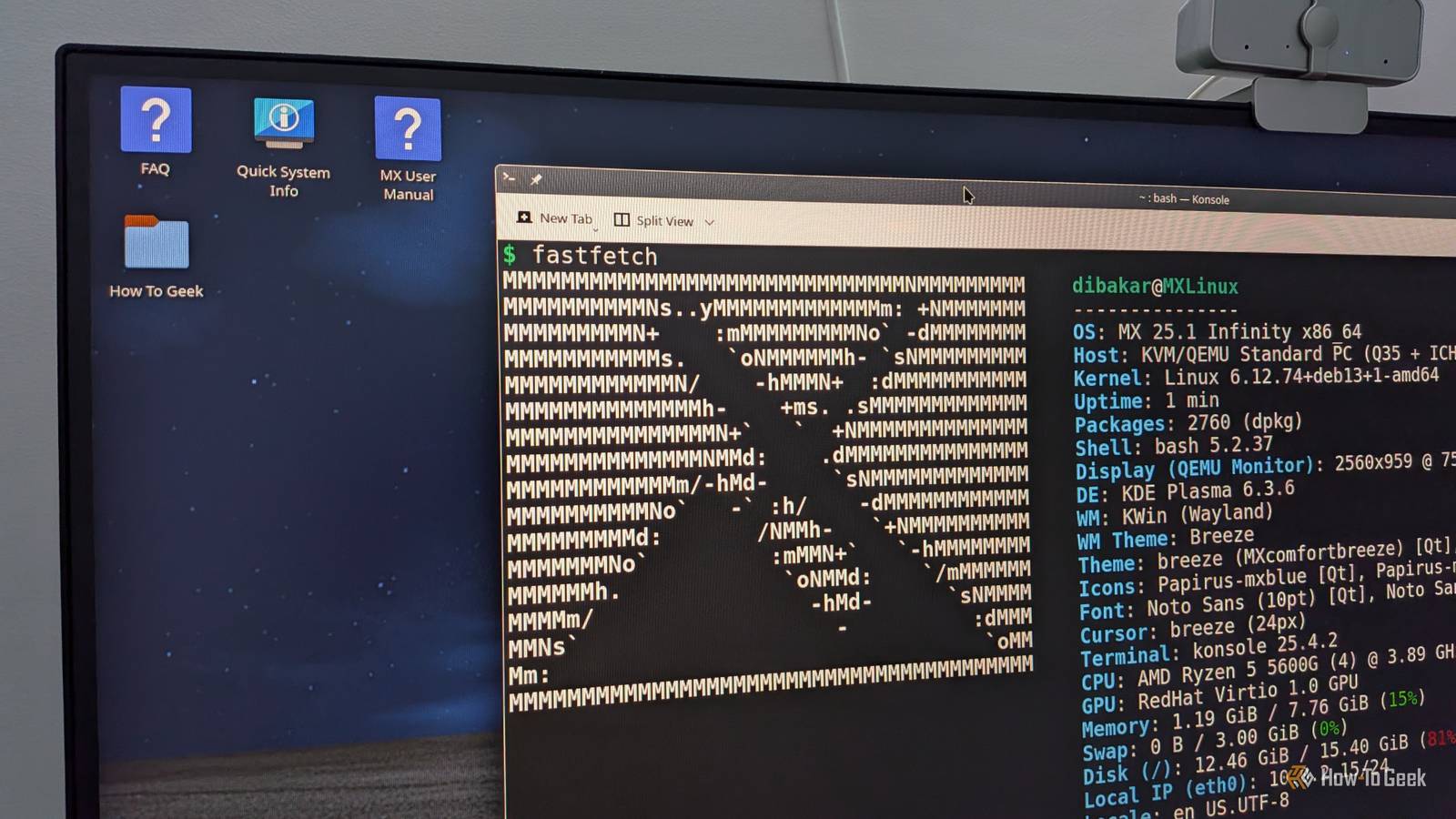
MX Linux ships in three editions, each built around a different desktop environment and targeted at a different class of hardware. KDE Plasma is designed for modern machines that can handle a visually rich, feature-heavy experience. Xfce is the default and offers a solid middle ground for systems that are a few years old. Fluxbox is aimed at genuinely under-powered machines, where even Xfce can feel heavy. There’s also an official ARM edition for the Raspberry Pi, running Xfce with the full MX tool set.
Furthermore, the distro is based on Debian Stable, and by virtue of that heritage, you get a robust and stable user experience. All the apps and software packages in its repositories go through thorough testing. The only trade-off is that its drivers may not be fully optimized for cutting-edge, high-end hardware—especially when it comes to graphics.
That said, this limitation isn’t…