this is how PAAS, Pirelli’s new technology, is born
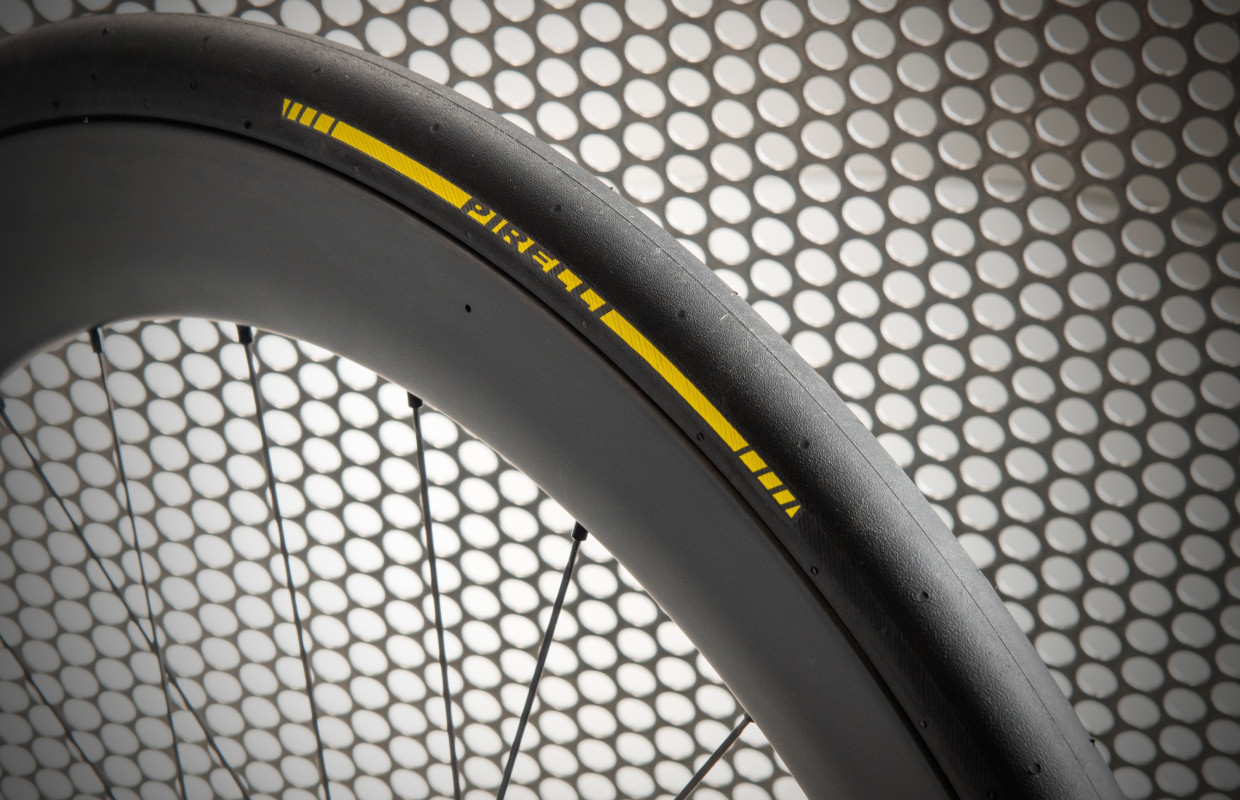
this is how PAAS, Pirelli’s new technology, is born
Publish Date: 2026-03-16 12:06:00
Source Domain: en.brujulabike.com
Pirelli has announced a new technology aimed at optimizing the aerodynamic performance of road tires without altering other key features. The innovation, called PAAS (Pirelli Advanced Aerodynamic System), is patent pending and will serve as the basis for the development of the next generation of high-performance tires from the Italian brand.
The research behind this technology focuses on the interaction between the tire, the rim, and the airflow surrounding the wheel. In today’s cycling, where deeper rims and wider tires are increasingly used, the aerodynamics of the wheel-tire combination has become a determining factor for the overall efficiency of the system. According to the company, if the tire generates turbulence or disrupts the airflow, the rim cannot fully take advantage of its aerodynamic design.
The core of the PAAS system lies in the geometry of the tire, specifically in the position of the point of maximum width once mounted and inflated on the rim. Pirelli engineers have identified a specific area where this point should be located to help the air stay attached to the sidewall of the tire for a longer time. When this occurs, flow separations are reduced, along with the vortices that increase aerodynamic drag.
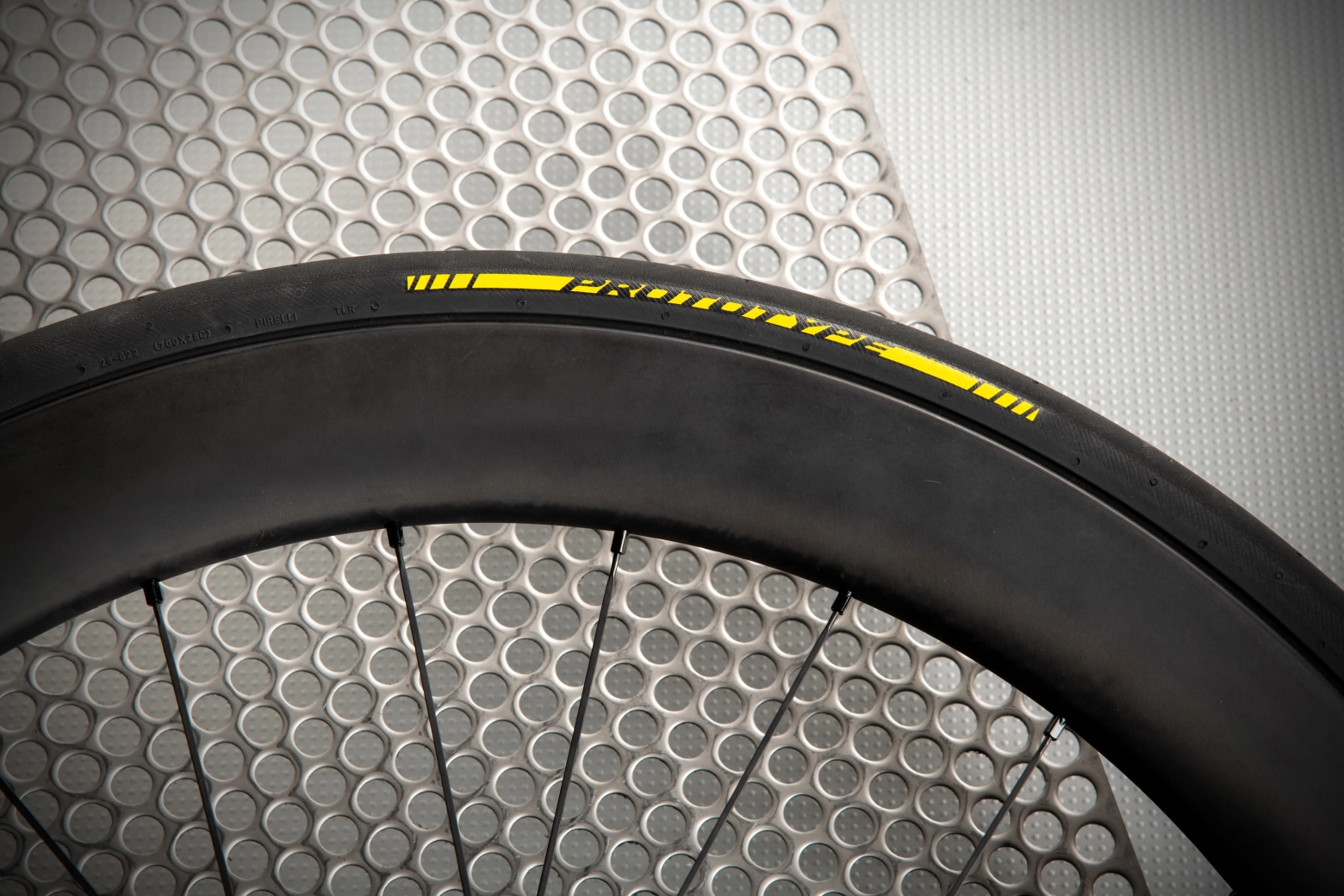
To determine this optimal position, computational fluid dynamics (CFD) tools, common in the automotive industry, were used. The development included multiple design iterations and simulations that replicated the interaction between airflow and the tire under real-world usage conditions. Subsequently, the results were verified in several wind tunnel testing campaigns conducted both by Pirelli and in collaboration with wheel manufacturers and professional teams.
More than 20% less aerodynamic drag
The brand’s internal tests show that the profiles developed with this technology, designed for tires between 28 and 35 mm wide, achieve significant reductions in aerodynamic drag compared to traditional designs. According to…