All it takes is paint and pancakes. How to boost your preschooler’s science skills
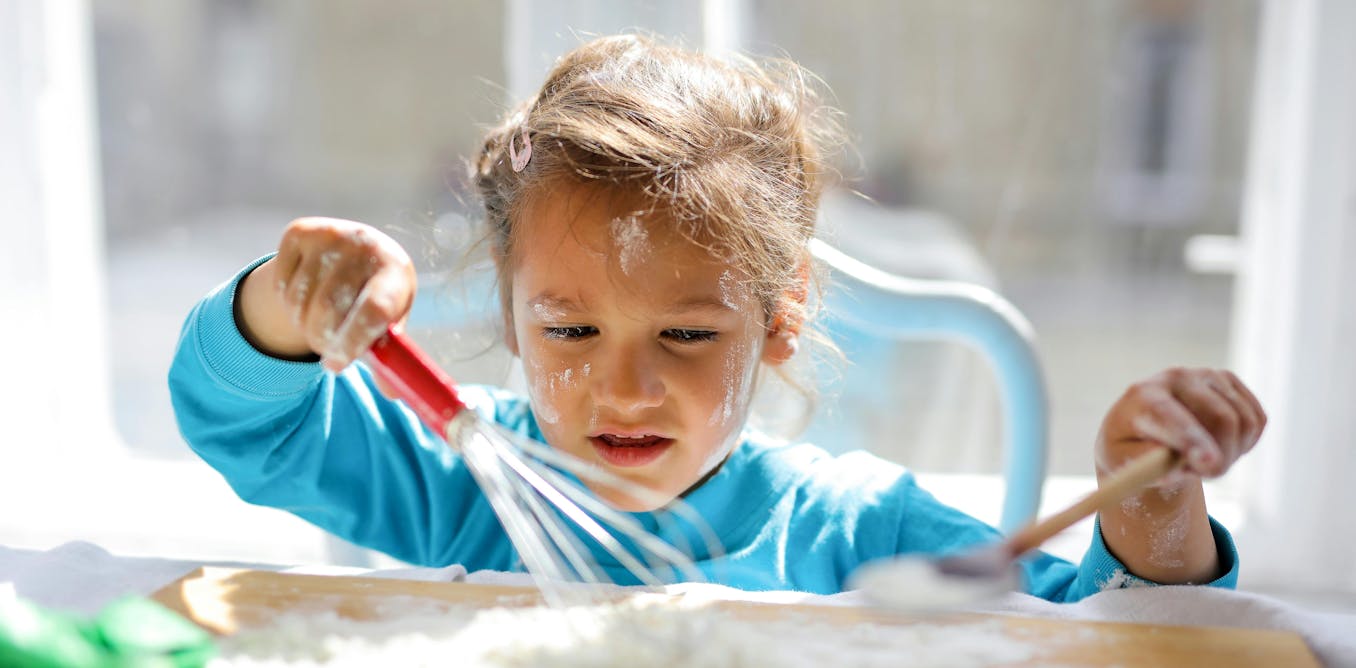
All it takes is paint and pancakes. How to boost your preschooler’s science skills
Publish Date: 2026-03-10 15:10:00
Source Domain: theconversation.com
Parents of young children will be aware of the need to encourage early reading and maths skills in their kids. They know it’s important to make time to read with their children. Or point out that “cat” starts with the letter “c”. Similarly, they will help their children begin to count (“how many sausages are on your plate?”).
But what about science skills? Studies suggest parents may not be as confident about teaching these skills in every day family life.
Our study, published in The Australian Educational Researcher outlines five practical ways parents can help their children develop their science skills and scientific literacy at home.
Parents can lack confidence
We know Australians science skills are slipping. For example, there are gaps in Year 12 enrolments in key areas including agricultural science, artificial intelligence, biotechnology, data science and climate science.
One way we can address this is by fostering scientific knowledge from a young age.
Children can gain scientific knowledge from everyday contexts. We know parents can play a significant role in extending children’s science literacy at home before they go to school.
But studies have found many parents believe they do not have adequate science knowledge to teach their children or respond to their questions.
However, parents do not need to be experts in science to do this. Simple science activities at home can gradually enhance scientific learning.
Here are five ways to do it.
1. Encourage science play at home
Helping your child’s science skills does not need to be about formal lessons and explanations. You can do this through play.
Parents can regularly arrange small activities at home to extend children’s interest in science. For this, they do not need specialised knowledge. They can build upon a child’s existing areas of interest.
For example, if a child shows interest in colours, provide three primary colours (red, yellow, and blue) in…