Making technology work through shared learning
Making technology work through shared learning
https://idronline.org/article/technology/making-technology-work-through-shared-learning/
Publish Date: 2026-03-06 01:00:00
Source Domain: idronline.org
Technology has become integral to how nonprofits design and deliver their work. Across the sector, organisations now rely on digital tools for a variety of tasks, including field data collection and community engagement. At Project Tech4Dev, we have worked with approximately 300 nonprofits through ten cohorts on tech solutions, including AI, chatbots, and data platforms. From this vantage point, one pattern stands out: A substantial gap persists between adopting a tech tool and making it work effectively in practice.
Part of the reason for this implementation gap is structural. In most nonprofits, technology is not owned by a dedicated team—it gets absorbed into existing roles. A programme manager takes on data systems; a communications professional ends up managing a chatbot; someone from the human resources team becomes responsible for a new field app. This model places tech adoption in the hands of professionals whose primary expertise and responsibilities lie elsewhere.
The result is a pattern that repeats across the sector. Organisations working on similar problems build parallel solutions like custom portals, apps, and platforms without knowing that another organisation in their orbit has already tried something similar, hit the same wall, and found a way through.

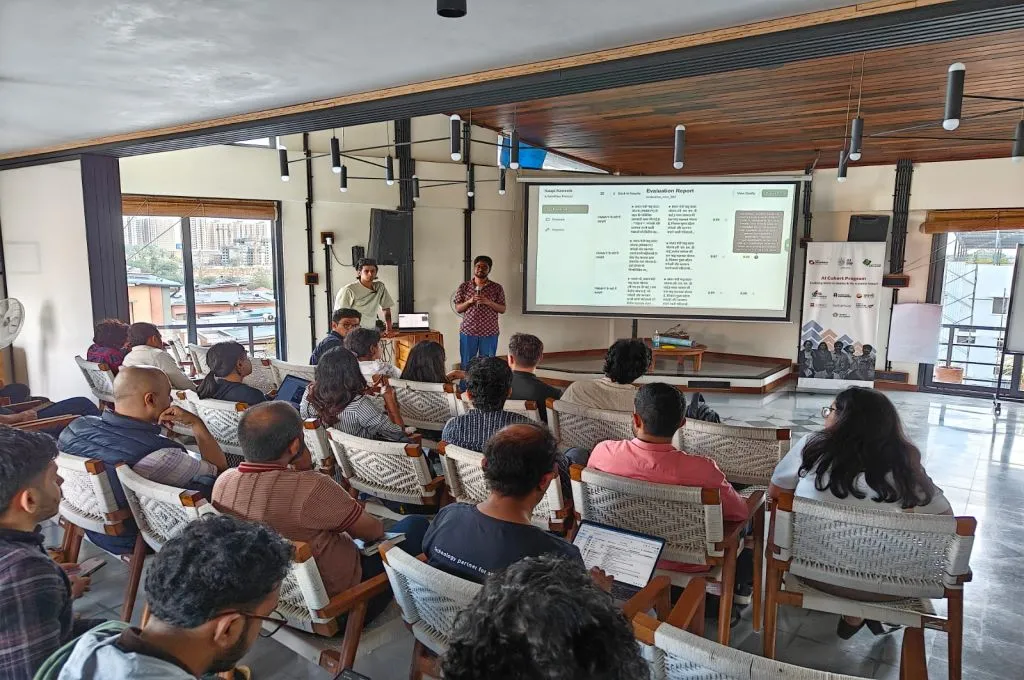
For example, Adventures Beyond Barriers Foundation spent nearly a year working with a vendor to build a chatbot with limited progress. When they joined a cohort where other organisations were working on similar tools, they were able to build and deploy their own chatbot within a day. The difference was not the technology but access to peer learning and shared problem-solving.
This phenomenon mirrors patterns observed in online learning environments, where individual participation without peer support or accountability often leads to incomplete engagement. The difference is that in the social sector, the result of an incomplete journey is not just a half-finished certificate. It comes at the cost…