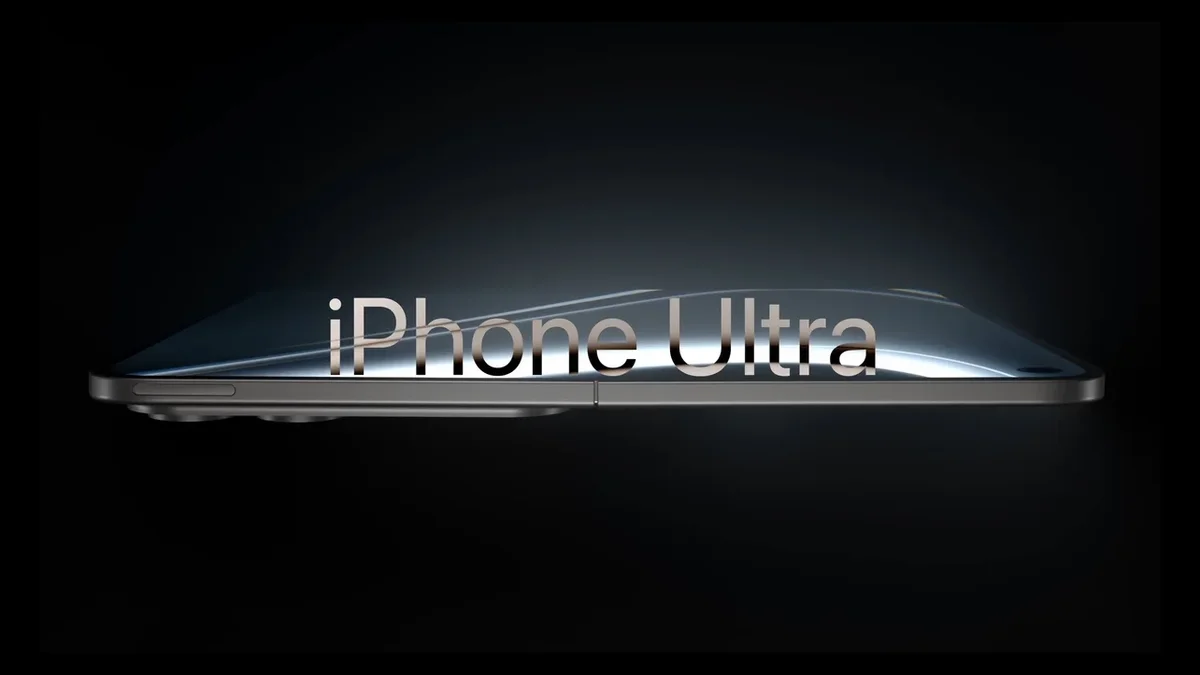
A Historic Moment: OpenAI Hires the Iconic iPhone Designer to Build Its First-Ever AI Device
A Historic Moment: OpenAI Hires the Iconic iPhone Designer to Build Its First-Ever AI Device
Publish Date: 2026-03-01 08:00:00
Source Domain: www.iowaparkleader.com
In a move that could reshape the future of consumer technology, OpenAI has reportedly brought on board the legendary designer behind the iPhone to develop its first dedicated AI device. The announcement signals a bold transition: artificial intelligence is no longer confined to apps and cloud services—it may soon take physical form.
For years, AI has lived primarily on screens. Now, the ambition appears far larger.
From Software to Physical Intelligence
OpenAI has defined much of the modern AI landscape through advanced language and multimodal systems. Yet the hiring of a world-renowned hardware designer suggests a strategic pivot toward building a tangible, consumer-facing device.
Industry analysts see this as a natural evolution.
“If AI is becoming foundational infrastructure, it makes sense to rethink the hardware that delivers it,” notes a technology strategist.
The implication is clear: instead of AI being embedded inside traditional smartphones and laptops, it could power a new category of product designed from the ground up around intelligent interaction.
Why the Designer Matters
The designer associated with the original iPhone revolution helped transform a utilitarian object into a cultural icon. Minimalism, intuitive interfaces, and seamless hardware-software integration defined that era.
Applying similar design principles to AI hardware could mean:
-
A device centered on natural conversation
-
Minimal reliance on traditional screens
-
Context-aware functionality
-
Seamless integration into daily life
Rather than being another gadget, the product could represent a shift in how humans interact with technology.
What Could an AI Device Look Like?
Speculation ranges from wearable assistants to ambient home devices that operate through voice and gesture rather than touchscreens. Some experts envision a pocket-sized companion capable of constant contextual awareness, acting as a proactive assistant rather than a reactive tool.
Unlike smartphones,…