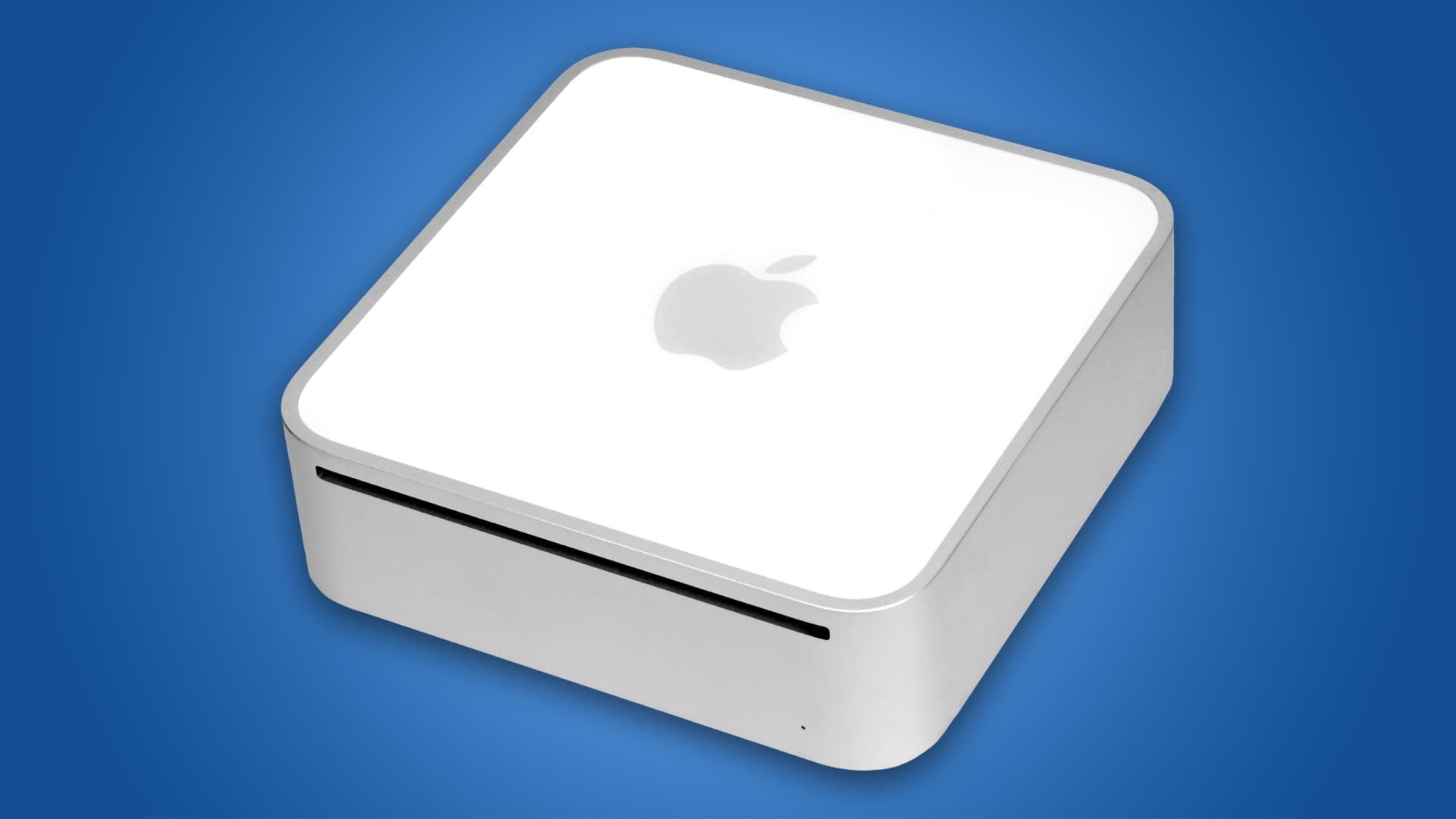
20 years ago, Apple launched a Mac that changed mini-PCs forever – and offered quadruple the performance of its predecessor
Publish Date: 2026-02-28 09:00:00
Source Domain: www.techradar.com
These days, the Mac mini is one of the best Macs money can buy, and arguably the best in terms of value for money. It packs tremendous power into its pint-sized frame, blowing away its rivals and rightfully taking its place as the best mini-PC on the market. If you’re after performance, features, and build quality at a fair price, it’s hard to beat.
A big part of that comes down to the Apple silicon chips that it offers. But the Mac mini wasn’t always outfitted with Apple’s own silicon. For almost 15 years, it was powered by Intel processors, and for a long time these were seen as the best option around – until Apple silicon came along, that is.
Today marks the 20th anniversary of the launch of the first-ever Mac mini powered by an Intel chip, and its introduction was almost as momentous as the unveiling of the first Apple silicon Mac mini in 2020. Here, we’re looking back at that first Intel Mac mini and the influence it had on the market and on Apple itself. It’s an impact that is hard to overstate.
You may like
The PowerPC era
(Image credit: Teddy GR on Unsplash)
Before the Intel Mac mini came along, Apple was running all of its computers on PowerPC chips. These were made by a consortium of companies – chiefly Apple, IBM, and Motorola – known as AIM, after their initials. The idea was to counter the dominance of Microsoft and Intel while giving the AIM companies an opportunity to work more closely together.
Apple originally started using PowerPC chips in 1994, but had grown weary of the platform’s limitations by the early 2000s. PowerPC processors ran hot and chugged energy at a rapid rate, which severely limited their potential in desktop computers. At the same time, both Motorola and IBM were backing out of the chip manufacturing business, leaving Apple in a tricky spot.
With Apple looking for an alternative, the company found its answer in the form of Intel and announced in 2005 that it would…