Mapping Technology Reveals the Brain’s Secret Protein Factories
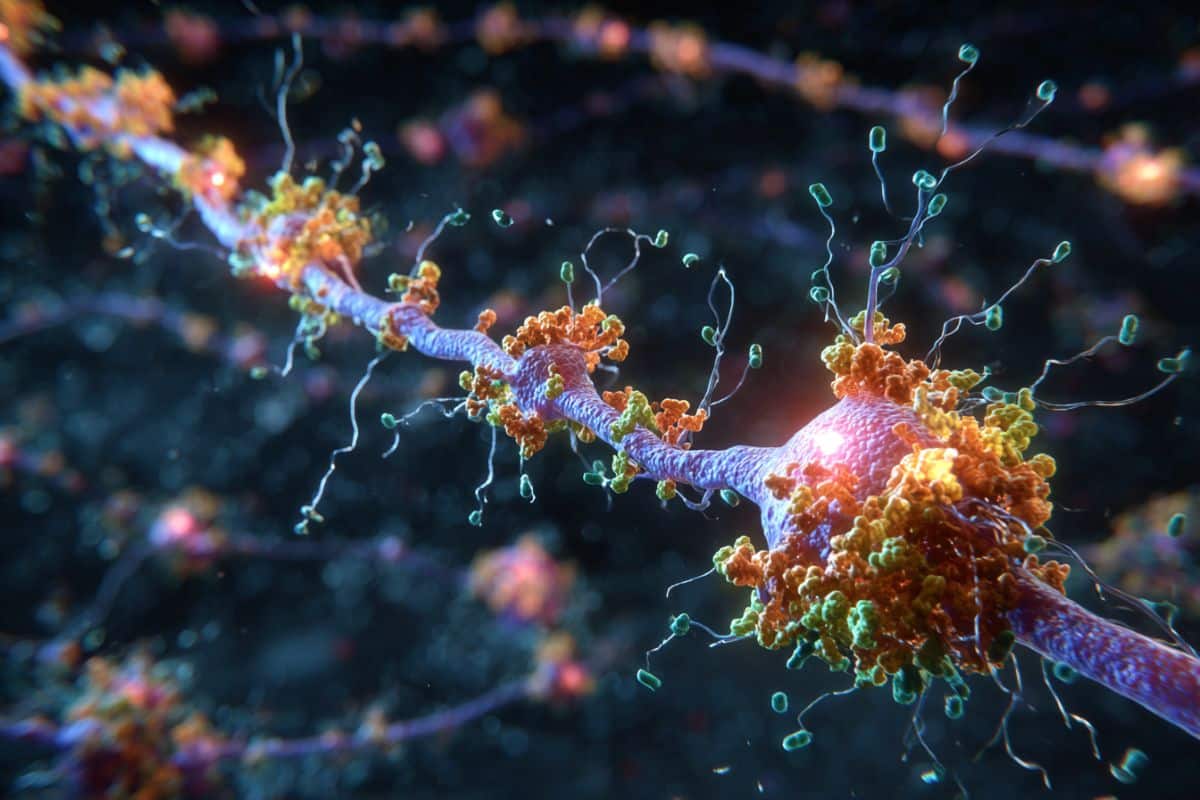
Mapping Technology Reveals the Brain’s Secret Protein Factories
https://neurosciencenews.com/ribo-stamp-brain-protein-mapping-30140/
Publish Date: 2026-02-18 12:22:00
Source Domain: neurosciencenews.com
Summary: For years, scientists have used mRNA levels as a “blueprint” to estimate which proteins the brain is making. However, reveals that this blueprint is often misleading. Using a revolutionary technology called Ribo-STAMP, researchers have created the first high-resolution map of actual protein production—known as translation—across 20,000 individual cells in the mouse hippocampus.
The findings show that brain cells don’t always follow their genetic instructions; some “memory neurons” churn out proteins at massive rates while others stay quiet, even when their mRNA levels are identical. This discovery offers a new way to investigate why translation goes wrong in neurological conditions like autism and Fragile X syndrome.
Key Facts
- The “Ribo-STAMP” Breakthrough: This technology fuses an editing enzyme to ribosomes (the cell’s protein-makers), allowing scientists to “tag” and track exactly which proteins are being manufactured in real-time.
- Translation Disconnect: mRNA levels are often a poor predictor of protein production in the brain, as neurons frequently store mRNA for later use rather than translating it immediately.
- Memory Neuron Disparity: While CA1 and CA3 pyramidal neurons look similar, CA3 neurons produce proteins at significantly higher rates, suggesting they play a more “high-energy” role in memory circuits.
- Isoform Influence: The study found that different versions of the same gene (isoforms) can drastically change how much protein is made, providing a potential link between genetic variations and brain disease.
- High vs. Low States: Individual neurons can exist in different “gears”—high-translation states for active communication and low-translation states for resting periods.
Source: UCSD
The brain’s ability to do everything from forming memories to coordinating movement relies on its cells producing the right proteins at the right time. But directly measuring this protein production, known as translation, across…