HackerOS is what a Linux enthusiast’s OS should be

HackerOS is what a Linux enthusiast’s OS should be
https://thenewstack.io/hackeros-is-what-a-linux-enthusiasts-os-should-be/
Publish Date: 2026-02-14 11:03:00
Source Domain: thenewstack.io
There are over 1,000 Linux distributions on the market. Throw a rock into the tech pond, and I guarantee that you’ll hit a Linux distribution. They are everywhere and range from the incredibly simple to the incredibly complex.
The majority of Linux distributions that are used tend to live in the middle ground, where you get a solid mix of user-friendliness and advanced features. There are also some distributions that, on the surface, sound like they would be geared toward a specific user base, but turn out to be pretty universal in nature.
Such is the case with HackerOS.
The name HackerOS elicits images of hoodie-wearing individuals in dark rooms, sitting in front of a bank of monitors, using Linux to wreak havoc on the world.
Thank you, Hollywood.
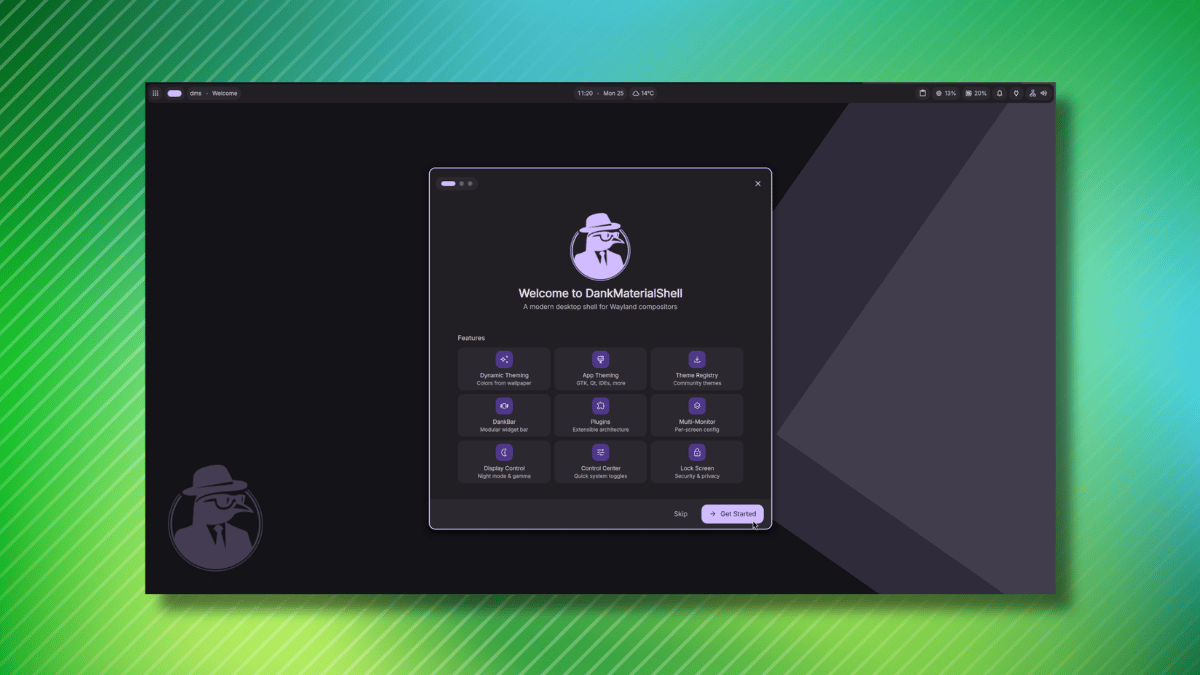
After installing HackerOS, you even see an image that is very similar to what I described (Figure 1).
Figure 1: It might look menacing, but it’s not.
What is HackerOS?
HackerOS is a Linux distribution that is based on Debian (Testing) and targets regular users, gamers, and cybersecurity enthusiasts.
That’s a pretty wide range of user types. Almost immediately after installation, I was able to confirm that HackerOS is a good fit for each of the above types.
HackerOS ships with the KDE Plasma desktop (version 6.5.4) powered by the Wayland graphics platform, kernel 6.18.5, and zsh (Z Shell). You can use the default Debian kernel, or you can install the XanMod or Liquorix kernel for improved performance. You also get preinstalled firmware for better hardware compatibility, as well as GOverlay and Steam for gaming.
There are also the usual apps (web browser, media players, text editor, etc.). What is missing is an office suite, an email app, and a few more of the usual suspects.
Okay, it took me a while of digging and testing to start to understand why this is called HackerOS.
First and foremost, you need to understand that there are different editions of HackerOS. I bet you can guess where this is…