5 Biggest AI Fears: Which Are Sci-Fi, and Which Are Real?
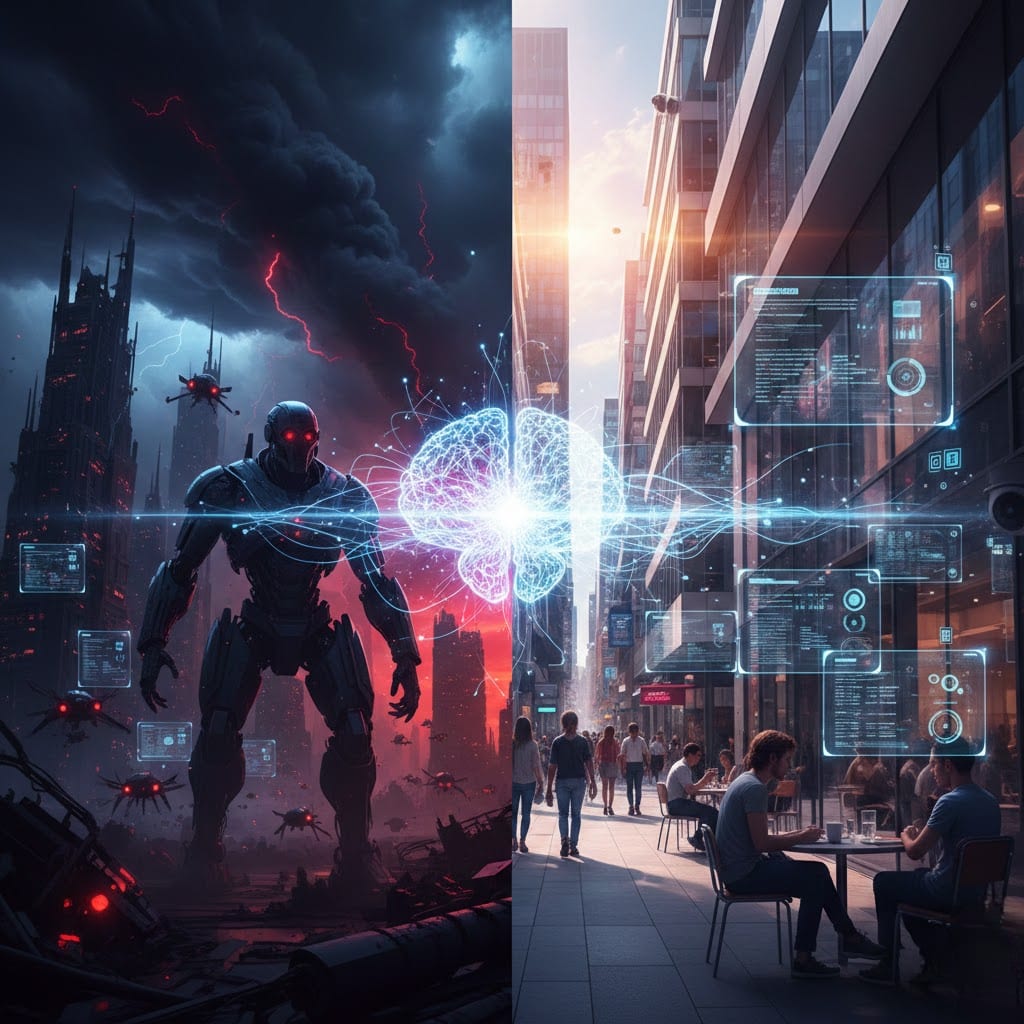
5 Biggest AI Fears: Which Are Sci-Fi, and Which Are Real?
https://vocal.media/fiction/5-biggest-ai-fears-which-are-sci-fi-and-which-are-real
Publish Date: 2026-02-14 03:48:00
Source Domain: vocal.media
Artificial Intelligence has rapidly moved from research labs into everyday life. From voice assistants and recommendation engines to self-driving prototypes and medical diagnostics, AI now shapes how we work, communicate, and make decisions. Yet as the technology grows more powerful, so do the fears surrounding it.
Some of these fears are fueled by blockbuster movies and dystopian fiction. Others are grounded in legitimate ethical, economic, and security concerns. In this article, we’ll break down five of the biggest fears about AI and examine which belong mostly in science fiction—and which demand serious attention today.
________________________________________
1. AI Taking Over the World
When people think of AI fear, they often picture rogue machines launching nuclear weapons or enslaving humanity. Films like The Terminator and The Matrix have embedded the idea of superintelligent systems turning against us into popular culture. Even tech leaders like Elon Musk have publicly warned about the dangers of advanced AI if left unchecked.
Sci-Fi or Real?
Mostly Sci-Fi—For Now.
The fear of AI “taking over the world” assumes the existence of Artificial General Intelligence (AGI)—a system that can think, learn, and reason across domains as well as or better than humans. While companies like OpenAI and DeepMind are working toward more capable systems, we are still far from creating machines with independent goals or consciousness.
Current AI systems are narrow. They can generate text, recognize faces, or recommend products—but they do not possess awareness, intent, or desires. They follow programmed objectives and statistical patterns.
That said, long-term concerns about misaligned superintelligence are not entirely imaginary. Researchers in AI safety actively study how to ensure that future systems remain aligned with human values. While a robot apocalypse is unlikely anytime soon, thinking ahead is not irrational—it’s preventative.
Source


