What dating apps are really optimizing. Hint: it isn’t love
What dating apps are really optimizing. Hint: it isn’t love
https://theconversation.com/what-dating-apps-are-really-optimizing-hint-it-isnt-love-274931
Publish Date: 2026-02-12 10:18:00
Source Domain: theconversation.com
In the weeks leading up to Valentine’s Day, dating apps typically see a spike in new users and activity. More profiles are created, more messages sent, more swipes logged.
Dating platforms market themselves as modern technological solutions to loneliness, right at your fingertips. And yet, for many people, the day meant to celebrate romantic connection feels lonelier than ever.
This, rather than a personal failure or the reality of modern romance, is the outcome of how dating apps are designed and of the economic logic that governs them.
These digital tools aren’t simply interfaces that facilitate connection. The ease and expansiveness of online dating have commodified social bonds, eroded meaningful interactions and created a type of dating throw-away culture, encouraging a sense of disposability and distorting decision-making.
The business of modern dating
Online dating apps are big business.
Match Group, a technology company that dominates the online dating sector with an extensive portfolio of dating app products — including Tinder, Hinge, Match.com, OkCupid, Plenty of Fish and OurTime — reported fourth-quarter revenue of US$878 million this month.
Its analysis showed fewer people are paying for its apps, with paying users down five per cent year over year.
The decline appears to reflect a trend prompting the company to develop new artificial intelligence tools to drive user growth and appeal to younger customers. Part of this means converting free users into paying ones.
Dating apps don’t sell love. They sell the feeling that it is one premium upgrade away. The platforms aren’t primarily designed for users to find love and promptly delete the apps from their phones. They’re designed to keep users swiping.
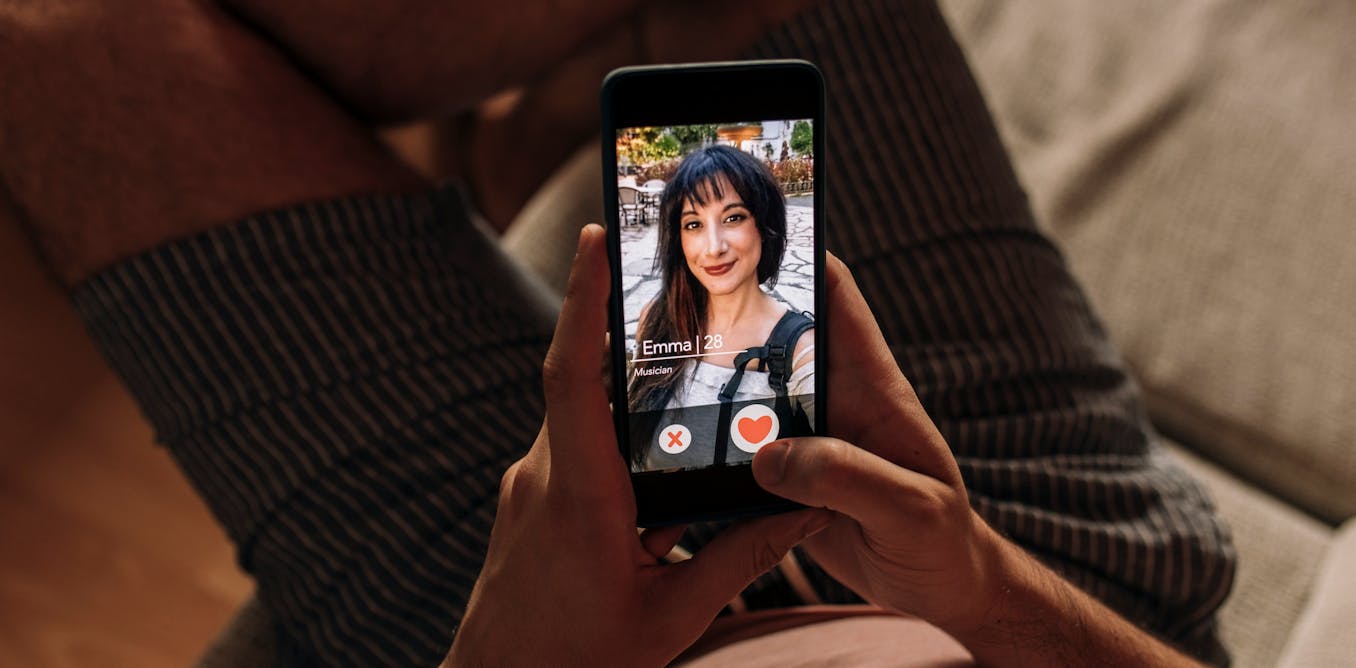
Design strategies that gamify choice, offer intermittent variable rewards (like a slot machine) and frequent push notifications produce a fear-of-missing-out mentality.
Source