Waydog Linux Revives Old PCs With Modern Look
Waydog Linux Revives Old PCs With Modern Look
https://www.findarticles.com/waydog-linux-revives-old-pcs-with-modern-look/
Publish Date: 2026-02-10 13:04:00
Source Domain: www.findarticles.com
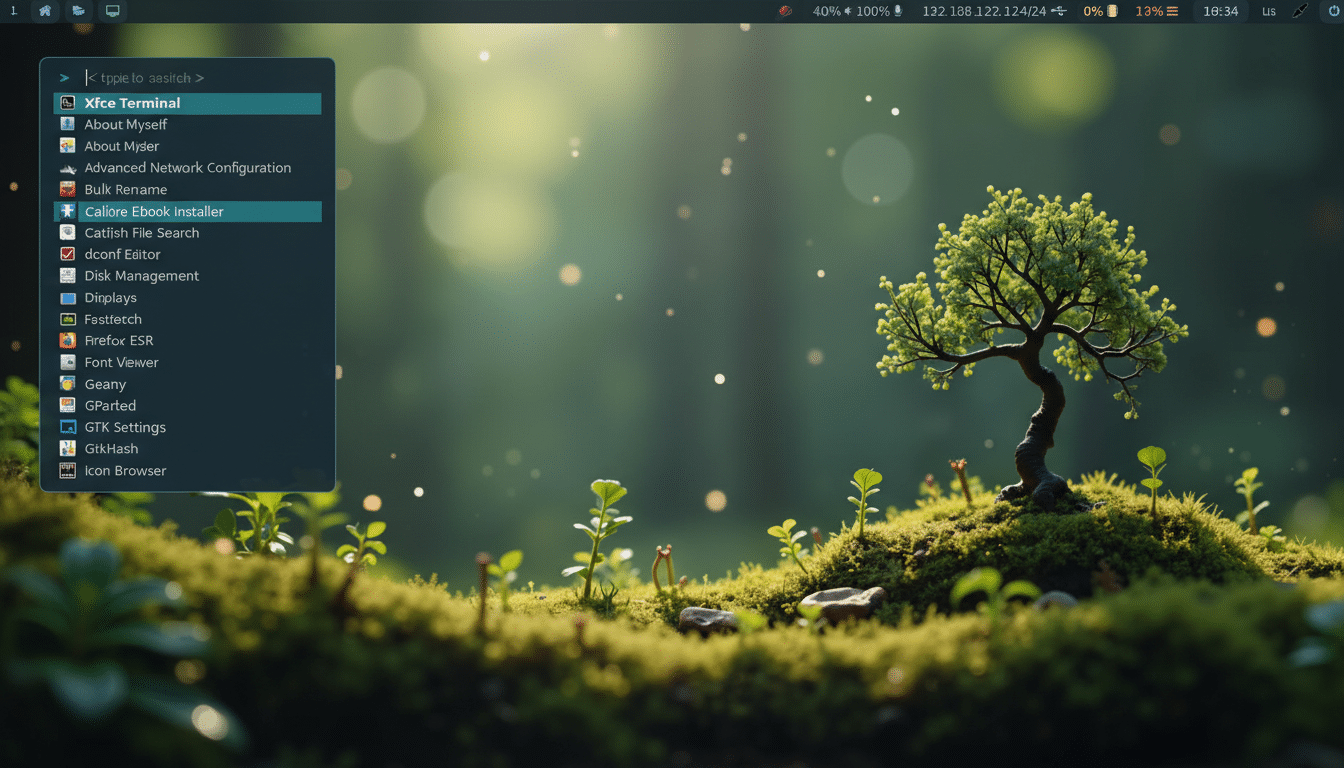
Lightweight Linux often means spartan visuals and dated UX. Waydog challenges that assumption. Built on Debian “Trixie” and powered by the Wayland display stack, this slim distribution boots fast on older laptops yet greets you with a clean, contemporary interface that feels at home beside far heavier desktops.
What Sets Waydog Apart From Other Lightweight Distros
Waydog offers two Wayland desktops out of the box: Labwc, a nimble stacking compositor inspired by Openbox, and Sway, a keyboard-driven tiling environment. They share a unified theme, icon set, and the Fuzzel launcher, which keeps the experience cohesive whether you prefer mouse-first navigation or a power-user workflow.
The Wayland-first stance matters. Major projects such as GNOME and KDE Plasma have shifted their focus to Wayland, with KDE Plasma 6 making it the default. By adopting Wayland from the start, Waydog reduces screen tearing typical of legacy X11 sessions, improves touchpad gestures, and taps into wlroots’ efficient rendering path—all while keeping memory overhead low.
Performance on Aging Hardware and Everyday Usability
For systems that predate Windows 10—think dual-core CPUs and 2–4GB of RAM—Waydog’s footprint is refreshingly small. Community benchmarks of Labwc and Sway sessions typically idle in the 400–600MB range depending on graphics drivers, leaving enough headroom to browse, stream audio, and edit documents without the grinding swap churn that sinks heavier desktops.
Because Waydog inherits Debian’s hardware breadth and APT package ecosystem, it benefits from mature drivers and a predictable update cadence. Intel integrated graphics from the Sandy Bridge and Ivy Bridge era usually fare well under Wayland. Older Nvidia cards can run via the open-source modesetting stack, though proprietary legacy drivers may limit options. On very old machines, enabling simple animations and avoiding heavyweight browsers can preserve responsiveness.
There’s also…