Why the DRM-Free Retailer’s Pivot Could Reshape PC Gaming Distribution
Why the DRM-Free Retailer’s Pivot Could Reshape PC Gaming Distribution
Publish Date: 2026-02-09 11:50:00
Source Domain: www.webpronews.com
For years, Linux gamers have occupied a peculiar position in the PC gaming ecosystem — technically capable of running thousands of titles through compatibility layers and workarounds, yet largely ignored by the storefronts that sell them. That dynamic shifted meaningfully this week when GOG, the DRM-free digital game retailer owned by CD Projekt, announced it would begin offering native Linux support for its platform and storefront.
The announcement, which arrived with little fanfare but enormous implications, signals a recognition by one of the industry’s most prominent digital retailers that Linux gaming has graduated from a niche curiosity to a commercially viable market segment. The move comes amid surging Linux adoption driven largely by Valve’s Steam Deck handheld console, which runs a Linux-based operating system, and growing dissatisfaction among certain PC gaming communities with the dominance of Microsoft’s Windows platform.
A Long-Overdue Acknowledgment of Linux’s Growing User Base
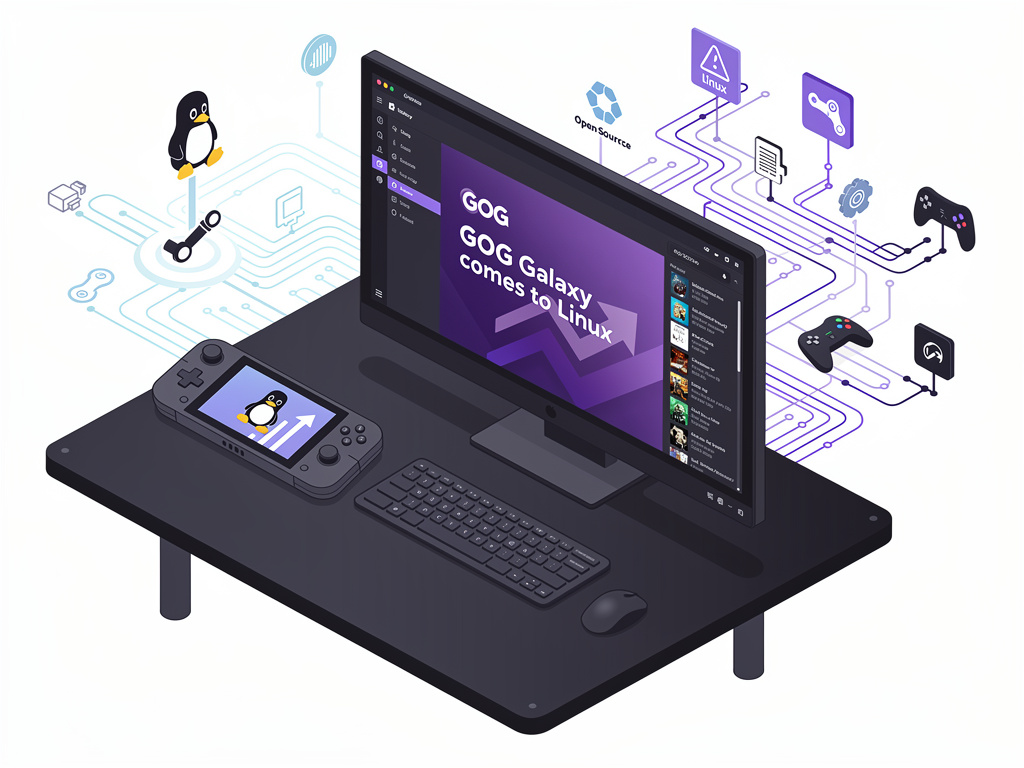
As reported by The Verge, GOG is rolling out native Linux support for its GOG Galaxy client, a development that Linux users have been requesting for the better part of a decade. The platform has long sold games that were compatible with Linux, but the actual GOG Galaxy application — the launcher and library management tool that ties the experience together — has never been available as a native Linux application. Users were forced to rely on community-built workarounds, running the Windows version of Galaxy through Wine or Lutris, or simply downloading games manually through GOG’s web interface without the benefits of the full client experience.
The gap between selling Linux-compatible games and actually supporting Linux as a platform has been a persistent source of frustration for the community. GOG’s store pages would list Linux versions of games, but the infrastructure to deliver and manage those games seamlessly on Linux was conspicuously…