As license plate readers expand in northern Illinois, privacy concerns and misuse claims grow – Shaw Local
Publish Date: 2026-02-07 06:00:00
Source Domain: www.shawlocal.com
Editor’s note: Today marks the second of a two-part series about automated license plate readers in northern Illinois. Thursday’s installment focused on cities’ successes. Today’s installment examines privacy concerns, national controversies, and ongoing debate.
When DeKalb County sheriff’s deputies found Holly and Gary Schmidt dead inside their Sycamore home Sept. 30, the victims of apparent blunt force trauma, deputies determined a car was missing from the scene, court records show.
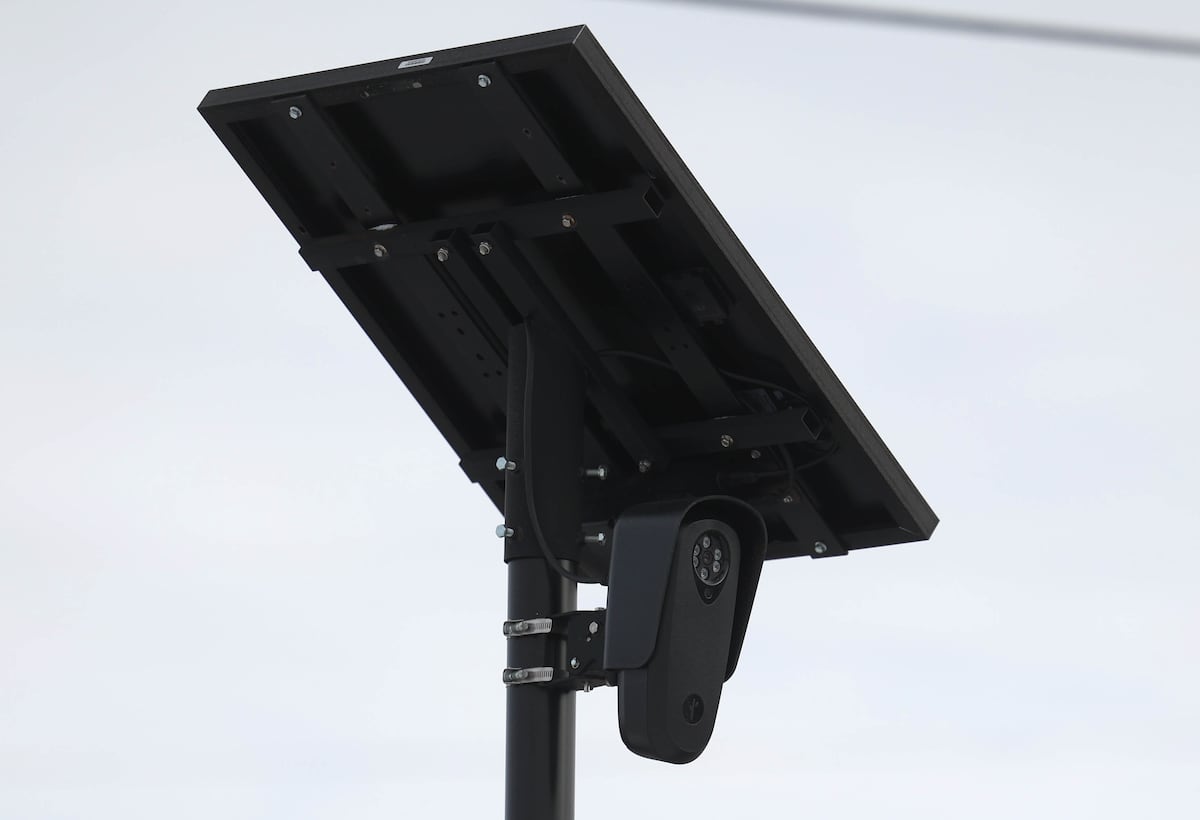
DeKalb County Sheriff Andy Sullivan said license plate readers – often called LPRS and sometimes ALPRS for automated license plate readers – were used during the multiagency search for the car.
“One of the registered vehicles was missing from the home, and that vehicle was located on an LPR in Rockford,” Sullivan said.
Kevin Schmidt, who police say later confessed to plotting the killings, was apprehended by the Winnebago County Sheriff’s Office within three hours of DeKalb County sheriff’s deputies first entering the Schmidt home. Without the license plate reader that located the vehicle driven by Kevin Schmidt, police would have relied on the car’s description and word of mouth to hopefully determine its whereabouts.
But even as cases like this highlight the technology’s effectiveness, they also have intensified concerns about how much data is collected, and who controls it.
While police across northern Illinois credit automated license plate readers such as Flock cameras with solving serious crimes, privacy advocates and civil liberties groups are raising the alarm about the technology’s potential for abuse and how it could create warrantless surveillance.
Illinois has passed laws restricting how the data can be used, but questions remain about whether those protections are sufficient.
Recent cases involving misuse of the data have intensified the debate over whether current safeguards are sufficient.
Concerns over misuse in Joliet
Not everyone is convinced…