Linux Kernel Pulls the Plug on IBM’s SMC-TCP Networking Code After Years of Neglect
Linux Kernel Pulls the Plug on IBM’s SMC-TCP Networking Code After Years of Neglect
Publish Date: 2026-02-06 16:23:00
Source Domain: www.webpronews.com
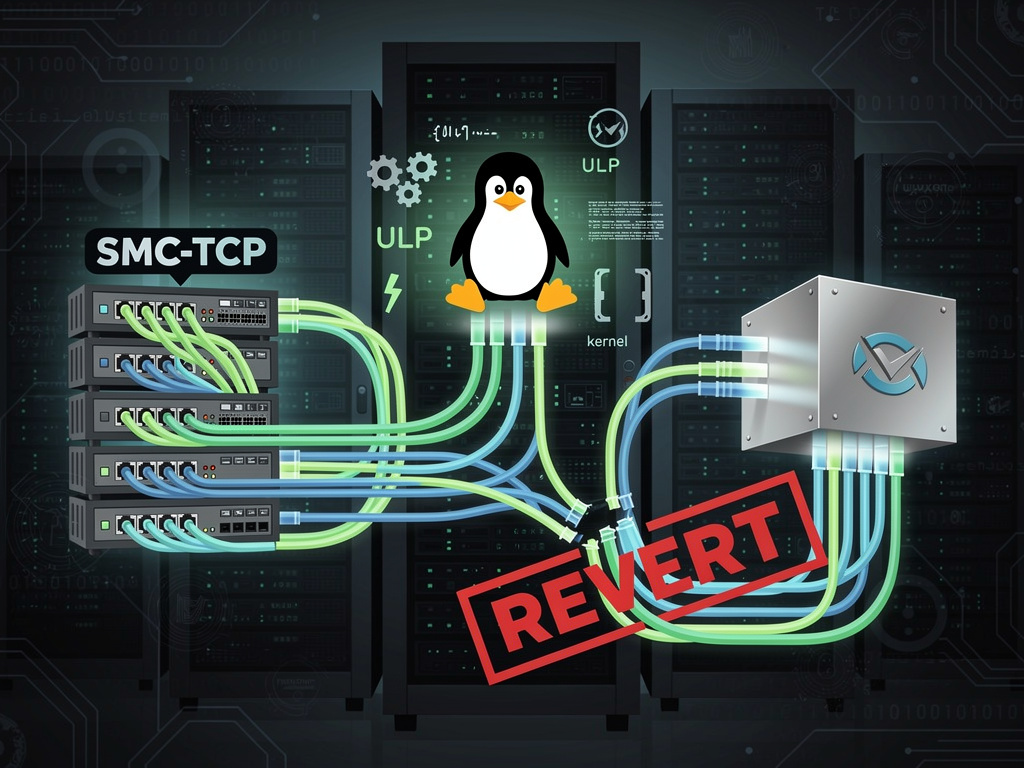
In a move that underscores the Linux kernel community’s uncompromising stance on code maintenance and quality, a significant chunk of IBM-originated networking infrastructure is being ripped out of the kernel. The SMC-TCP Upper Layer Protocol (ULP) functionality — once positioned as a transparent performance optimization for TCP connections — is now slated for removal, marking a rare instance of established kernel code being fully reverted due to sustained neglect and unresolved technical debt.
The decision, which has been building for months, reflects a broader tension in open-source development: what happens when a major corporation contributes complex subsystem code to a critical project and then fails to adequately maintain it? For Linux, the answer is increasingly clear — the code gets shown the door, regardless of the contributor’s stature.
What SMC-TCP Was Supposed to Do — and Why It Mattered
SMC, or Shared Memory Communications, is a protocol family developed by IBM that was designed to leverage high-speed Remote Direct Memory Access (RDMA) hardware to accelerate network communications. The SMC-TCP ULP component specifically aimed to provide a transparent acceleration layer for existing TCP applications. In theory, applications could benefit from RDMA-class performance without any code changes — the kernel’s Upper Layer Protocol mechanism would intercept TCP connections and, where possible, route them over SMC’s shared-memory transport instead.
The technology had particular relevance for IBM’s own hardware ecosystem, including its mainframe (System z) and Power platforms, where RDMA-capable interconnects are common. By integrating SMC-TCP as a ULP in the Linux kernel, IBM sought to make these performance benefits available broadly, positioning Linux as a first-class citizen on its enterprise hardware. The code was merged into the mainline kernel and has been shipping in stable releases for several years.